
💓 Absolute VO2 Max Calculator
Convert relative VO2 max to absolute VO2 max (L/min), estimate cardiac output, and VO2 normalized by body surface area.
| Fitness Level | Male (L/min) | Female (L/min) | Notes |
|---|---|---|---|
| Sedentary | 2.0 – 3.0 | 1.4 – 2.2 | Low physical activity |
| Below Average | 3.0 – 3.5 | 2.2 – 2.7 | Occasional exercise |
| Average | 3.5 – 4.2 | 2.7 – 3.2 | Regular moderate exercise |
| Good | 4.2 – 5.0 | 3.2 – 4.0 | Active recreational athlete |
| Excellent | 5.0 – 5.8 | 4.0 – 4.8 | Competitive athlete |
| Elite | 5.8 – 7.0 | 4.8 – 5.8 | High-level sport |
| World Class | > 7.0 | > 5.5 | Professional / Olympic |
| Relative VO2 Max | Body Weight (kg) | Absolute VO2 (L/min) | Est. Cardiac Output |
|---|---|---|---|
| 45 ml/kg/min | 60 kg | 2.70 L/min | ~16.9 L/min |
| 45 ml/kg/min | 75 kg | 3.38 L/min | ~21.1 L/min |
| 45 ml/kg/min | 90 kg | 4.05 L/min | ~25.3 L/min |
| 60 ml/kg/min | 60 kg | 3.60 L/min | ~22.5 L/min |
| 60 ml/kg/min | 75 kg | 4.50 L/min | ~28.1 L/min |
| 60 ml/kg/min | 90 kg | 5.40 L/min | ~33.8 L/min |
| 75 ml/kg/min | 70 kg | 5.25 L/min | ~32.8 L/min |
| 75 ml/kg/min | 85 kg | 6.38 L/min | ~39.8 L/min |
Understanding your VO2 max is one of the most valuable insights you can gain about your fitness. While VO2 max is often reported in mL/kg/min, which measure how much oxygen you can consume relative to your body weight, another important metric is absolute VO2 max, the total amount of oxygen your body can use in a minute, measured in liter of oxygen per minute (L/min). An absolute VO2 max calculator will allow you to determine your absolute VO2 max, giving you a much better understanding of your true aerobic capacity.
Relative VO2 max is a valuable measurement for comparing individuals of different weight or when using endurance-based activities like running. However, it can mask the true aerobic capacity of athletes with high weight. Absolute VO2 max values allow people to understand how much oxygen their bodies can use independent of their body weight. This is beneficial for sports like cycling, rowing, swimming, and skiing. Here, an individual with a higher absolute VO2 max will outperform another with a lower absolute VO2 max.
What Absolute VO2 Max Reveals About Your Physiology
VO2 max refer to the amount of oxygen your body can consume during intense exercise. Absolute VO2 max is the total amount of oxygen consumed in a minute without dividing by body weight. Consider a cyclist who weigh 70 kg with a relative VO2 max of 60 mL/kg/min. Their absolute VO2 max will be 4.2 L/min. For an athlete who weighs 90 kg with the same relative score, their absolute score will be 5.4 L/min. The value for each parameter relate to the physical abilities of the athlete’s heart, blood, and muscles. High absolute VO2 max scores are common among endurance athletes.

Endurance athletes can have high values of both relative and absolute VO2 max. The best rowers and cyclists can have absolute VO2 max scores that exceed 6.0, 7.0 L/min for men and 5.0 L/min for woman. These scores are gained through years of specific training. An absolute VO2 max calculator can help compare an individual’s score with those of the best athletes in there category.
High levels of VO2 max, relative or absolute, indicate lower risk of heart disease, diabetes, and improved longevity. While medical settings use relative VO2 max scores more, absolute scores provide additional context to an individual’s cardiovascular system, especially with higher body masses.
Another parameter that can normalize VO2 max scores is the bodys surface area (BSA). BSA has the advantage of providing better insight into an individual’s metabolic rate when compare with body weight. This ratio is referred to as the VO2 index and is beneficial for comparing athletes of different height and weights.
Men typically have higher measurements of absolute VO2 max compared with women. This is due to the higher muscle mass and heart size of men compared with women. However, women who train for endurance sports like rowing and swimming can have similar measurements. As individuals age, their absolute VO2 max scores declines. The rate of decline is roughly 1% per year after the age of 30. However, those who continue to train will find that decline to be more gradual.
Using the formula for the Fick equation, which calculates the amount of blood pumped by the heart per minute (cardiac output), an individual’s absolute VO2 max can provide insight into their heart’s function. Endurance athletes can have maximum cardiac outputs of 35, 40 L/min. More than twice the capacity of those without any cardiovascular training.
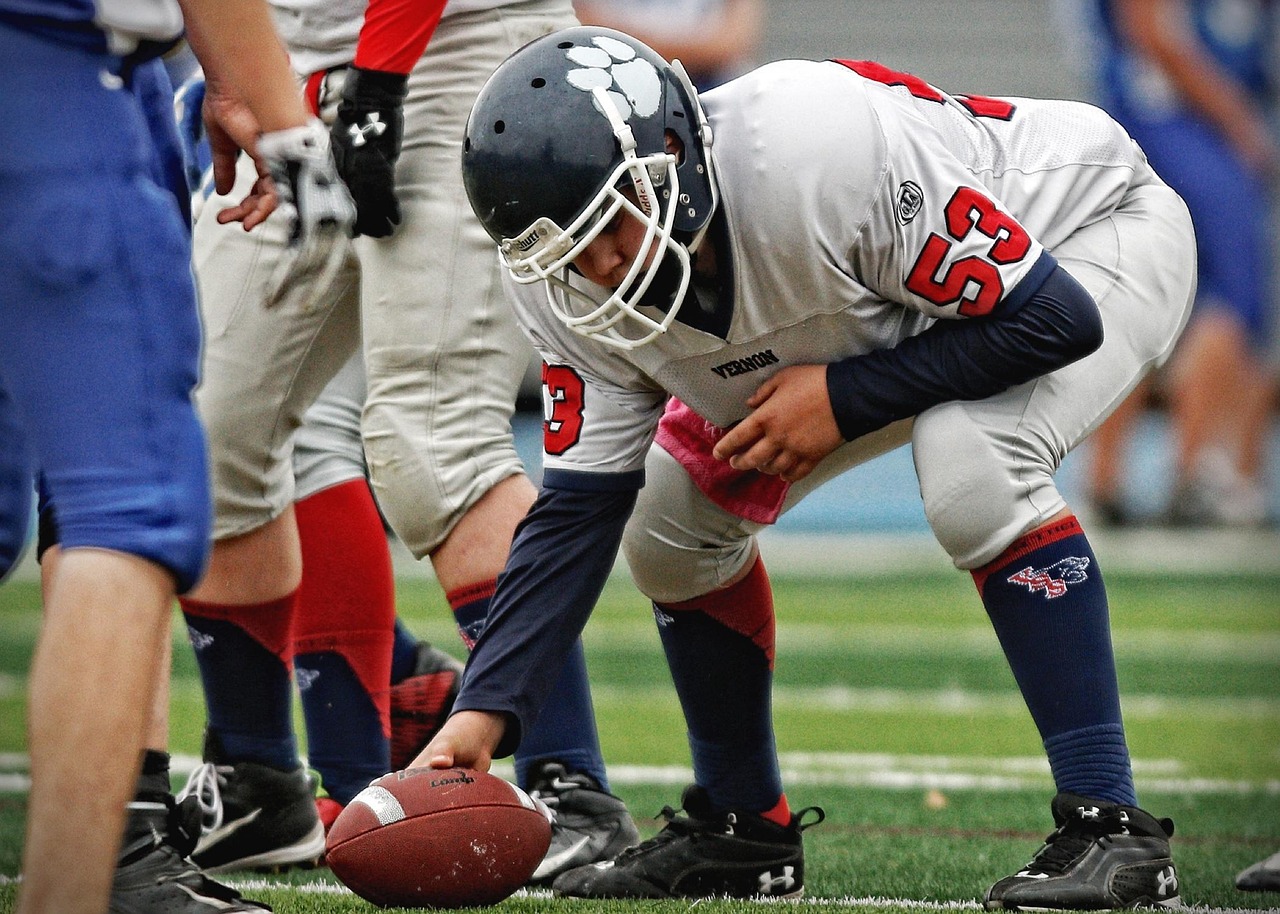
For individuals involved in strength sports with high amounts of muscle mass, the absolute VO2 max score is the more relevant of the two measurements. A strong athlete such as a heavyweight rower or football lineman might have a relatively low absolute VO2 max but a high absolute score.
While relative VO2 max and absolute VO2 max can provide a more complete picture of your cardiovascular fitness, each has its benefits and drawbacks. Those who have high scores for relative VO2 max with a low absolute score may be better at sports like running. For those who have high scores for absolute VO2 max but low relative scores, they might be better at sports like rowing but struggle with sports that do not provide support for the body weight.
Depending on an athlete’s goals, there are different training methods for increasing absolute or relative VO2 max. While both types of athletes can train with high-intensity interval training and endurance sports, athletes looking to increase their absolute VO2 max should also incorporate strength training into their training regimen. Additionally, there are various training methods depending on the athlete involved, the type of sport they compete in, and their current physical strength and weaknesses.

Perhaps the most important takeaway from this discussion of absolute VO2 max is that it represents your raw aerobic horsepower. While relative VO2 max allows for the comparison of aerobic capacities between individuals of different weights, absolute VO2 max reveals the true capacity of the cardiovascular system. This value will prove to be of more value to athletes in determine their VO2 max and comparing their performance with others in their sport.
Depending on an athlete’s goals and the type of athlete they are, discussing relative or absolute VO2 max will provide deeper insight into their physical capabilities. The training strategies mentioned above will help athletes train more effectively to meet their goals.
As the science behind cardiovascular systems continues to develop, the importance of tools that calculate or translate one type of measurement into another becomes more prominent. Understanding the two metrics provides a more complete understanding of aerobic fitness and what it truly mean for individuals of all ages and backgrounds.
