💪 Body Recomposition Macro Calculator
Calculate your personalized protein, carbohydrate & fat targets for simultaneous fat loss and muscle gain
⚡ Quick Presets
📋 Your Stats
✅ Your Body Recomposition Macro Plan
📊 Macro Ratios by Goal
P% / C% / F%
P% / C% / F%
P% / C% / F%
P% / C% / F%
🥩 Protein Targets by Body Weight
| Body Weight (lb) | Min Protein (g) | Optimal (g) | High (g) |
|---|---|---|---|
| 120 lb (54 kg) | 96g | 120–144g | 168g |
| 140 lb (64 kg) | 112g | 140–168g | 196g |
| 160 lb (73 kg) | 128g | 160–192g | 224g |
| 180 lb (82 kg) | 144g | 180–216g | 252g |
| 200 lb (91 kg) | 160g | 200–240g | 280g |
| 220 lb (100 kg) | 176g | 220–264g | 308g |
🔥 Calorie Targets by TDEE
| TDEE | Recomp Target | Lean Cut | Lean Bulk |
|---|---|---|---|
| 1,800 kcal | 1,700–1,800 | 1,550–1,650 | 1,900–2,000 |
| 2,000 kcal | 1,900–2,000 | 1,700–1,800 | 2,100–2,200 |
| 2,200 kcal | 2,100–2,200 | 1,900–2,000 | 2,300–2,400 |
| 2,500 kcal | 2,400–2,500 | 2,100–2,250 | 2,600–2,700 |
| 3,000 kcal | 2,850–3,000 | 2,550–2,700 | 3,100–3,250 |
📐 Macro Calorie Conversion Reference
| Macronutrient | Calories per Gram | 100g = Calories | Role in Recomp |
|---|---|---|---|
| Protein | 4 kcal/g | 400 kcal | Muscle preservation & growth |
| Carbohydrates | 4 kcal/g | 400 kcal | Training fuel & recovery |
| Dietary Fat | 9 kcal/g | 900 kcal | Hormones & micronutrient absorption |
| Alcohol | 7 kcal/g | 700 kcal | No nutritional role in recomp |
🏋 Activity Multiplier Reference
| Activity Level | Multiplier | Weekly Exercise | Example |
|---|---|---|---|
| Sedentary | 1.20 | None | Desk job, minimal walking |
| Lightly Active | 1.375 | 1–3 days | Light walks, casual gym |
| Moderately Active | 1.55 | 3–5 days | Regular gym-goer |
| Very Active | 1.725 | 6–7 days | Daily training |
| Extremely Active | 1.90 | 2x/day | Competitive athlete |
Body recomposition is the process of losing body fat and gaining muscle mass at the same time. Body recomposition is possible due to the bodys ability to utilize its stored body fat for energy while utilizing protein from the diet to build muscle. Body recomposition is thought to be the most effective with individuals who is just learning about strength training and those with higher percentage of body fat.
In order to achieve body recomposition, an individual must manage there caloric and macronutrient intake. An individual must manage the caloric intake so that it isnt too low for the body to utilize stored fat for energy, but too high than the body begins to gain fat mass instead of muscle mass. The most important macronutrient to consume for body recomposition is protein.
How to Lose Fat and Gain Muscle
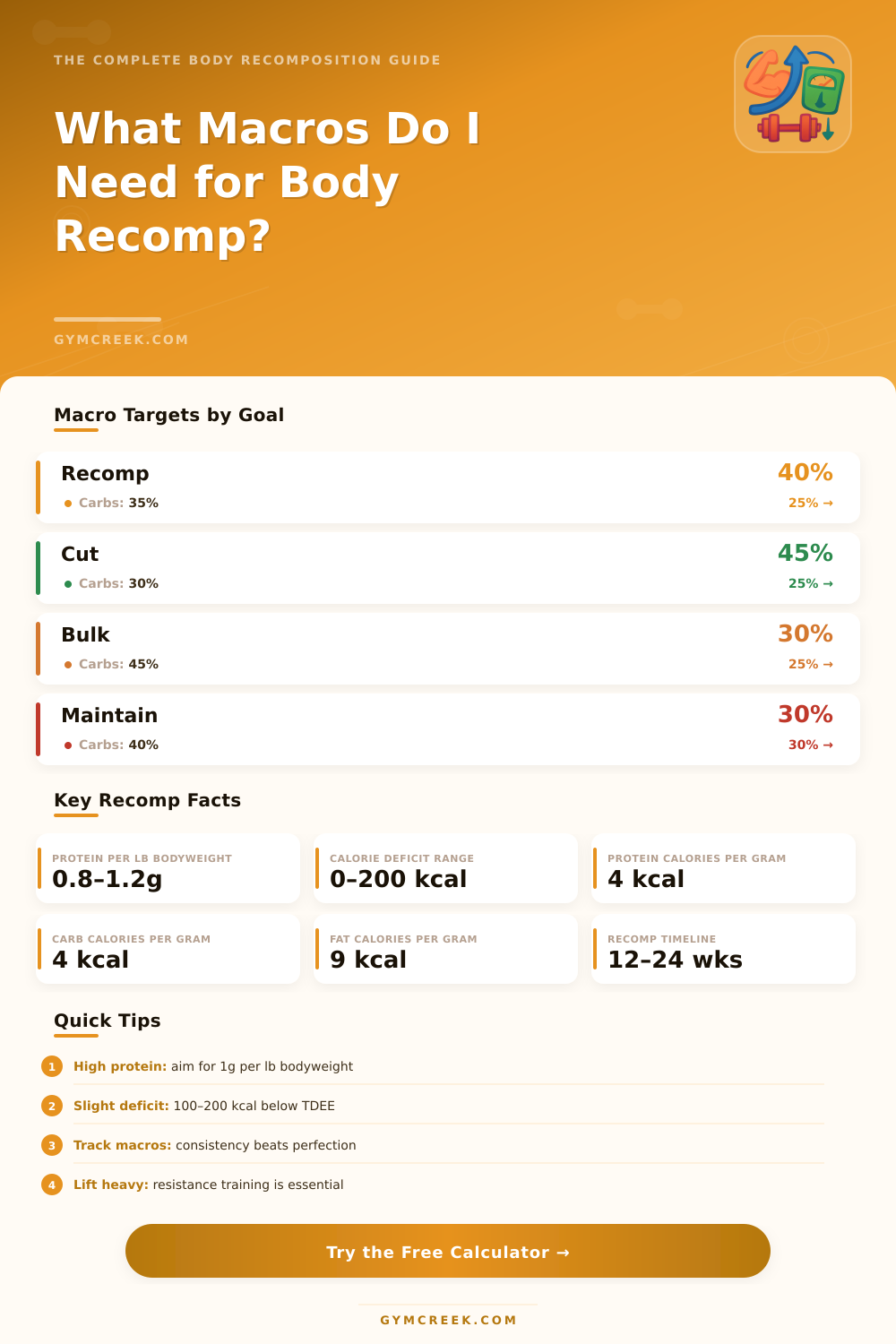
Protein is necessary to provide the body with the materials to build muscle, and you should consume it in high amounts of between 0.8 and 1.2 grams of protein per pound of body weight. Protein also plays an important role in making an individual feel fully after consuming food, ensuring that they adhere to their diet. While protein is the most important macronutrient, carbohydrates and fats is still necessary to consume for the body.
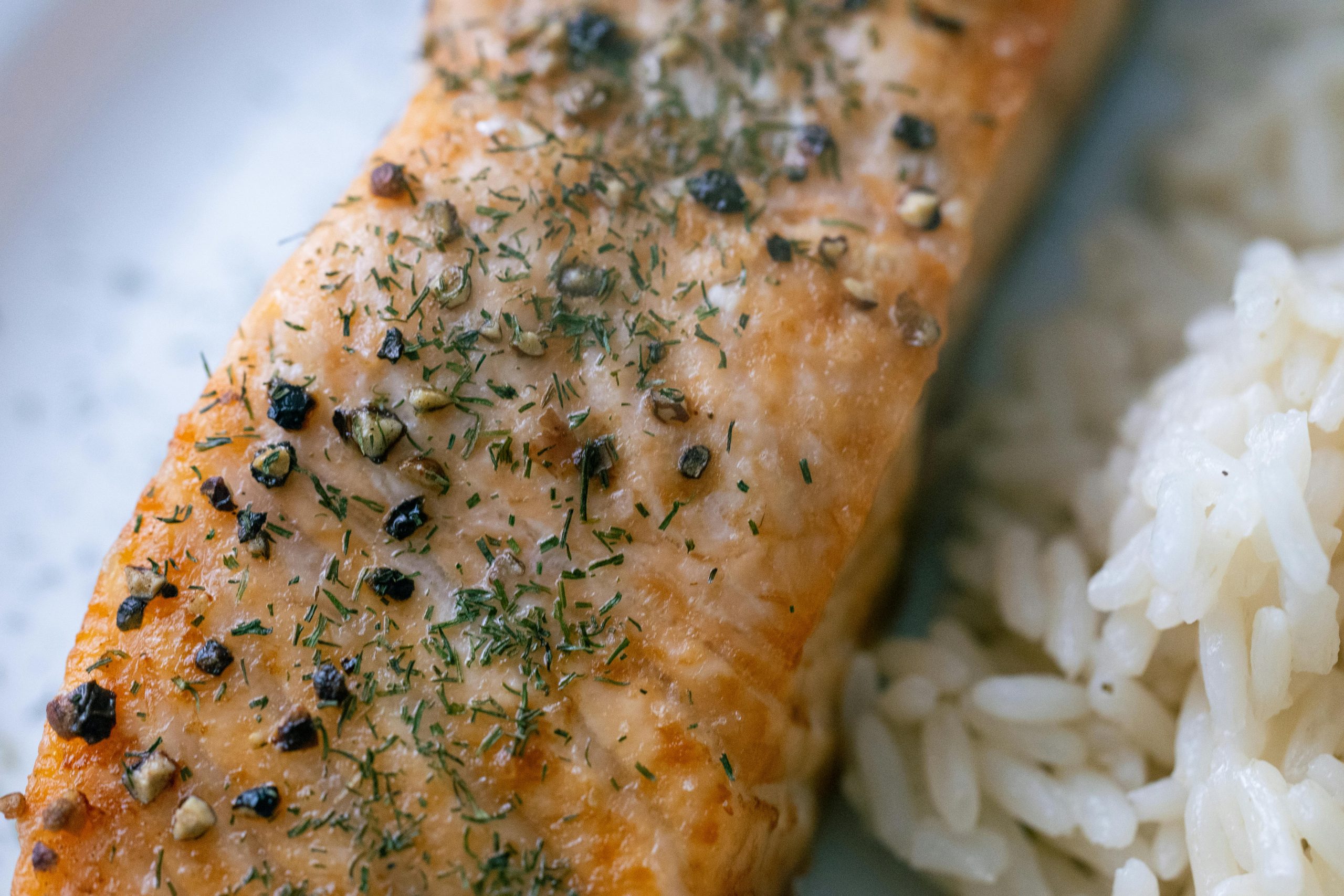
Carbohydrates provide the energy for an individual to perform there workouts, while fats are necessary for the body to perform other important functions related to health. In order to determine the amount of food that an individual should consume for body recomposition, there are a few calculation that can be made. The first calculation is of the Basal Metabolic Rate (BMR) of the individual.
The Mifflin-St Jeor equation calculates the BMR, which uses an individuals age, gender, weight, and height. The calculation uses the gender of an individual due to the difference in average muscle mass between men and women. Following the calculation of the BMR, you can multiply the result by an activity multiplier to determine the Total Daily Energy Expenditure (TDEE) for that individual.
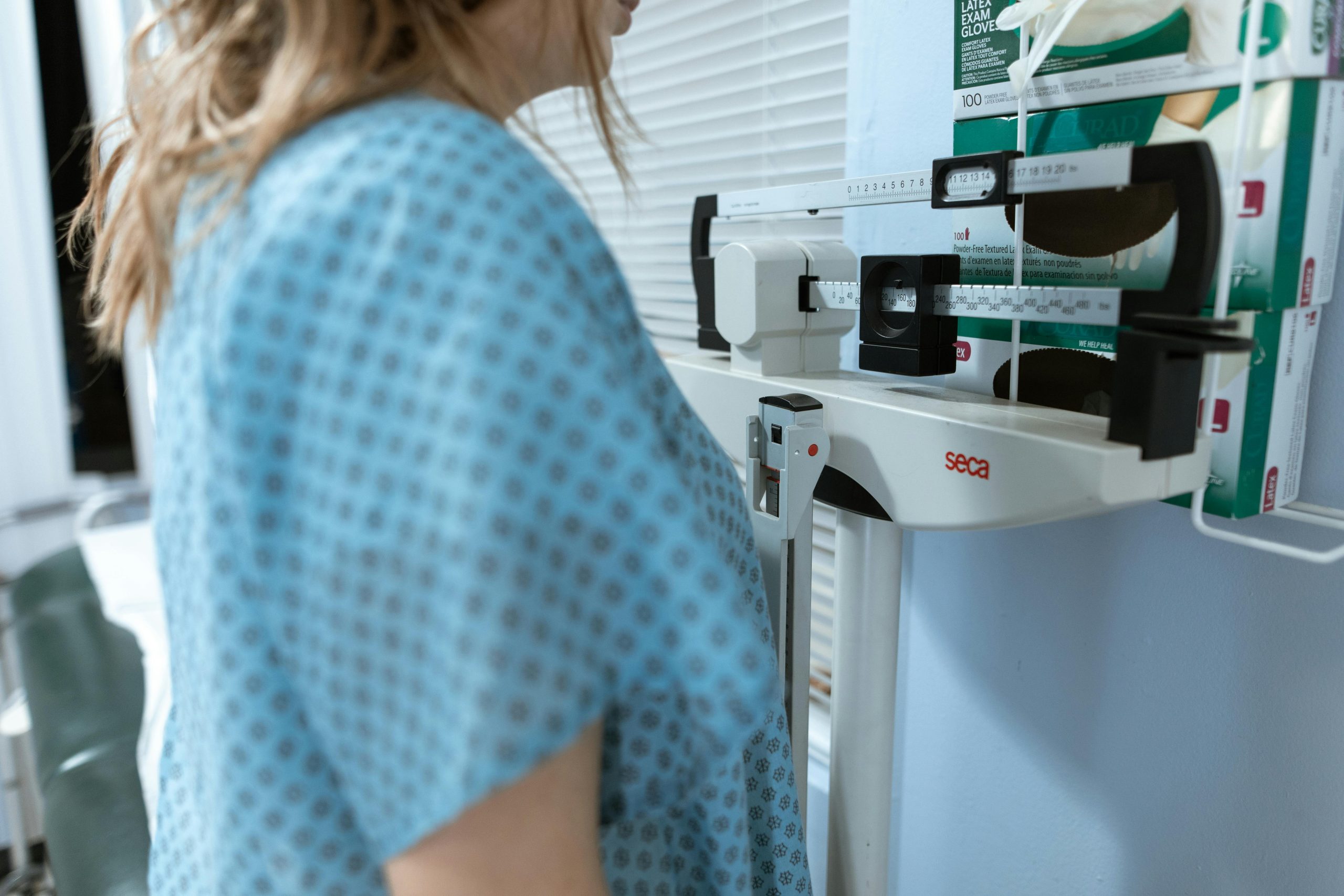
The TDEE is the total amount of calories that an individual burns each day from there physical activity. An activity multiplier is applied to the BMR that takes into account the amount of physical activity that an individual perform each week. The activity level of the individual should be represented in this multiplier, as an inaccurate TDEE will result in inaccurate caloric intake requirements from the body for body recomposition.
For body recomposition, the calorie intake that an individual should consume is between the TDEE and approximately 100-200 calories below the TDEE. This small caloric deficit will result in fat loss while still allowing the body to preserve it’s muscle mass. Macronutrients contain different amounts of calories per gram.
Protein and carbohydrates contain 4 calories per gram, while fats contains 9 calories per gram. The fat content is more energy-dense than protein or carbohydrates. An individual can adjust the ratio of protein, carbohydrates, and fats that the body consumes according to there body composition goals.
For body recomposition, person should consume protein as a higher percentage of total calories then protein for fat loss. For fat loss, the carbohydrate intake should be decreased in relation to body recomposition goals. In order to track the body composition change for body recomposition, there are a variety of measurements that should be taken.
Most scales will display the total weight of the body. Because muscle is more denser than fat, an individual could lose fat and gain muscle at the same rate, but their weight would remain the same. Therefore, other measurements of the body composition changes should also be tracked.
These can include progress photos, waist measurements, and the way that the individuals clothes fits. Relying solely on the scale to measure body composition changes will likely lead to incorrect belief regarding the effectiveness of the body recomposition plan. Finally, the body should be consistent in its protein and strength training intake, as the body needs to be consistent in these areas to gain muscle and burn fat.