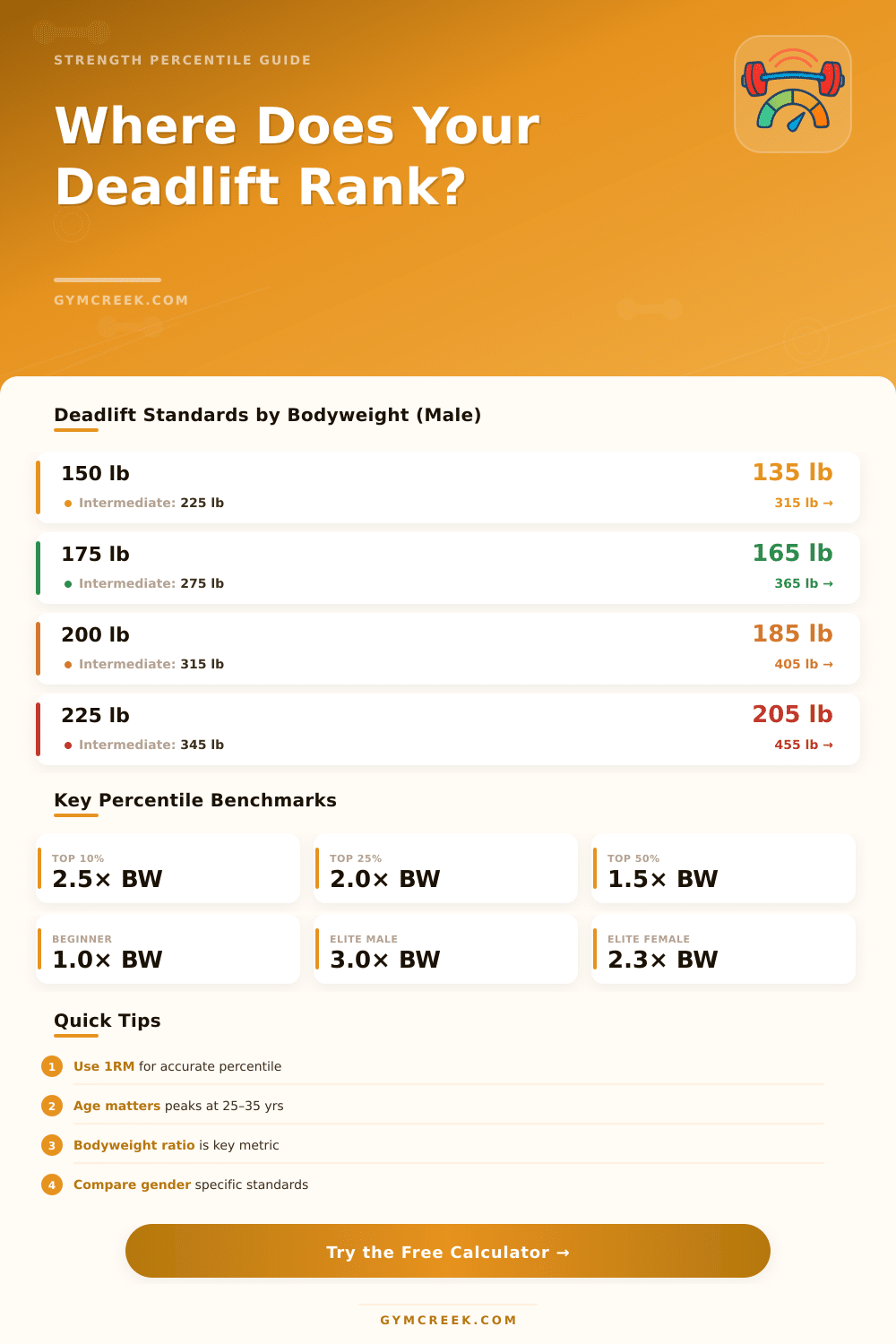
🏋 Deadlift Percentile Calculator
Find out how your deadlift compares to lifters of your age, gender & bodyweight
| Bodyweight | Untrained | Beginner | Intermediate | Advanced | Elite |
|---|---|---|---|---|---|
| 130 lb (59 kg) | 95 lb | 155 lb | 215 lb | 290 lb | 360 lb |
| 150 lb (68 kg) | 110 lb | 180 lb | 245 lb | 325 lb | 405 lb |
| 175 lb (79 kg) | 125 lb | 205 lb | 275 lb | 370 lb | 455 lb |
| 200 lb (91 kg) | 140 lb | 225 lb | 305 lb | 405 lb | 500 lb |
| 220 lb (100 kg) | 150 lb | 245 lb | 325 lb | 430 lb | 535 lb |
| 242 lb (110 kg) | 160 lb | 260 lb | 345 lb | 455 lb | 565 lb |
| 275 lb (125 kg) | 170 lb | 275 lb | 365 lb | 480 lb | 595 lb |
| Bodyweight | Untrained | Beginner | Intermediate | Advanced | Elite |
|---|---|---|---|---|---|
| 100 lb (45 kg) | 55 lb | 90 lb | 130 lb | 175 lb | 215 lb |
| 120 lb (54 kg) | 65 lb | 110 lb | 150 lb | 200 lb | 250 lb |
| 140 lb (64 kg) | 75 lb | 125 lb | 170 lb | 225 lb | 280 lb |
| 160 lb (73 kg) | 85 lb | 140 lb | 190 lb | 250 lb | 310 lb |
| 180 lb (82 kg) | 95 lb | 155 lb | 205 lb | 270 lb | 335 lb |
| 200 lb (91 kg) | 100 lb | 165 lb | 220 lb | 285 lb | 355 lb |
| Level | Male Ratio | Female Ratio | Approx. Percentile |
|---|---|---|---|
| Untrained | 0.7× BW | 0.5× BW | Bottom 20% |
| Beginner | 1.0× BW | 0.75× BW | 20–40th |
| Novice | 1.25× BW | 0.95× BW | 40–55th |
| Intermediate | 1.5× BW | 1.15× BW | 55–70th |
| Advanced | 2.0× BW | 1.5× BW | 70–90th |
| Elite | 2.5× BW | 1.9× BW | 90–97th |
| World Class | 3.0+ × BW | 2.3+ × BW | Top 1% |
| Age Range | Strength Factor | Notes |
|---|---|---|
| 13–17 | 0.70× | Still developing; lower expectations |
| 18–24 | 0.90× | Approaching peak, still gaining |
| 25–35 | 1.00× | Prime strength years |
| 36–45 | 0.97× | Minimal decline with training |
| 46–55 | 0.91× | Moderate decline; recovery slower |
| 56–65 | 0.83× | Consistent training mitigates loss |
| 66+ | 0.73× | Significant but manageable decline |
| Variation | Typical vs Conventional | Primary Muscles |
|---|---|---|
| Conventional | Baseline (1.0×) | Posterior chain, erectors |
| Sumo | ~5% higher 1RM | Quads, adductors, glutes |
| Trap Bar | ~8–10% higher 1RM | Quads, glutes, less spinal load |
| Romanian (RDL) | ~70–80% of conventional | Hamstrings, glutes |
The deadlift is one of the most fundamental measure of strength. Few exercises require as many muscle group to perform the movement. Compared to other strength exercises, the deadlift demonstrates a lot about an individual’s total strength. That comparison to others is what allows tool like a deadlift percentile calculator to show lifter how strong they are relative to others of a similar age, gender, and bodyweight.
Understanding where an individual stand in terms of strength provides a lot of benefit. It can help an individual to understand there goal in terms of lift, to avoid overtraining or undertraining their muscle, and to provide motivation when they begin to experience a plateau in their deadlift strength. Whether an individual is a teenager just beginning there strength journey, a busy professional in their thirties, or a masters athlete well into their fifties, understanding where their deadlift strength fall in terms of percentile can help them understand their expectations for training.

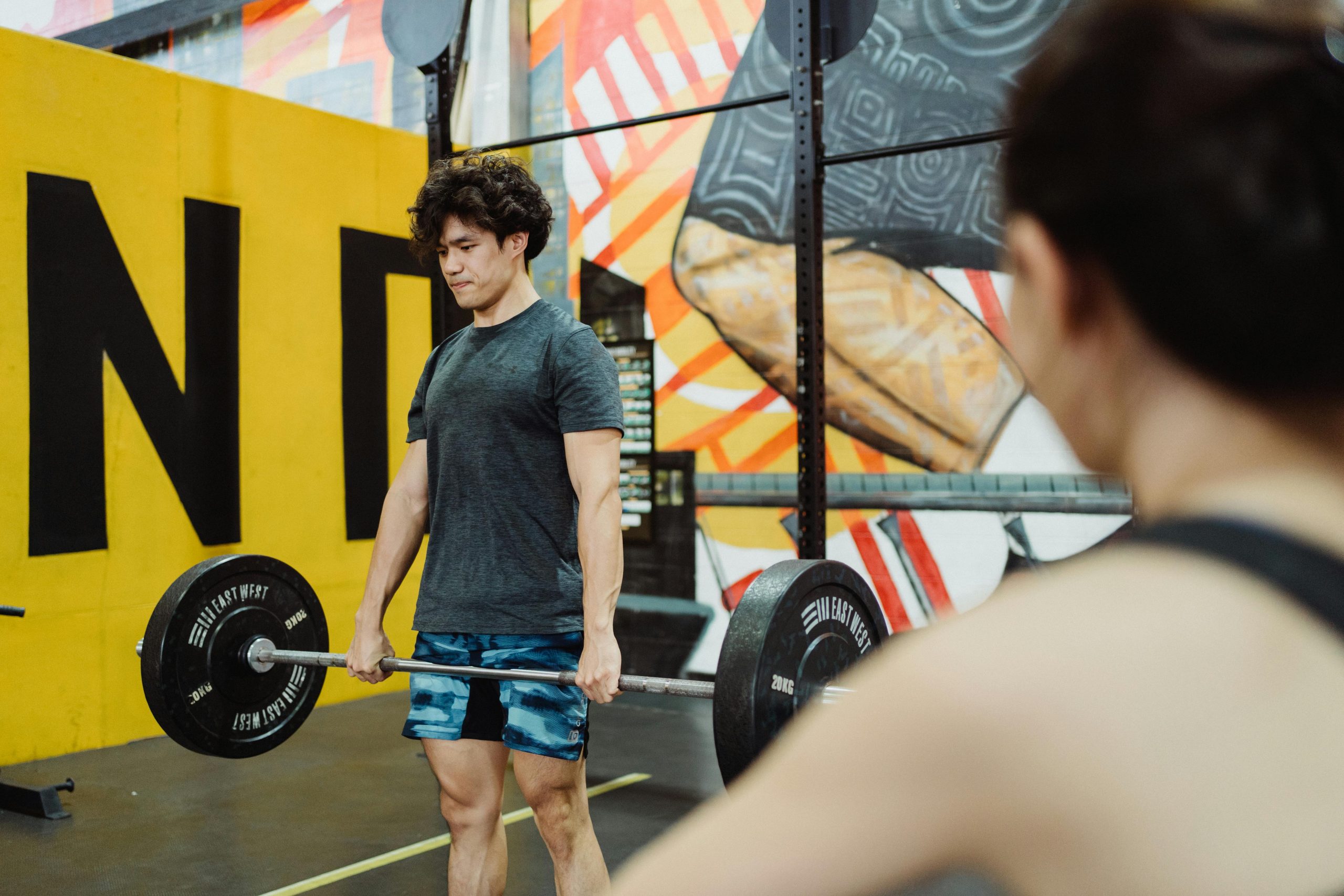
What Deadlift Percentiles Actually Mean
Percentile rankings for deadlift strength are very similar to test of academic knowledge. Should an individual score in the 50th percentile in their tests, for instance, they would score higher than 50% of other individual taking the test, but lower than the other 50%. Should their percentile be 75, they score higher than 75% of other individuals who took the same test. Percentiles of 90 and 95 mean an individual is among some of the strongest deadlifters in the world.
One of the main factor that is considered in percentiles of deadlift strength is the individual’s bodyweight. A man who can deadlift 405 pounds who weighs 150 pounds is significantly stronger relative to his bodyweight than a man who deadlift the same amount but weighs 250 pounds. In addition to bodyweight, training age is also considered. A 25-year-old who has been training for three year will outperform a novice lifter of the same age and size.
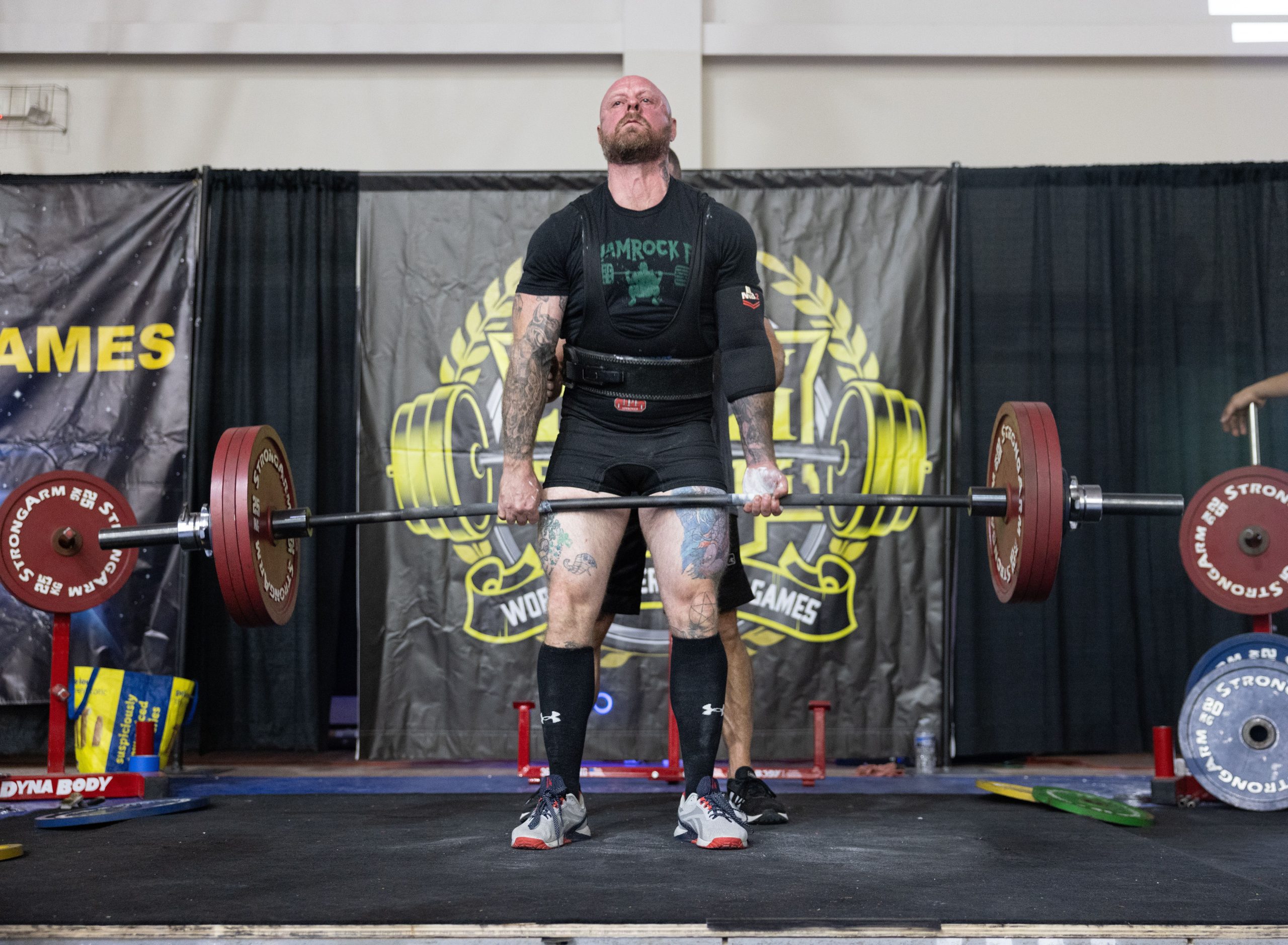
Age is considered in percentiles in that the peak of natural strength begins around the mid-twenties and reach its peak around the mid-thirties. After that age an individual will begin to naturally decline in their strength. A 55-year-old man who deadlifts 315 pounds will always be compared to others of the same age rather than comparing him to a college student.
Percentiles will reveal an individual’s deadlift strength relative to the general population of lifters. A 405 pound deadlift is impressive for a gym-goer but only place an individual in the 70th to 85th percentile relative to others of the same body weight. To reach the 90th percentile an individual would typically require years of dedicated training to reach that percentile strength.
Knowing the percentile of one’s deadlift strength provides a lot of benefit in terms of motivation. For instance, an individual who has spent years lifting weights may deadlift 50 pounds more than they used to. This increase in strength might be visible in their percentile rankings but they will not feel like they have make any real strength gains. The percentile provides a tool for understanding this.
Relative to other exercises in the world of strength training, a woman will typically find that she score higher percentage in relation to her deadlift strength compared to a man who can deadlift the same amount. This is due to the fact that fewer women has trained in the gym with heavy barbells. Thus a woman who lifts 225 pounds will score higher percentages than a man who lifts the same amount.
Percentiles of deadlift strength are only one factor in assessing the total strength of an individual. An individual can have elite strength in the deadlift but have average strength in other exercises such as squat or bench press strength. Other ways to determine total strength may include bodyweight strength, overall endurance, and cardiovascular strength.
Another of the benefit of percentiles for strength exercises is in understanding the experience level of an individual. A novice strength lift can go from the 20th percentile of deadlift strength to the 60th percentile in just two years. However, it will be more difficult for an individual who has been strong for five or six year to make that same percentile jump.
Perhaps the greatest benefit of knowing where one stands in the world of deadlift strength relative to others is in setting goal. Instead of stating goals like “I want to be able to deadlift 500 pounds,” an individual can more specifically state that, for instance, a 28-year-old who can deadlift at the 45th percentile of strength want to reach the 70th percentile in 18 months. This allows for the individual to create a goal that is not only specific but also adjustable according to their body weight and age.
Other aspect of an individual’s strength that can be considered when comparing deadlift strength include their recovery from intense workouts. An individual in the midst of rehabilitating an injury to their back might celebrate their ability to deadlift 225 pounds and score around the 35th percentile of strength. The context around their strength matters, and the tool can provide data for that context but it is up to the individual to determine its value.
Percentile rankings and calculations are based upon massive amount of data from powerlifting federations, weightlifting gyms, academic research studies, and other publication of strength data. While not perfect, the calculations of percentile strength for deadlifting today are significantly more accurate than those of previous generation who used general standards for strength.
The percentile ranking of an individual’s deadlift strength is just one of the many data point that can help an individual understand their health and strength. Use this data to gain motivation, to make informed decision about one’s training program and recovery, and to celebrate the gains that are being made. However, never allow this data to overshadow the main reason that most individuals begin to train and lift weights in the first place.
As shown in the calculator above, knowing the percentile of one’s deadlift strength takes only a few moment. However, the knowledge of that percentile can have last for years in the training career of an individual. Thus, understanding one’s percentile strength can help an individual to not just train but to train smarter; with a focus on their overall health and strength yet with perspective on what their strength truly mean to their total capability.