
When you think of kettlebell training, you’re likely to imagine men swinging large chunks of metal around in their garages. That stereotype create a psychological barrier, not a physical one, that causes many woman to avoid kettlebell training. In truth, however, the kettlebell are a powerful tool for developing functional strength.
It allow you to tone-up without gaining a lot of bulk in your muscles. It combines both resistance and cardio into a package that few other tools, including traditional dumbbells, can match. The equipment is not for athletes only.
All you need is the proper weight and the proper mindset. I know a lot of woman that are fearful of lifting too much. They’re afraid that they’ll swing wrong and injure their back.
Getting Started With Kettlebell Training
Benefits of Kettlebell Training for Women
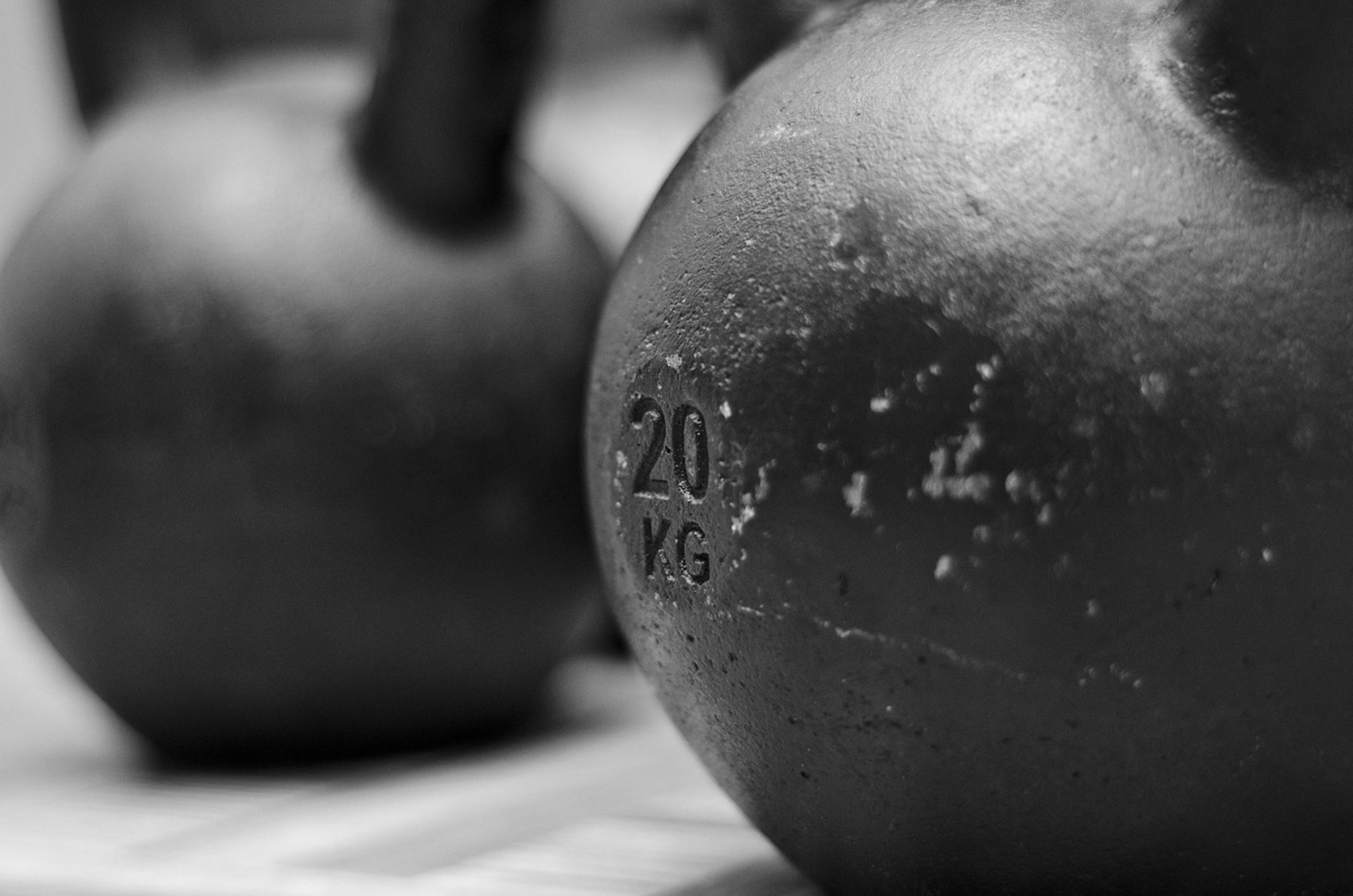
While that’s a valid concern, it’s not valid for kettlebells. The key to success with kettlebells is learning how to perform hip hinge first. First, get the technique down.
Then add load and momentum. This way, the kettlebell work for you instead of against you. The first practical tip: Which weight should I choose?
Choosing the Right Kettlebell Weight
This is one area where many newbies gets tripped up. Women often begin with 10-15 pounds (this isn’t a hard-fast rule; it’s a general starting point). Newbies who haven’t done any weight training before should use the lightest kettlebell possible and focus on learning proper form.
More experienced gym-goers may find 15-18 pounds feels better. The key here: if you go too light, your arms will do all the swinging, negating the point of this workout. You want to feel the burn in your hamstrings and glutes, not your forearms.
Mastering the Hip Hinge Technique
A good hinge of the hips serve as the basis for all proper kettlebell movements. Not bending over at the waist and not a squatting motion. Think about how you close the door on your car.
Keep your legs straight but not locked, then use your glutes to close the door. Your back remains flat, your chest remains up and the movement are created by pushing your hips back. This slight adjustment in body position will engage your posterior chain and protect your spine.
Proper Swing Mechanics and Form
Otherwise, you’re simply waving something heavy around and likely to get hurt. Expect this to feel awkward when you swing the kettlebell around. It shouldn’t pull with your hands; rather, it should be a rhythm created by explosion of your hips.
Visualize the kettlebell as a pendulum that you’re leading, rather than lifting. Imagine your arms being ropes tied to heavy anchor. They should be relaxed.
Burning in the shoulders mean you’re doing it wrong. Tired butt and thighs means you’re on the right track. This distinction helps prevent injury and ensures long-term progress.
Grip Strength and Handle Position
Many newbies are also surprised by their grip strength. It’s hard to get smaller hands around a big handle and drive your hips into it. Here again, it isn’t so much about pure strength as it is about technique.
Try holding the kettlebell with a hook grip; don’t let the weight of the bell press down on your palm. Let it sit in between your fingers. This relieves some forearm muscle tension and lets you concentrate on that hip drive.
As your hands callus over time, your grip strength will develop naturaly without having to use any straps or special gloves. No need to start out there. Intensity isn’t everything; especially if you’re new to this.
Structuring Your Kettlebell Workouts
Don’t go all in at first; don’t set yourself up to be sore and disappointed after an hour-long workout. Instead, make it shorter and more often. Better to do 10 minutes a day instead of two hours every week.
Forget about trying to pump out as many reps as possible; concentrate on doing them correctly. If your confidence builds, then lengthen your workouts (or incorporate more difficult moves). From beginning swings to advanced cleans and snatches, the many uses of the kettlebell will continue to challenge you over time.
Kettlebells aren’t so much a weightlifting activity as they are an exercise in movement. They’ll transform the way you view your own strength. Once you’ve felt the raw power produced by your hips, the cast iron ball loses some of its intimidation factor.
The kettlebell isn’t intimidated by who you are, your gender, or where you come from. All it know is leverage and force. Respect the mechanics, give it time and you will be surprised at just how strong you become.
