
The scenario: You’re standing in the middle of the gym facing a choice between a rack of dumbbells on one side and a barbell on the other. By default, most lifter grab either the barbell or the dumbbells. The problem?
It’s costing you gains. Here’s when the barbell is best. Ultimately, it’s about stability and load capacity.
When to Choose Barbells Over Dumbbells
Why Barbells Maximize Strength Gains
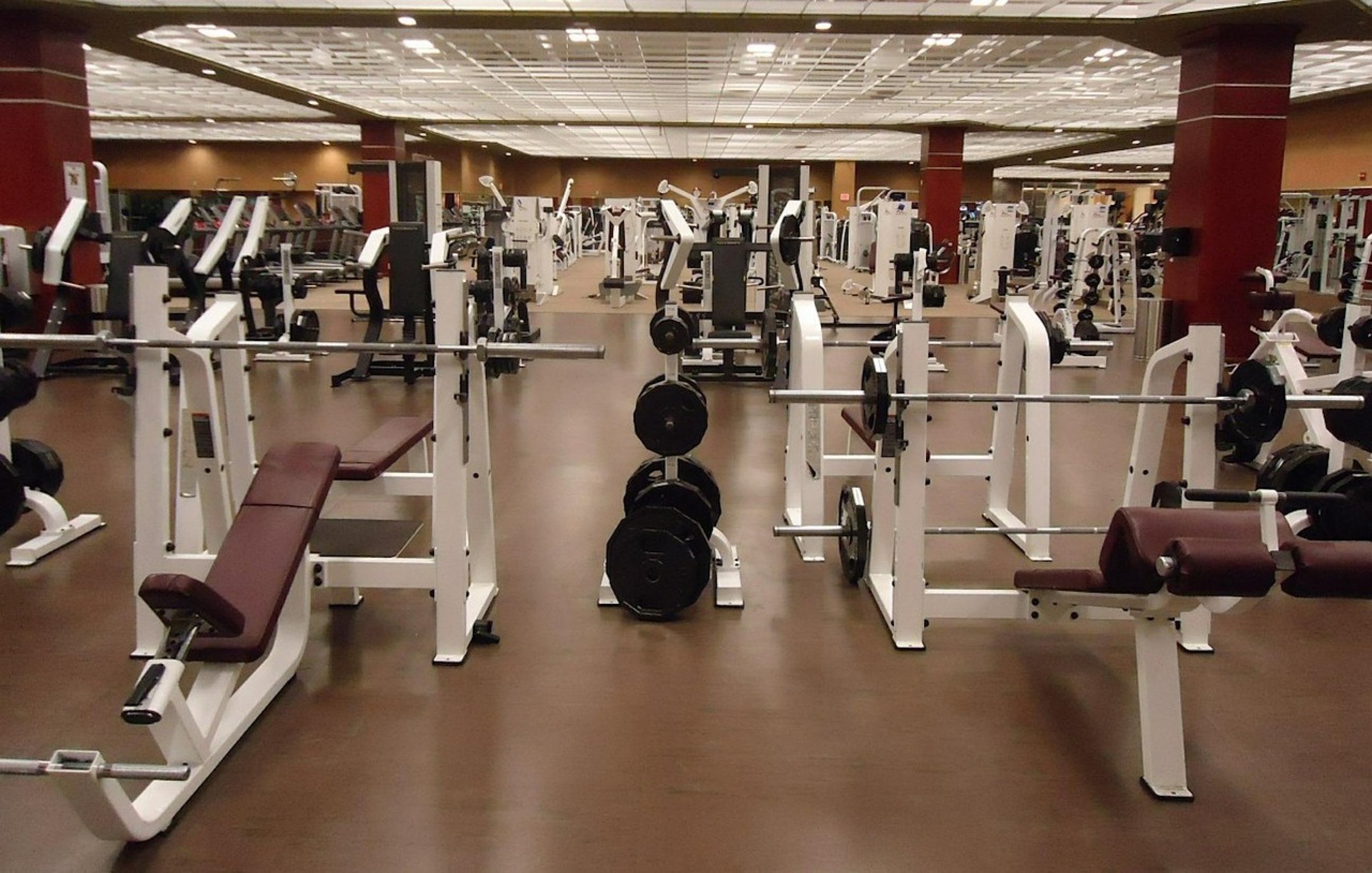
Dumbbells allow you to cheat a bit by working through a full range of motion while correcting any imbalances. A barbell doesn’t give you that luxurius; it forces your entire body to work together in one, coordinated unit. It’s non-negotiable when you’re moving a lot of weight with precision.
Compound Lifts Require Barbell Rigidity
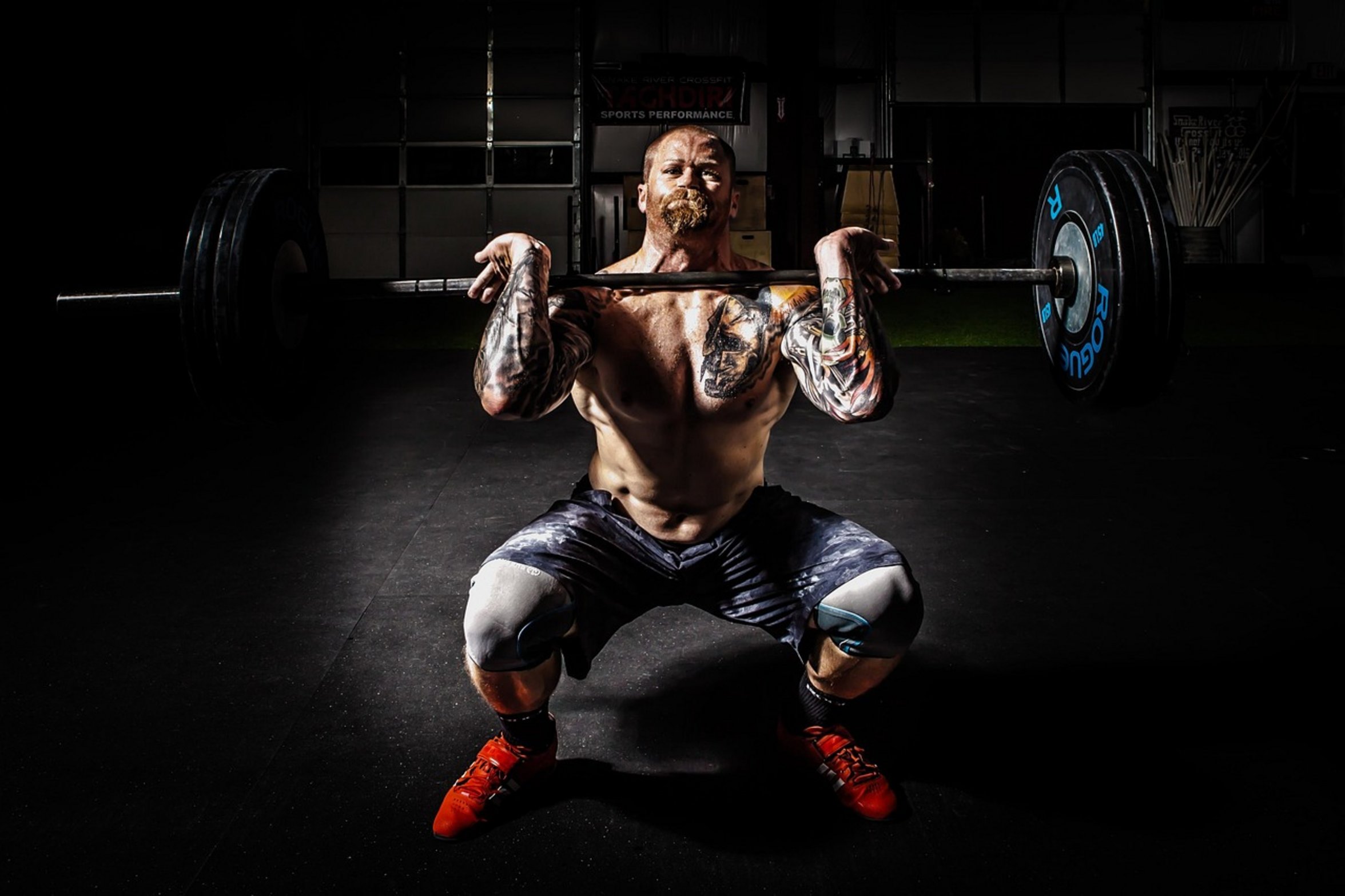
Secondly, compound lift require the rigidity of a barbell. What do I mean by this? Consider a bench press, a squat or a deadlift.
You need to lift huge amounts of weight, keeping your body rigid at all times. A dumbbell squat will fall apart under true heavy weight. Your spine has to fight rotational torque because the load is on both sides of your body.
With the barbell, that load are distributed evenly across your hips or shoulders. It turns two limbs into an efficient single engine. It’s also cleaner.
Precision Loading for Slow Progression
With a barbell, you can increase your overload by two pounds simply by clipping them onto the bar. And that precision make a difference when you’re watching your strength curves. When you use dumbbells, they tend to go up in jumps of four or five pounds, gaps that are too wide for slow progression.
Either you jump too heavy too soon or you’ll get stuck on the same weight for weeks at a time. But with the barbell, you can make small gains that build up over months. The overhead press is another exercise in which the barbell come out on top.
Anti-Extension Core Strength Development
The barbell develops anti-extension core strength, whereas the dumbbells let you get away with a more natural shoulder path. Your abs and obliques has to fire to prevent your body from extending as it moves the bar straight up and down. The tension created shows itself in improved athletic performance and carrying strength.
It creates a shield for your spine that isolated dumbbell training just doesn’t hit. But it’s not always a barbell. You need some sort of power rack or partner to be safe; there’s no way you’re going to spot yourself on a loaded bench press.
Safety and Solo Training Practicality
That leaves you with dumbbells as a safety net. You can drop the weights if they get away from you. For the single practitioner training out of a garage gym, that means a big commitment to plates and racks for barbell.
On the convenience scale, dumbbells dominate for lone wolf. The heavyweight barbell will also be hard on your grip strength and forearm endurance. Before your targeted muscles give out, your grip can become the limiting factor as you hold onto the bar for several reps.
Grip Strength and Muscle Isolation
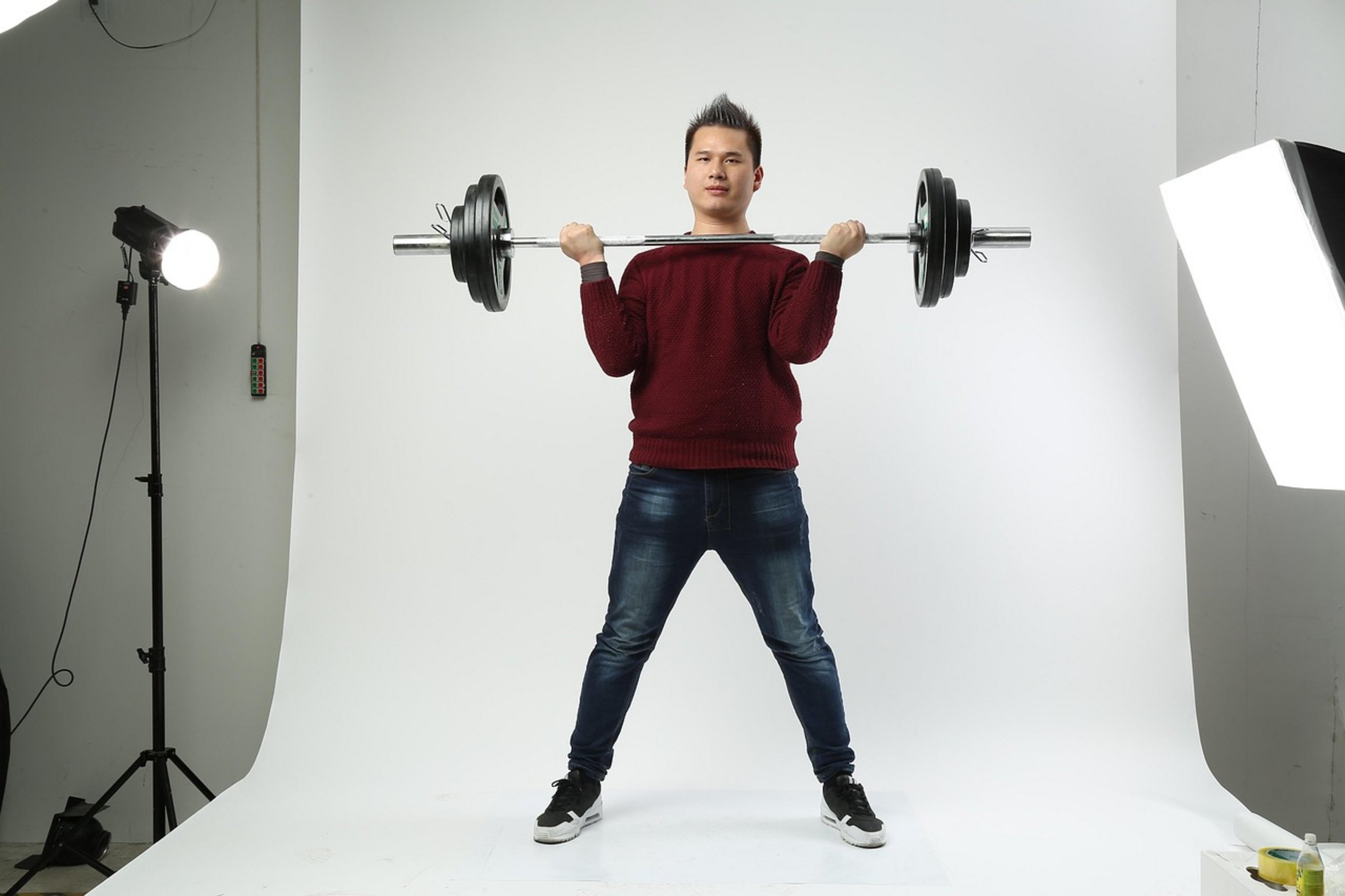
While that’s great for strengthening your grip, it’s not ideal when you try to isolate a specific muscle. You may want to isolate specific muscles like your shoulders or back. Because dumbbells turn with your hands, they’re less harsh on your wrists.
You’ll be able to work on the primary movers while letting your forearms off the hook. A fixed pathway is a strict form. The static path of a barbell row produces serious back thickness.
Form Strictness and Force Efficiency
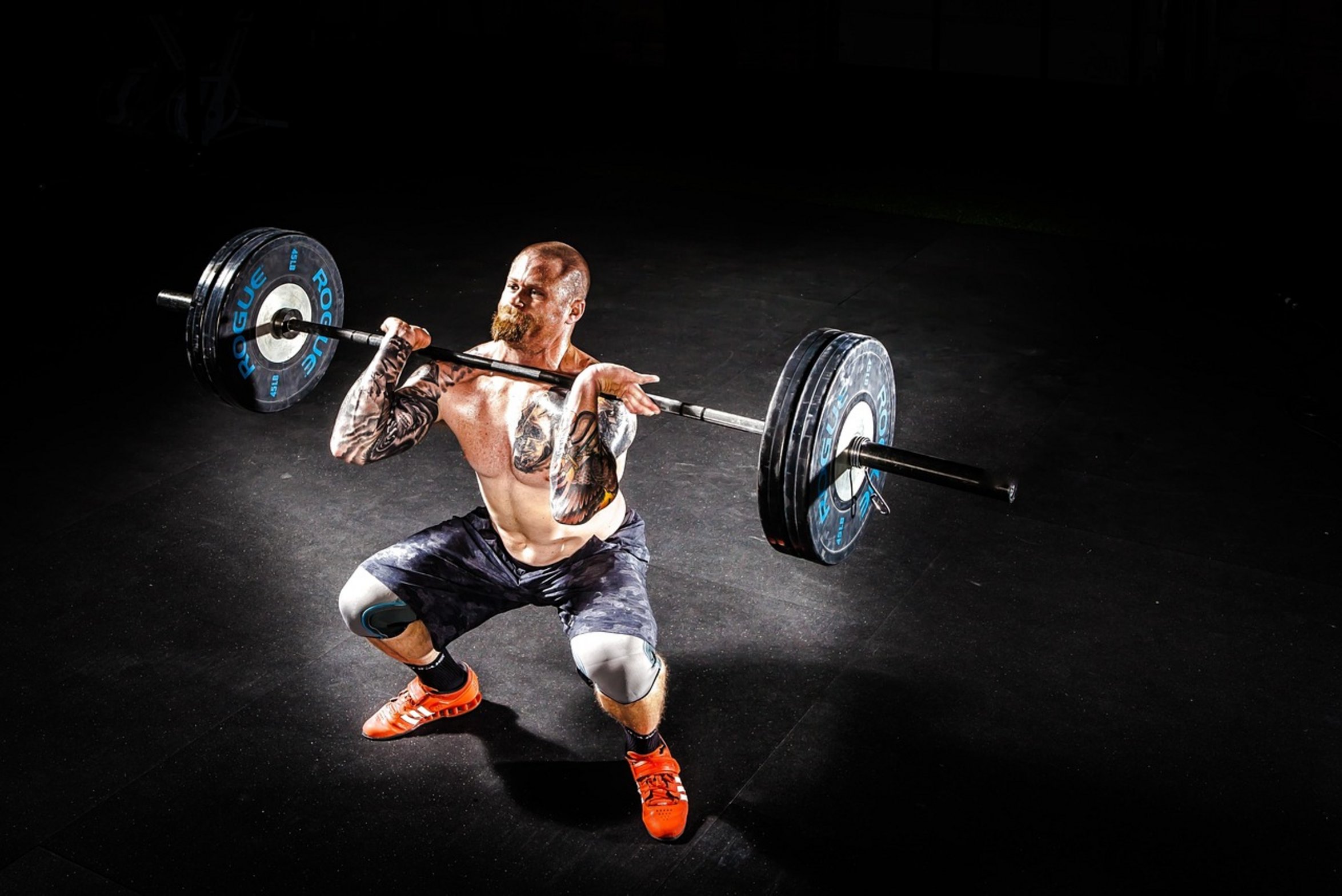
If your back rounds as you pull the weight towards your chest, no go, the barbell will quickly punish poor posture. In contrast, dumbbells can be pulled with momentum while angling your torso. While this flexibility comes in handy when training for muscle growth, it’s not as effective for developing raw strength.
A barbell requires discipline. The barbell is at the center of powerlifting, Olympic lifting and pretty much all strength training. It’s a straight line of movement…
When you’re trying to produce maximum force, there’s simply no alternative. Dumbbells diffuse force; if the path of the load isn’t perfectly straight, you lose energy along the way. Every joule should go outward or upward.
A barbell directs this force with maximum efficiency. It is also the best tool we have for measuring human potential. The two also have different recovery times.
Measuring Human Potential and Recovery
Because barbells involve taxing your central nervous system more so then do lighter dumbbells, there will be more systemic fatigue; i.e., heavier barbell workouts will result in more overall stress, thus requiring additional days off for recovery (e.g., a hard squats day may require an additional day off). Since dumbbells typically provide more localized workouts, you can beat on a muscle group without as much total stress. This could be important when you’re training several days per week.
What’s available to you depends off the equipment you have. For instance, a home gym may only have one or the other, while a commercial gym can accommodate both. Limited space?
Space Efficiency and Setup Convenience
A set of adjustable dumbbells will occupy far less space than a loaded barbell and a power rack. The barbell also demands vertical clearance during lifts, which means storage is an issue. Dumbbells, however, can be stacked on a compact rack that uses minimal floor space.
Practicality usually beats theory. Let your safety culture guide your choice: It will take some time to learn how to unrack and then rack the barbell correctly. Most beginners hurt themselves trying to force it in place, typically straining their shoulder and/or wrist muscles.
Dumbbells are also more natural, which makes them an easier option to start with. Establish movement patterns with dumbbells; when you’re stable enough to manage the weight, go for barbells. The barbell is the best tool for building strength.
Choosing the Right Tool for Your Goals
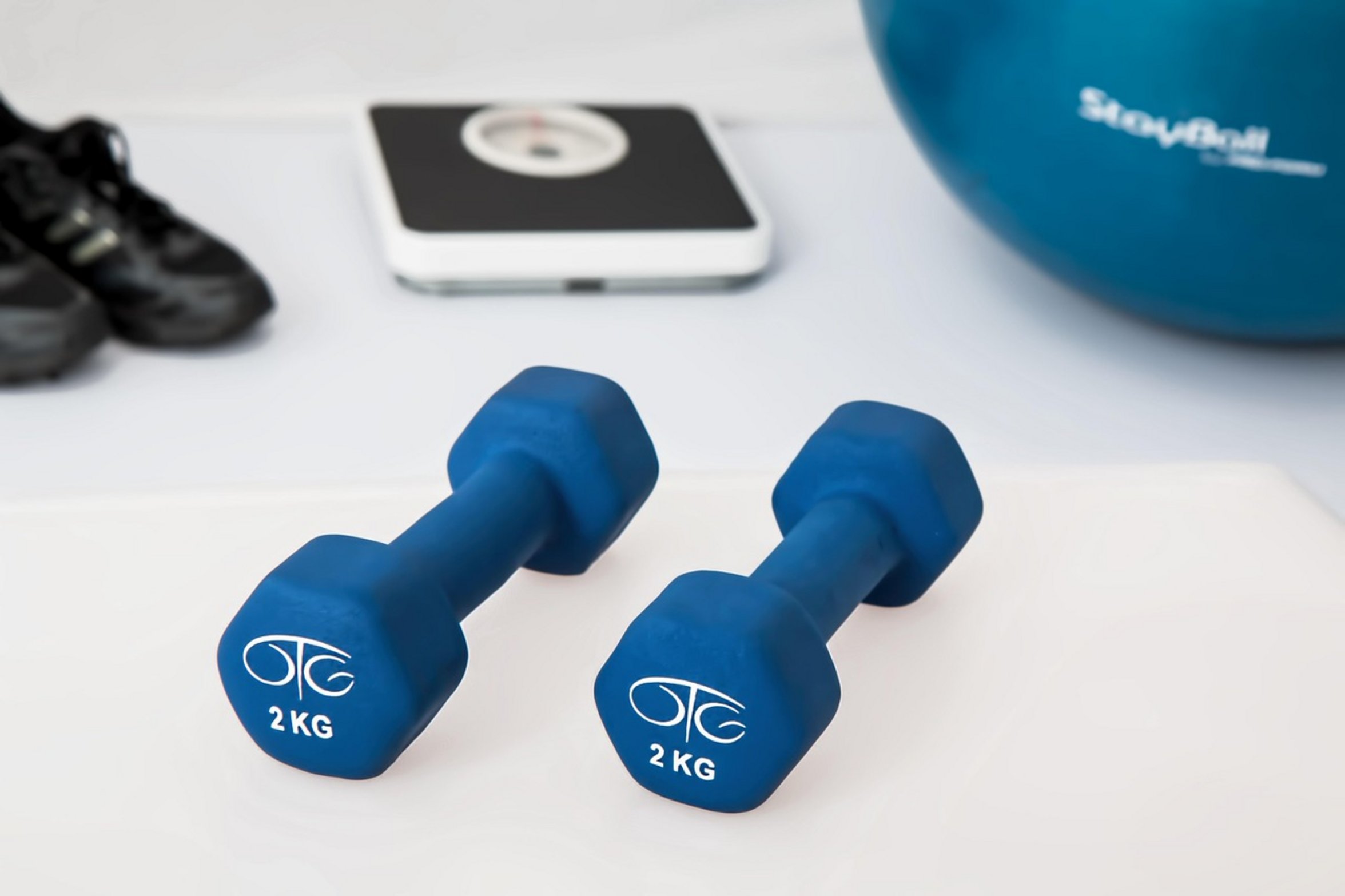
When you need to move heavy loads with perfect symmetry, the barbell’s your guy. Dumbbells are convenient because they help with safety (solo), range of motion, and balance. Be smart about it.
Know when to use what. Choose the right tool for the job.
