
So here you are standing in gym staring at two bars. It is a three-hundred dollar bar. It is a three-hundred-dollar-plus-a-small-fortune bar.
From afar they appears the same. They has a steel cylinder, collars, and knurling. But then you pick them up.
Instantly you feel it; one is lifeless, the other is alive. It snaps back into place, it maintains its form. It shows respect for your hand.
And that is what we seek to bridge. But most folks don’t think that, so they figure you’re buying brand prestige or marketing. Nope.
Why Premium Barbells Are Worth The Extra Cost
Engineering Tolerances and Structural Integrity
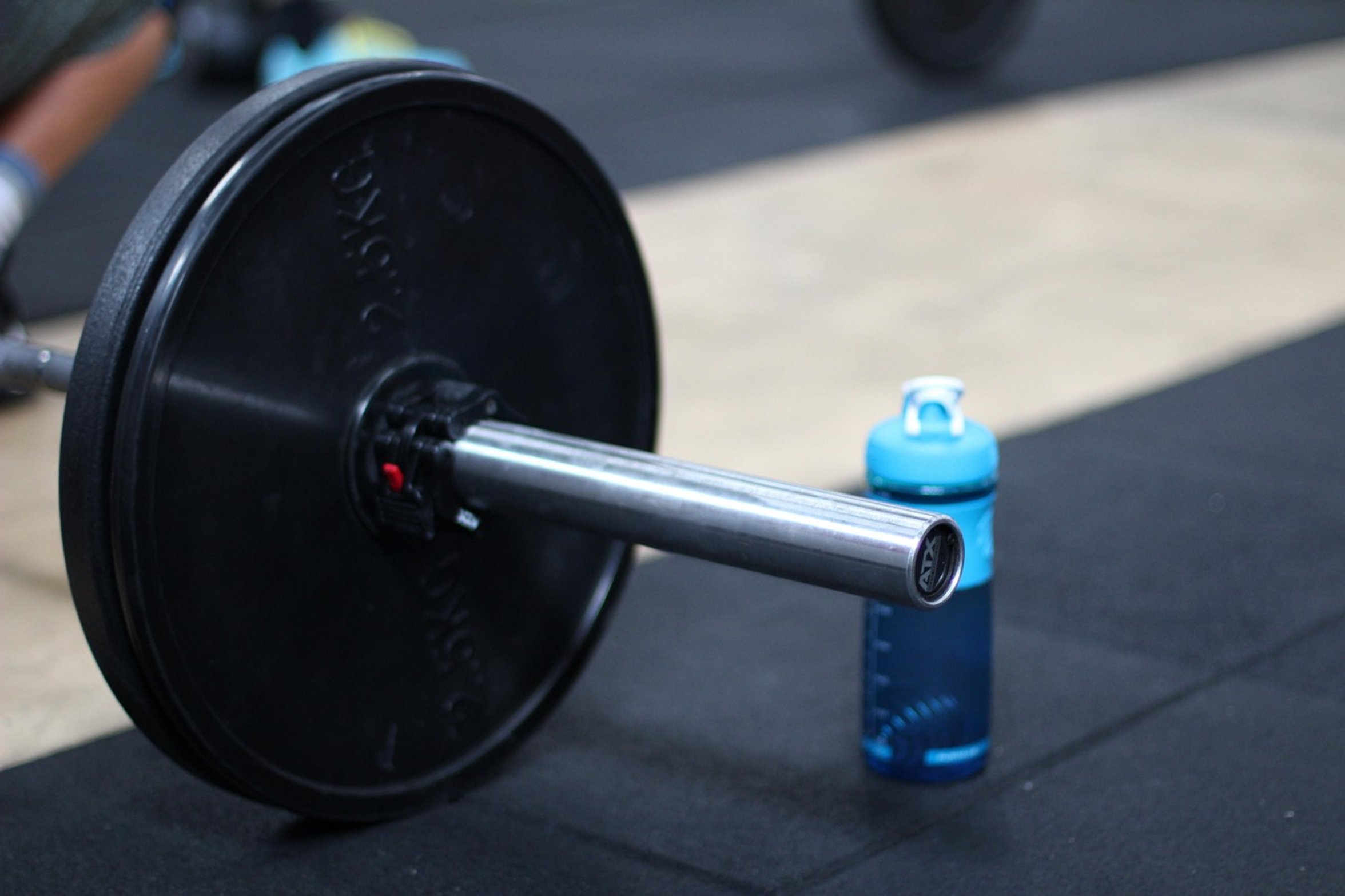
You’re buying engineering tolerances, how the bar flexes and responds to load. Cheap bars does odd things. Stretch too far.
They snap back violently with a shock to the wrists. A premium bar will provides some controlled give but also hold its structural integrity. Pound for pound, micron by micron, that’s what distinguish a good bar from a great one.
Knurling Depth and Placement
This is knurling. Knurling is that aggressive pattern etched into the steel to make it easier to hold on to. Budget bars is either too shallow or too sharp.
They cut up your hand or slide right off. High end bars from companies like Eleiko or Rogue feature precise knurling depth. They are enough to keep you in place during a heavy pull, but not so much that they shred your palms when doing some light warmups.
Where they put it also make a difference. You want the aggressive pattern directly above where your hand rests. If the knurling ends too soon, your grip will slip towards the end of a squat.
That’s a safety issue wrapped up as a comfort choice.
Barbell Flex and Rebound Characteristics
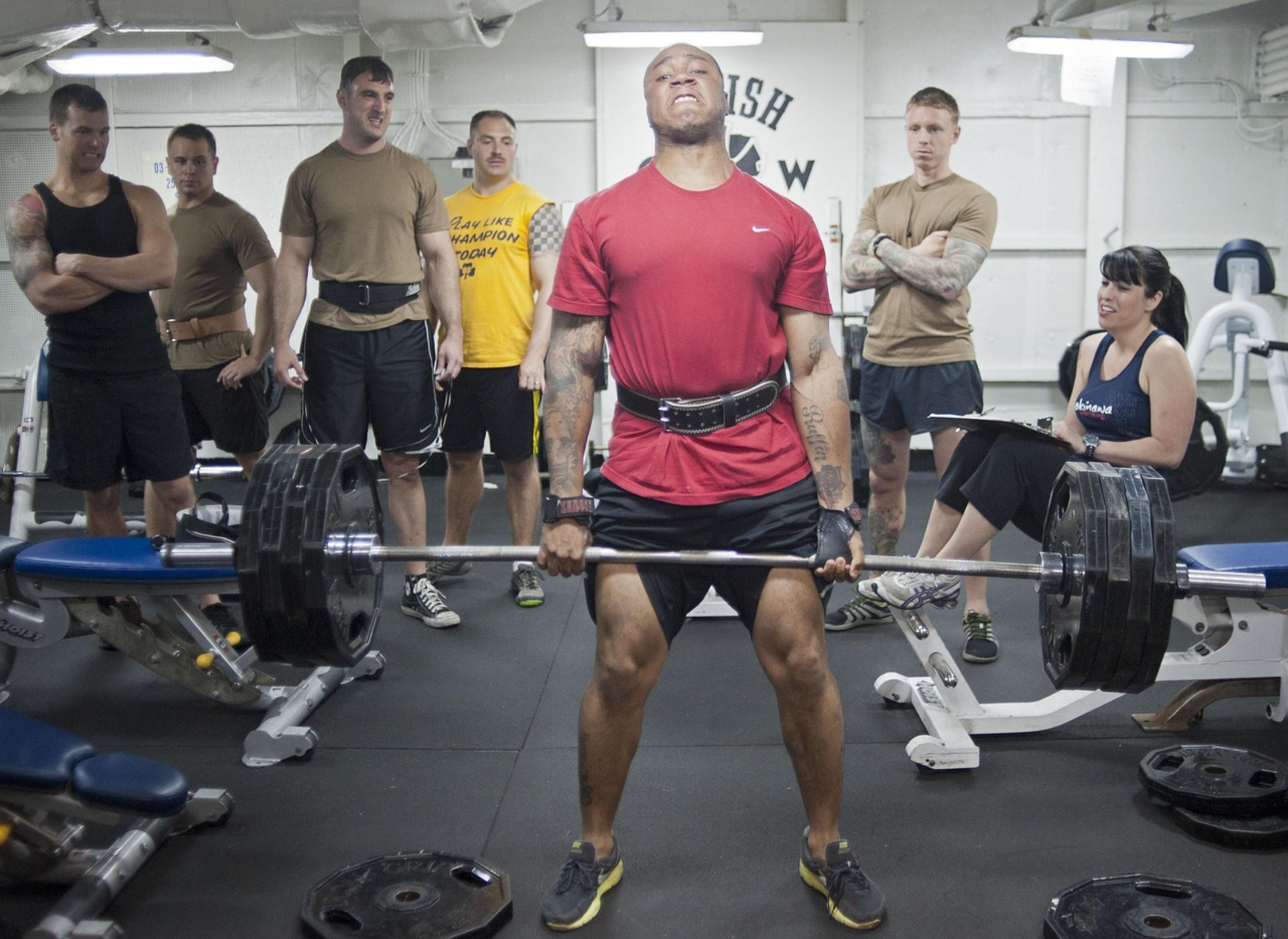
Then there’s the rebound and the whip. How does the bar bend?
How fast does it return to straight? Under five hundred pounds, a powerlifting type bar (very stiff) won’t budge much at all. That’s great if you’re doing deadlifts where a solid base are desired.
For Olympic lifts, however, you need bend. The bar needs to absorbs the energy of the catch position. If you drop a barbell on your head, it ought to flex a bit to soften the blow.
And then it snaps back to true. This helps you stabilize weight. Inexpensive bars suck up this energy and remain bent.
Instead of working with the bar, you end up fighting the bar.
Sleeve Rotation and Bearing Types
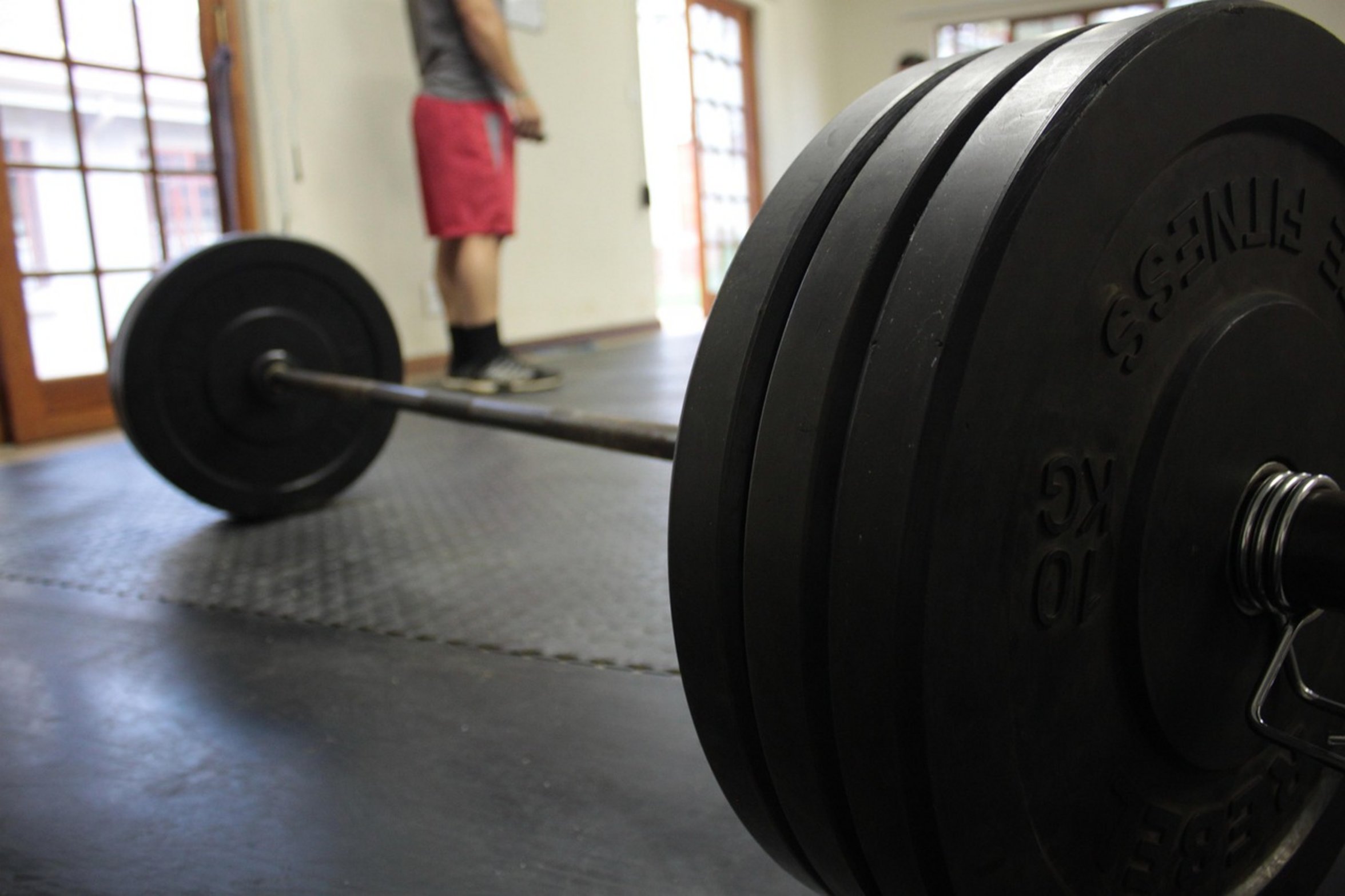
The second important element is sleeve rotation. That’s the part where you put the weight plates on the bar.
And it must rotates freely. When doing snatches and cleans, if the sleeves start dragging, your momentum stops. And you fight against friction wasting precious energy.
A good bar will have high quality bushing or bearing in the sleeves. For example, Eleiko has bushings. They provide a smooth but slightly resistant feel that many lifters like because it helps them maintain control.
Often Rogue go with bearings for super fast rotation. Both are great bars. What matters is consistency.
The bar should spin smoothly at any load. It should not bind or wobble. They gets this by precision machining so the sleeves stays centered and spin true both when empty and loaded with max plates.
Protective Finishes and Durability
And then there’s the finish. Chrome is popular, but flakes over time. Black oxide or nickel-zinc finishes is tougher.
They is resistant to wear and corrosion. It will keep the steel beneath protected. It will keep the bar looking nice and operating well for decades.
This is a tool that you’re purchasing that should of last longer than yourself. The finish prevents it from rusting on your home garage floor or from the sweat of a commercial gym.
Collar Security and Balance
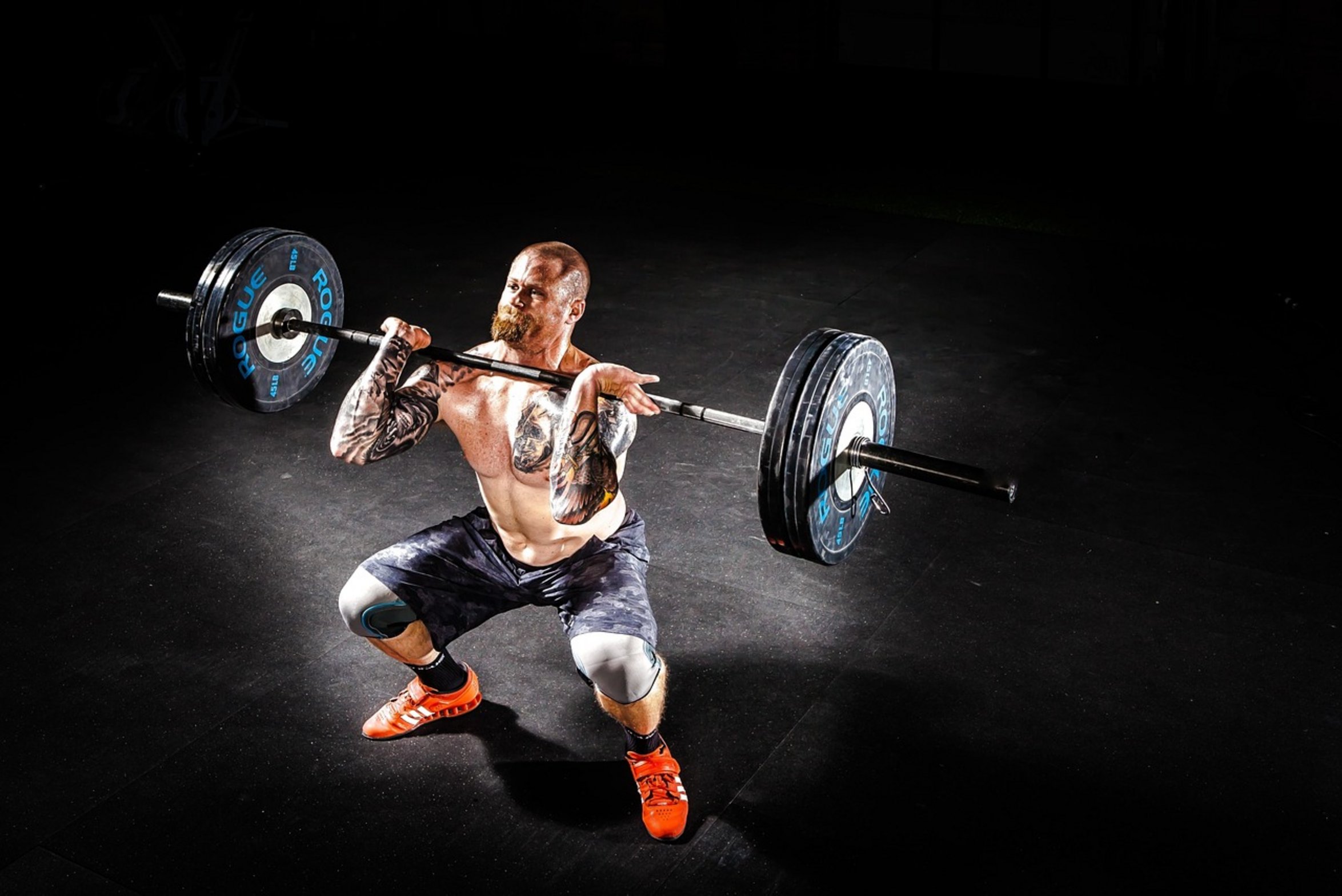
Lastly, check out how well they retain their weight.
Bars should not be unbalanced. Imbalance come from loose collars. The best bars has collars that lock securely with a single turn.
No more no less. There shouldn’t be force necessary to get them into place. And there certainly shouldn’t be any wiggle when dropping the bar.
A little thing. But if you lift really heavy, this will prevent total failure. A good bar is an investment in yourself.
In your performance. It’s a tool that doesn’t fight back. You can trust it to work as intended.
For me, those qualities are worth paying for. And yes, the price tag is high. But the cost is in each and every rep.
Each and every set. With this bar, you have confidence when you lift. You know the bar will work as designed.
And that peace of mind is worth every penny.
