🏀 Vertical Jump Calculator
Estimate jump height, touch height, and target gap from reach, flight time, and squat support
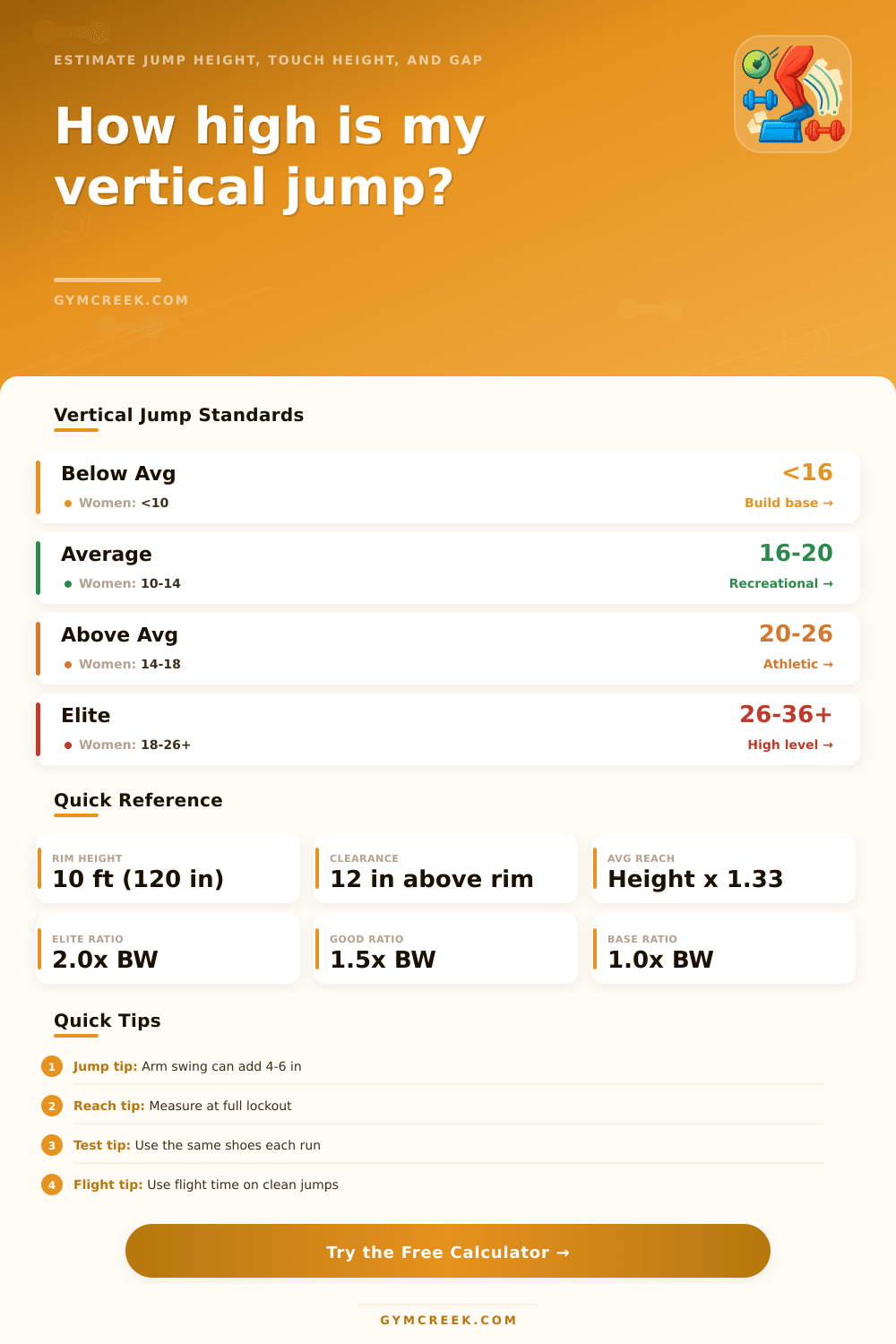
| Level | Men | Women | Notes |
|---|---|---|---|
| Below avg | <16 in | <10 in | Build base |
| Average | 16-20 in | 10-14 in | Recreational |
| Above avg | 20-26 in | 14-18 in | Athletic |
| Elite | 26-36+ in | 18-26+ in | High level |
| Profile | Reach / Height | Touch / Rim | Use |
|---|---|---|---|
| Short reach | 1.28-1.31x | 0-6 in | Needs more jump |
| Average reach | 1.31-1.35x | 6-12 in | Good baseline |
| Long reach | 1.35-1.39x | 12-18 in | Helps reach math |
| Very long | 1.39x+ | 18+ in | Great leverage |
| Band | Squat/BW | Jump boost | Notes |
|---|---|---|---|
| Beginner | 0.75-1.0x | 9-12 in est. | Foundation |
| Intermediate | 1.0-1.5x | 12-18 in est. | Solid support |
| Advanced | 1.5-2.0x | 18-24 in est. | Athletic power |
| Elite | 2.0x+ | 24+ in est. | Big spring |
| Metric | Formula | Use case | Notes |
|---|---|---|---|
| Touch jump | Touch - reach | Measured jump | Wall or tape |
| Flight jump | 48.26 x t^2 | Jump mat | t in seconds |
| Target jump | Rim + clear - reach | Goal touch | Rim math |
| Power index | Vert / BW x 100 | Relative power | Higher is better |
The vertical jump is one of the most revealing measurement of an athletes performance. Athletes of all type, from basketball players to volleyball stars, care deeply about they’re vertical jump measurement because even a few inches can make a significant difference in performance. Whether you play for show or for scholarships, or just to track your physical fitness, knowing your vertical jump can help you find ways to improve your performance.
Improving your vertical jump go beyond jumping as much as you can. It involve many factors, such as your strength, your running speed, your physical composition, your age, your genetics, and your training routine. All of these factors interact to determine your jump. To make it easier for athletes to understand these factors, vertical jump calculator has become very popular. These calculators can determine your vertical jump based on your physical attribute.
Key Factors in Vertical Jump Performance
What Actually Determine Your Vertical Jump?
The amount of force that your muscle can create against the ground in a short period primarily determines the vertical jump that you can achieve. As your muscles create force while you are jumping, your muscles create elastic energy that gets release when you jump. The more force you can create with your legs, your hips, and your core while jumping, the higher you will jump.
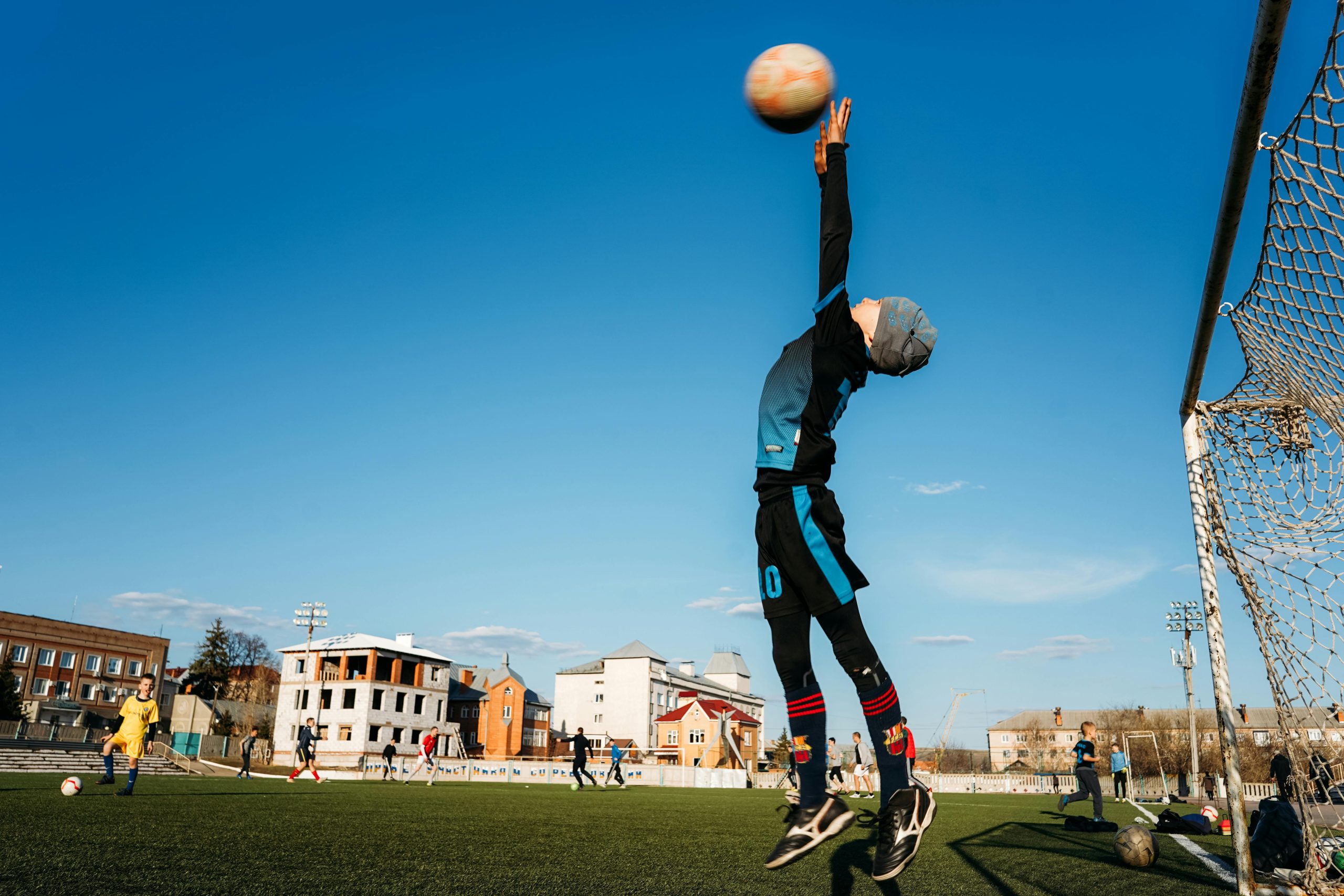
There are two method to test your vertical jump: standing vertical jump and approach jump. A standing vertical jump, also called a countermovement jump, involve jumping vertically without any approach or running start. An approach jump require an approach and run start to your jump and is used in sports like volleyball and basketball. The advantage of an approach jump is that you can jump higher, but both jumps has their merits and cannot be directly compared.
Your body weight will play a role in your jumping ability. A lighter individual will have a higher vertical jump than an individual of a higher weight. However, the individual of the higher weight may have more strength. Strength is a crucial component of jumping, and the two are correlate.
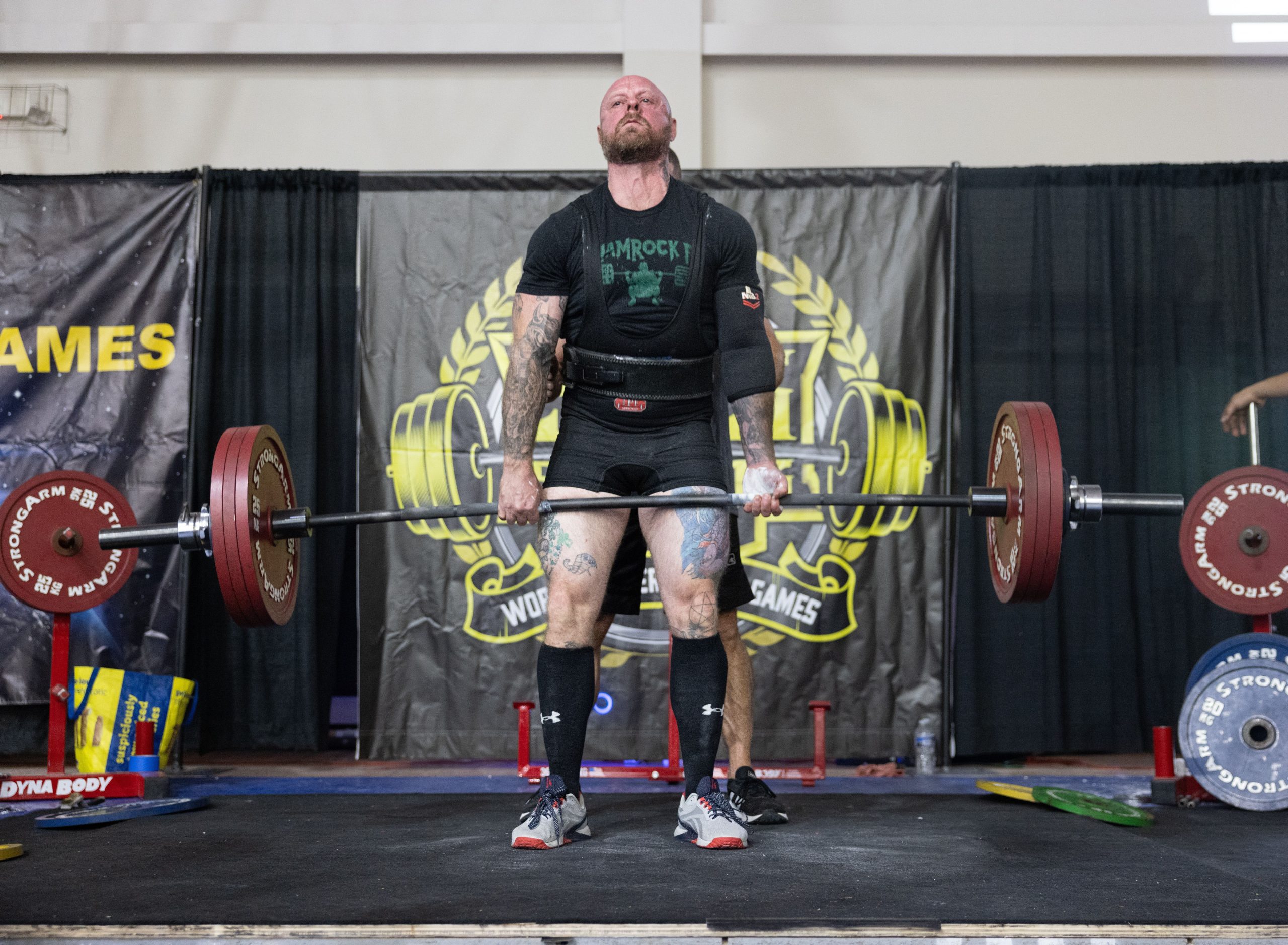
As with most athletic endeavor, strength training is an excellent way to improve your vertical jump. A study that tested the vertical jump of athletes find a very strong correlation between squat and deadlift strength and vertical jump. In addition to strength, speed is also essential for a good vertical jump. Those with both high levels of strength and speed can develop the best jumping ability.
Technique while jumping is also important. Many individuals leave inches off the table due to a lack of proper technique while jumping. Focusing on proper jumping technique will improve your vertical jump. Your age also play a role in your vertical jump. The majority of athletes reach their peak vertical jumps between the age of 20 and 30. Even after this age, however, many athletes can still improve their jumps with the proper training. Many athletes in their 40s and even 50s have improved their jumps with proper training.
Women and men will have different vertical jump averages. Men will have higher strength and jumps due to the difference in muscle mass between the two genders. However, the training method are the same. Female athletes will have to focus more on their strength in their hips. Regardless of gender, athletes of all ages and backgrounds can improve their vertical jumps by focusing on plyometric and Olympic lift routines.
The training methods for the vertical jump can also translate to other physical activity. Many athletes who improve their vertical jumps also see improvement in their sprinting speed and strength in lifting activities. This is due to the improvement in the muscle recruitment of individuals following these jump training routine.
As for testing your vertical jump, it is not recommended to perform the test each week. The results of jumping each week will skew due to the physical abilities of your muscle to jump repeatedly. Coaches recommend that athletes jump every four to eight weeks to give their body time to improve with the training routine.
An individual’s nutrition and recovery play a significant role in their jumping abilities. Dehydrating an athlete by even two percent can significantly impair their jumping abilities. Sleep and resting of the body are also essential for jumping abilities. Those interested in improving their vertical jump must take care of their recovery as much as their jumping training. An athlete must consume enough protein, calories, and water to provide the body the energy and strength to jump high.
Now there are many method to test an athlete’s vertical jump. Beyond jumping into a tape on a wall, jump mats that measure the time of flight can measure the athlete’s jump. Furthermore, force plates can also give the most accurate reading of an athlete’s jump capabilities, but they are expensive for individual athletes to purchase. Each method of measuring jump has its advantage and drawbacks.
As shown in the calculator above, inputs like reach, flight time, and strength can determine an individual’s vertical jump. Rather than relying on a single jump measurement, having a way to determine the relationships between these variable can help an athlete improve their jumping abilities.
Setting goals for your vertical jump will help you understand your performance and your expectation for improvement. A vertical jump of 20 inches may be excellent for a basketball athlete five feet six inches in height but not for a player standing at six feet eight inches. A vertical jump that seems modest for tall athletes may be excellent for individuals with a high level of athleticism. Focus on improving your vertical jump rather than obsessing over the specific inch mark on the wall. Many athletes find that as soon as they stop obsessing over their vertical jump, their jumps begin to improve.
An athlete’s mental strength also affects their jumping abilities. If an athlete believe they can jump high, they will jump with more force and enthusiasm. Those who have achieved high jumps through proper training may have an advantage in their mental strength to jump as high as they do due to the number of small win they have achieved in their training efforts.
As a measurement of an athlete and as a means of improving that athlete’s jumping performance, the vertical jump holds the ability to determine an athlete’s strengths and to allow them one of the best means of improving that specific attribute. By understanding the science of the jump and training correctly, almost anyone can improve their vertical jump over time. While the journey to achieve better jumping abilities may require patience and commitment to training, the rewards will extend beyond jumping over a basketball goal posts or volleyball nets. Furthermore, the mental and physical confidence in an individual to jump high will also benefit that athlete in other area of their lives. Consistent, smart training beats genetic gifts every time.