
In any home gym, one of the best pieces of equipment is an adjustable weight bench. Because you can adjusts it to hit each of major muscle groups, it transforms barbells and dumbbells into a multi-purpose system. Unfortunately, for many, the bench becomes little more than a prop.
They put it in a flat position, lock it in place and leave adjustment pins alone forever. They are failing to use what their equipment can do. The bench is not a place to be sat upon.
The bench is a tool that changes angle of resistance. Depending on its angle, it transfer the load off your chest and onto your shoulders, or perhaps even onto your hamstrings. “Pinpointing isn’t enough; it takes understanding.
You need to know how different angles impacts your body’s biomechanics. A small rise or fall in elevation will take a decent workout and make it killer. Or, you can do it at the wrong angle and increase the strain on your joints.
It’s not about hitting all the angles once per year. It’s about knowing what works for what muscle position, and creating a workout that does.”
Guide to Using Adjustable Weight Benches
Unlocking the Versatility of Adjustable Benches
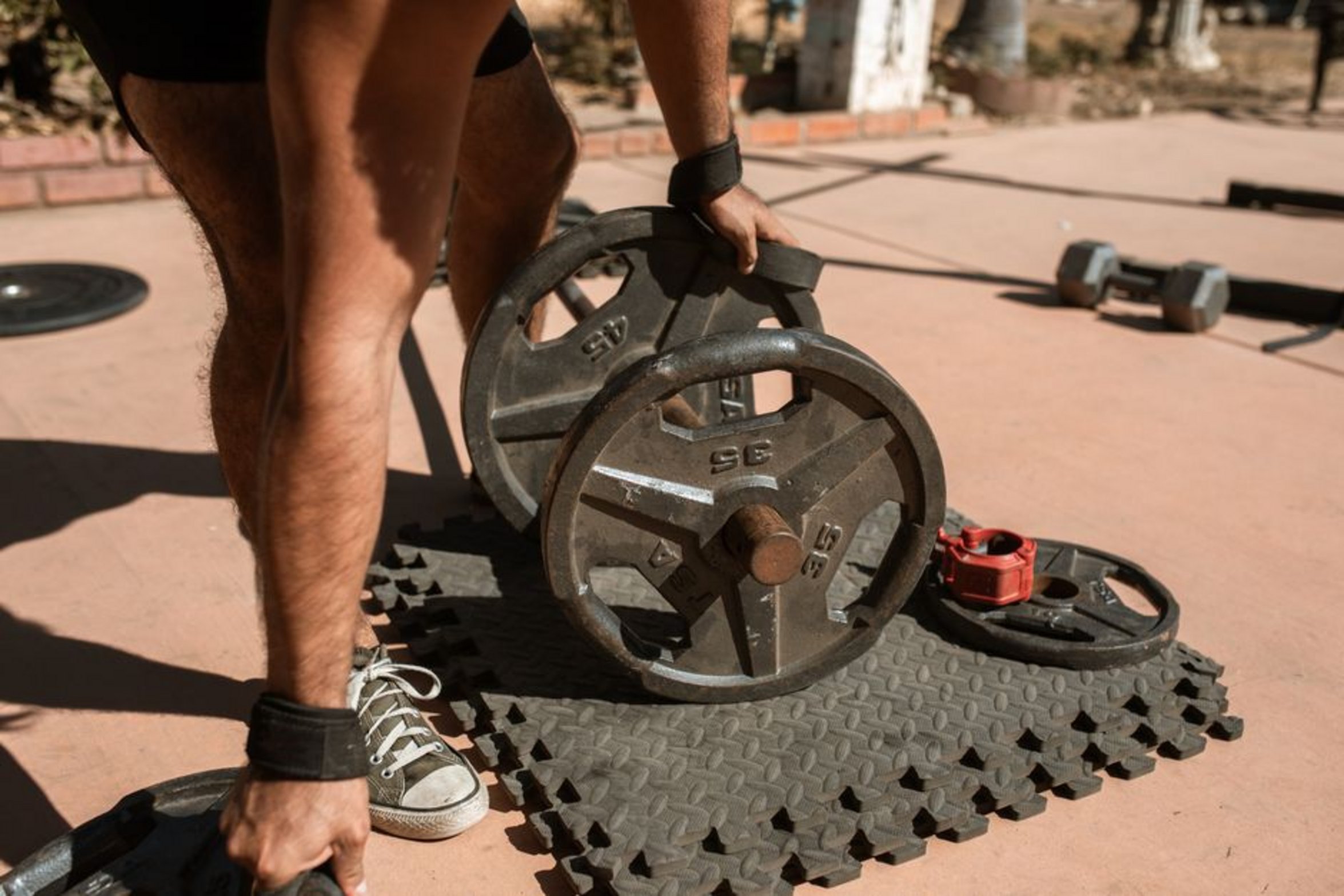
A flat position is starting point for all pressing movements. This is also where you would do your regular dumbbell flyes or dumbbell bench press.
Mastering Flat Bench Stability and Form
Stability is name of the game here. Make sure that your lower back has a slight curve when pressed into the pad. Don’t try to compensate for this by arching your back too much so you can lift more weight.
You’re going to compromise your spine for a tiny increase in load. It should feel comfortabley and secure when you’re in flat position. Before you begin worrying about your form, make sure that your leveling feet aren’t causing your bench to wobble underneath you.
When you have a solid base, you won’t have to fight the equipment as much and will be able to concentrate on moving weight. After that, experiment with different incline positions to hit front deltoids and upper chest. High-quality benches, such as those by Iron Gym or Bowflex, feature adjustable inclines.
Optimizing Incline Angles for Chest and Shoulders
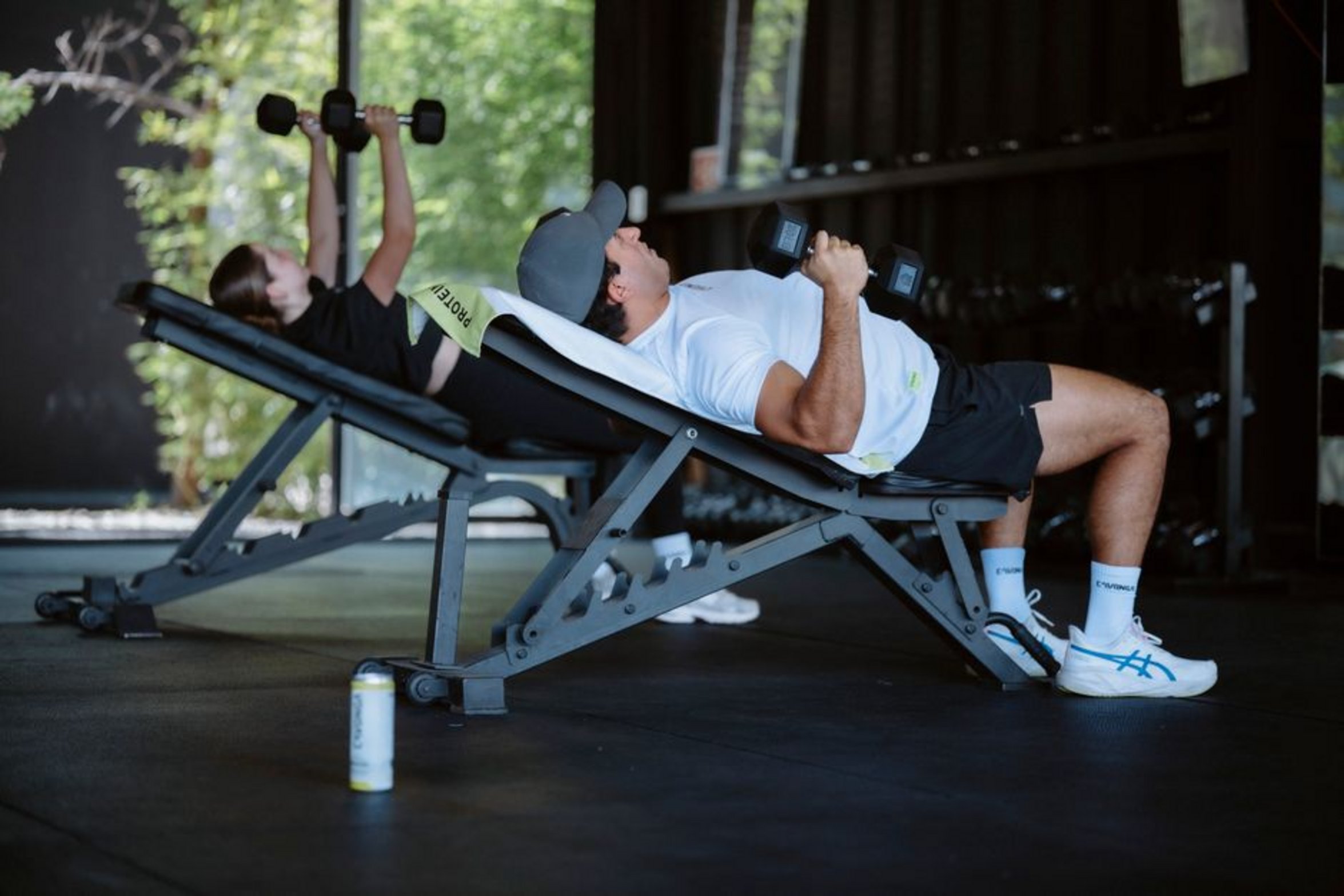
Typically, they provide anywhere from 20-60 degree options. Between thirty and forty-five degrees is typically considered the sweet spots for hitting upper chest. Any steeper position will move most of focus onto your shoulders.
Nothing wrong with that, but it alters the purpose of the exercise. For maximum chest focus, set it on the thirty-degree incline. If you’re looking for a hybrid movement that works both your front shoulders and upper chest, opt for the forty-five-degree angle.
This helps develop well-balanced pecs and shoulders.
Safety and Setup for Decline Positions
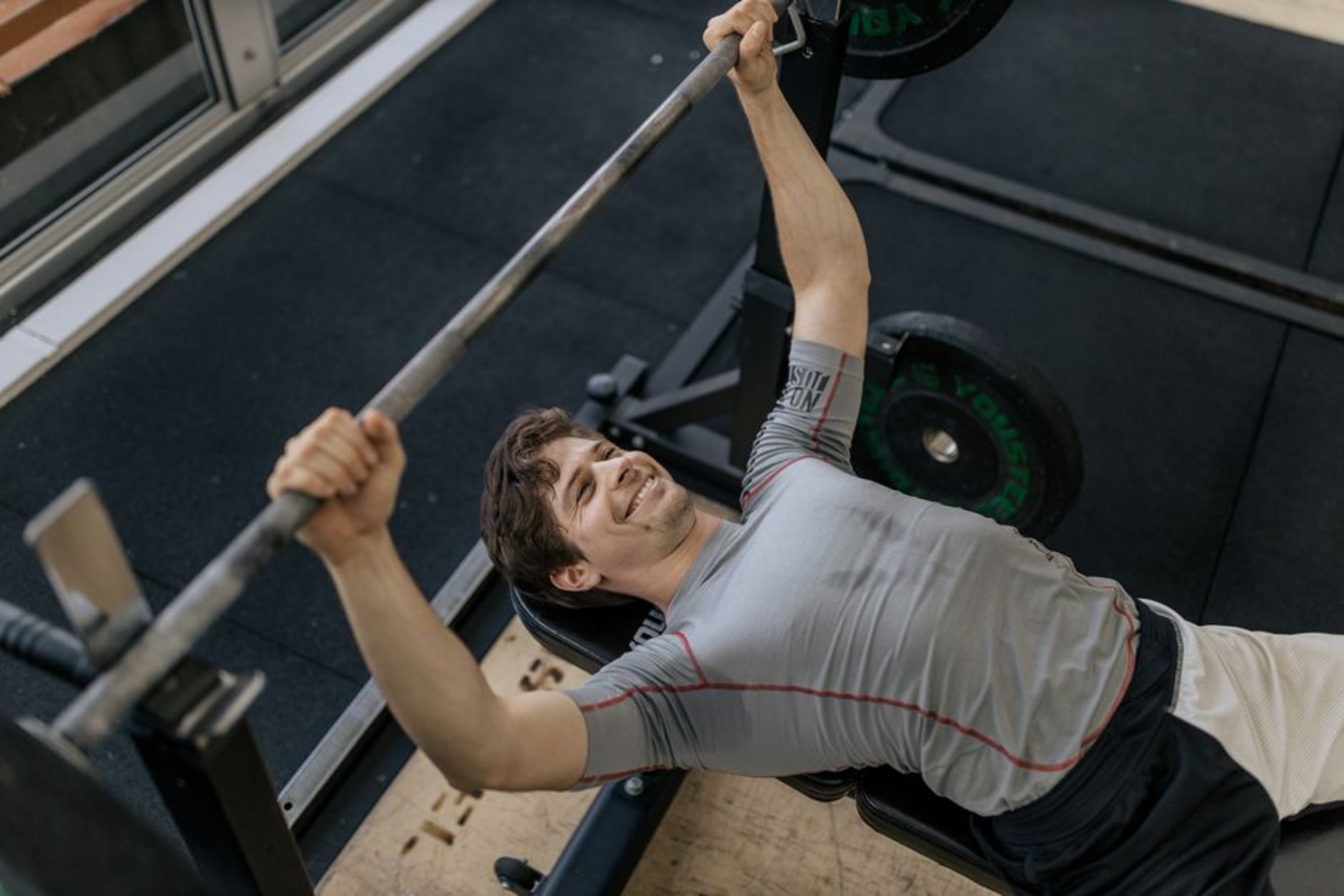
Vertical position/decline, however, is a whole other ballgame. Adjustable benches that can flip their seats forward for a decline angle are great for sit-ups or dumbbell presses.
It’s killer for your abs and lower chest. But it takes more control and comfort. Your legs need to be secured so they don’t slide around.
Don’t attempt to hack your bench into something it’s not if it doesn’t have a built-in decline function. Just too risky. Safety over coolness.
Incline or flat it is if you don’t have bench hardware that will allow a safe decline set-up. Adjustment is critical to longevity, but many people don’t know how to properly make adjustments. Adjustments should of be tight.
Proper Adjustment and Equipment Maintenance
Make sure the pin is all the way in when adjusted. Don’t let your weight slide on a loose pin because it will cause total failure. You’ll hear that clicking sound of it snapping back into place or have felt it go smoothly into place.
If you ever see any grittiness or feel anything worn on the adjustment mechanism, do not sit on this bench. Smooth operation indicates that its internal gears is healthy. The ratchets or other internal gears are not working properly.
Do not force anything on this bench that won’t move freely. It could hurt you and break the bench. Wiping down the pads and periodically checking tightness of bolts helps keep the equipment going strong for years.
Matching Angles to Training Goals
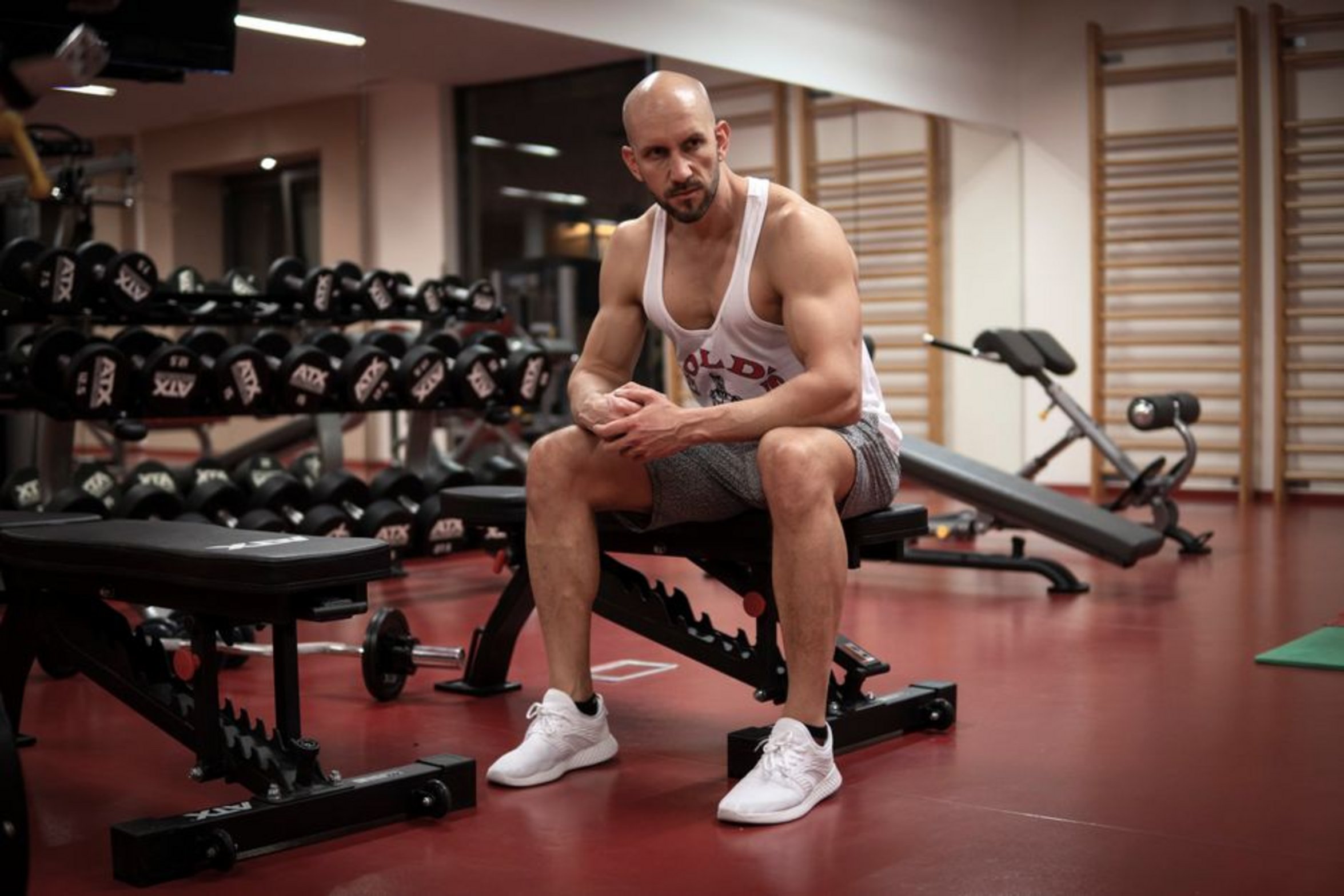
Last but not least, angle should match what you’re trying to accomplish on any given day. You don’t have to do them all, nor is there a “best” spot. Instead, the best spot is whatever matches your training intent.
So if you’re training for shoulder health, keep it dialed back on modest inclines. If you’re packing on some raw chest mass, get after ‘em on the flat setting. Change things up throughout a week or month.
That’ll ward off plateaus and cut down on chances of any overuse injury. The adjustable bench is a nuanced tool; use it as such. The adjustable bench turns your exercise from random movements into an entire strength program.
It takes the guesswork out and makes it about engineering. It lets you make the most of what your home gym is capable of by taking care of equipment and appreciating the angles. Let the bench do the work while you get down to business with what realy matters.
