
There you are, standing on gym floor. Two calorie-burning machines sits before you: One hums along at a consistant pace; the other glides quietely to its side. Both are staples for improving heart health, but they’re also poles apart in terms of how much they impact your body.
Which one to use isn’t necessarily a question of which one’s “better.” Rather, it’s a matter of what will feel best for your body in this moment versus what your body might eventualy adapt to. Is intensity good? I’ve found most of us think so.
We mistake sweating for “getting it done” and think that being careful with our joints means being soft. That’s a slippery slope. Moving is great; your heart doesn’t give two f*cks about form.
But maintaining motion do. How long can you do it before burning out? Before hurting yourself?
This depends entirely on what you’re trying to achieve (goals), your starting point (fitness level) and your history (injuries). Look past the surface and look deeper than just numbers. The big thing that matters here is impact.
Comparing Treadmill And Elliptical Workouts For Fitness
Treadmill Impact and Bone Density
Treadmills are high-impact machine: With each stride, your entire bodyweight is absorbed by your lower-body muscle. As your foot hits the belt, it creates a shockwave that travels upward toward your hips, knees, and ankles. Though it does increase bone density (a great thing if you’re worried about osteoporosis down the road), it also puts a lot of strain on your connective tissue.
If you’ve had issues with sore knee or pain in the shins, then running on a treadmill can be torturous instead of workout-friendly. Ellipticals completly remove any impact spike as your feet never come off the pedals. It’s easier on your joints, but you won’t get that “pound-the-pavement” bone-strengthening stimulus.
Calories Burned on Treadmill vs Elliptical
The one that causes the greatest debate is calories burned. Treadmill users (who typically perceive it as harder) tend to assume that it’s always a winner; in most cases, they’re correct. A brisk run at seven miles per hour burns significantly more energy then a moderate elliptical session.
That said, however, if you dial up the resistance on the elliptical, you can reach the same heart-rate as a runner. That is the problem: It’s unsustainable. Ellipticals with high resistance will tire you out fast and make it hard to keep going for a long time.
If we’re being honest, most of us fall back onto gliding quickly with little resistance, which greatly reduces the energy used. By default, you’re going to be working harder on the treadmill just from the impact and gravitational force alone. How hard you engage muscles matter for appearance.
Muscle Engagement Differences
The treadmill is weight bearing like walking. This prioritizes big muscle group such as the glutes, quads, and calves by using a movement pattern similar to normal activity. That promotes useful strength that translates to everyday activities (e.g., carrying groceries).
The elliptical offers additional options. If you reverse the foot pedals, you’ll get more direct work from the glute and hamstrings. Depending on the machine, there might be adjustable strides and movable handlebars.
This makes the workout a whole-body affair that activates the back and chest. While this additional upper-body work will add a little extra to overall energy expenditure, it will also cause your arms to tire out sooner then your legs. The treadmill stays focused on the lower body and core stabilizing muscles.
Injury Risk and Recovery
Keep in mind that each exercise offers different injury profile. Because they’re a high-impact activity with repeated motion, runners has a greater chance of overuse injuries. Common complaints from frequent treadmillers include stress fractures and plantar fasciitis.
Ellipticals are easy on your joints but lack the bone-strengthening stimulus of a treadmill: Perfect if you’ve been injured and need a recovery day or two; you can continue to raise your heart rate while protecting any current ailments. For someone with ongoing joint problems or who’s getting older, this is a great option. Impact isn’t going to cause as much harm, so you can get more consistant training instead of being forced to take time off due to injuries.
Sometimes consistency trumps intensity if you find yourself sidelined for weeks at a time. Ultimately it comes down to your own goals and context. Do you have joint problems?
Choosing the Right Machine for You
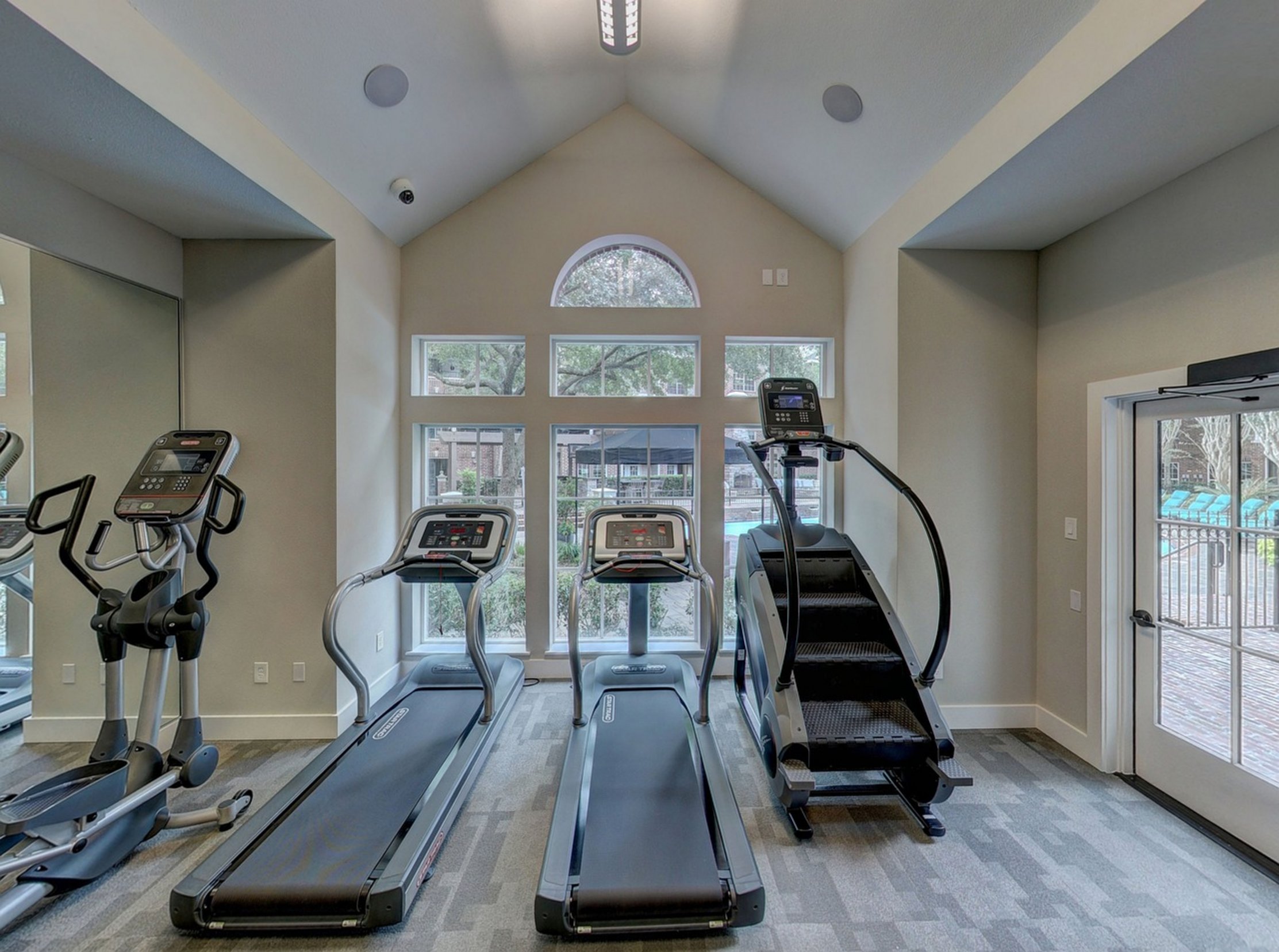
Are you looking for a lower impact workout that you can do every day? Then the elliptical is the way to go. Do you want to run or are you training for an event?
If you’re training for a race or need to maintain bone density, the treadmill is the necessary tool. You’ll probably need the treadmill. A lot of people will do both.
You get the benefits of both worlds with this mix. On days when they feel like interval training, they’ll hit up the treadmill. Other days they’ll stick to the elliptical as their active recovery.
There’s no right answer. It’s whatever you’ll do everyday without hurting yourself. Choose whatever path takes you places.
