
If you’ve been to a gym before, chances are you’re familiar with the squat rack. Load up the bar, get into position, and then bend over so far down that your butt cheeks touch your ankles (or something close). The squat, whether it’s front or back; is a point of pride for most people.
The exercise challenge your core, your balance and your willpower. However, there’s a machine in the corner of every gym that gets overlooked by the purist crowd: the leg press. Some look at it as a concession.
It is a means for those unable to tolerate a bar across their backs. If you’re looking to add size to your quads, this is a wasted effort. But here’s the thing, the gym hierarchy isn’t true.
Squat Press Versus Leg Press for Quad Growth
The Myth of Gym Hierarchy
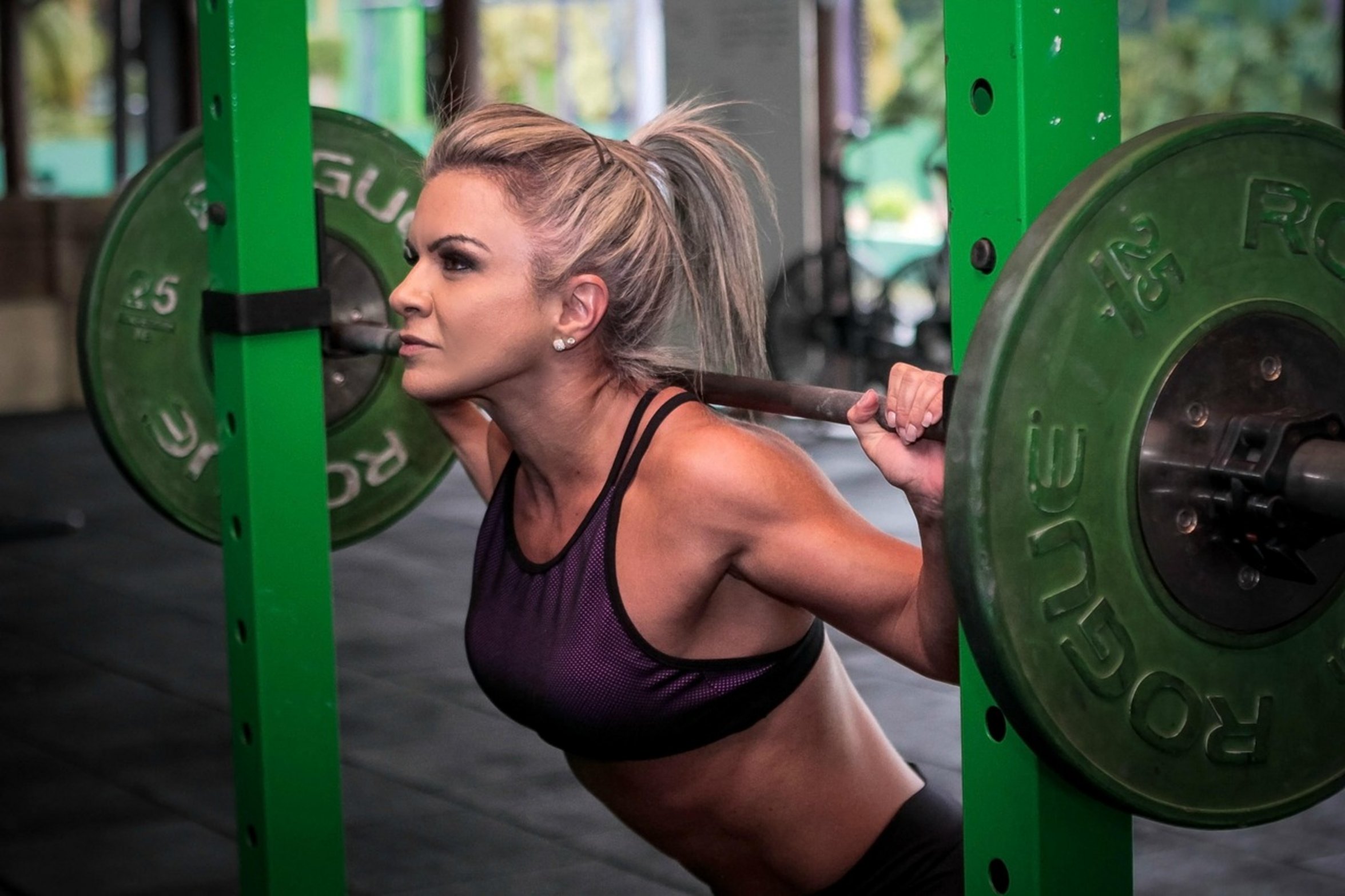
The truth is much simpler. Ego doesn’t matter to muscle. Muscles don’t care if they’re worked by a free weight or a machine.
They don’t care about ego; they only care about progressive overload, volume, and tension. So when it comes down to building bigger quads, there is no such thing as a “better” exercise to choose from between a leg press and a free-weight squat. There is only a tool that gives you the ability to put more effective stress on your target muscle.
You can build legs with either one. And you’ll make more progress with your leg training once you understand the difference. The biggest benefit to using the leg press is taking stability out of the equation.
Benefits of the Leg Press
A large amount of work in a squat is dedicated to maintaining center of gravity while staying upright with torso. Your lower back and core are constantly working hard to maintain spinal stability. While that’s awesome for athletic transfer, it isn’t as great if you’re looking to isolate the quads.
With the leg press machine supporting your back and directing the movement of weight, you can focus on pushing more weight straight onto your legs without having to worry about spinal compression or balance. The beauty of this mechanical advantage, however, allows you to train closer to failure with more safety. Because it’s a machine that controls the descent, you can go till your legs quit.
If you’re stuck at the bottom, there’s no chance of the bar rolling down your neck. This is important for hypertrophy. For hypertrophy, you need to push muscle fibers into metabolic stress.
With the leg press, you’re able to do so with ease because you don’t have to worry about your balance or core strength. You can go all-out on knee extension and heel drive. That said, squatting remains king, there’s a reason for it.
Why Squats Remain Essential
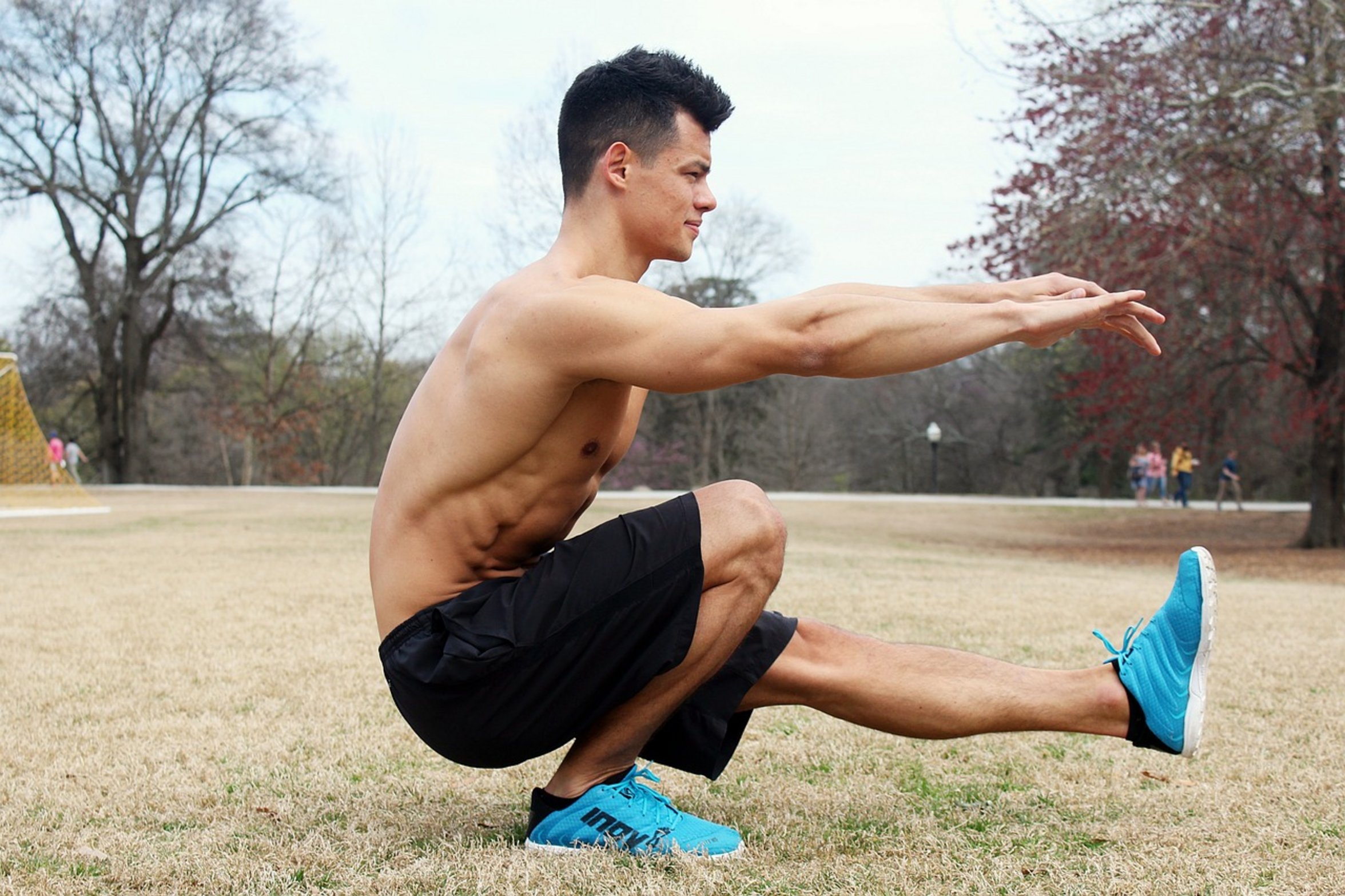
It engage more overall muscle mass. Your lower back, hamstrings and glutes all assist with lifting it. This results in a greater body-wide response.
It develops strength you can use in day-to-day life and in sports. The squat also requires more involvement of your stabilizer muscles. If you want to have legs capable of running, jumping and moving efficiently AND looking good doing so, then the squat isn’t negotiable.
Squats develop your entire posterior chain. While the leg press is great for building up your quads, it doesn’t involve your whole body. In most cases, it’s about what we’re limited to at the moment.
When to Choose the Leg Press
For example, if you have some kind of lower-back pain, the leg press is like a safe option. You can continue training your legs without further irritating your spine. Want to break through a strength plateau?
Try replacing your leg exercises with leg presses. Something as simple as the changed angle and weight distribution may shock the muscles and make them grow again. Bodybuilders at the highest levels use leg presses for pumping out huge volume on their quads, something they couldn’t possibly do or wouldn’t dare attempt with free weights.
They aren’t cheating. They’re training intelligently. So what do you do?
Combining Squats and Leg Press
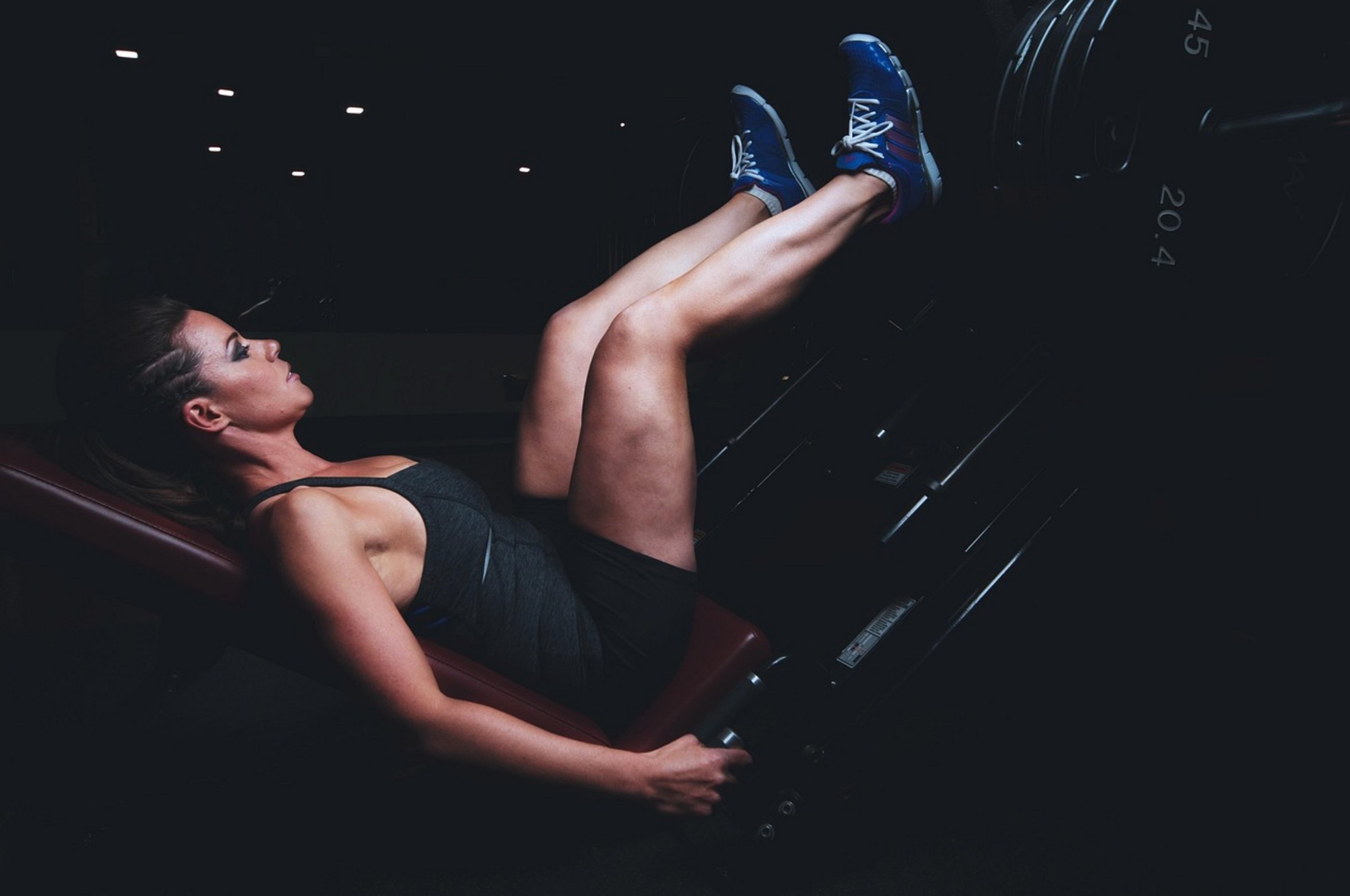
You can’t go wrong by combining both exercises. For your foundation, use squats as strength work. Make ’em technical and keep’em heavy.
As accessory work, use the leg press. Load up the volume. Force yourself into higher rep ranges.
Go for the burn. That’s how you get the benefits of both worlds with this hybrid technique. You receive the benefits of core stability and functional strength from the squat.
You also get the safety and targeted muscle growth of the leg press. It is a balanced strategy that works well with the biology of muscle growth. At the end of the day, the weight doesn’t care if it’s coming from a plate loaded machine or a barbell; your quads don’t know the difference.
They simply react to what load you put on them. Stop worrying about what “respected” exercise is best for size gains and start worrying about whether you’re actualy challenging the muscle. Maybe the leg press will finally break you through.
Stop seeing it as a crutch. See it as a tool to shape the legs you want, and let the squats do the heavy lifting elsewhere.
