
Imagine walking into a gym or looking at items on a website and seeing two seemingly identical piece of equipment. Both feature a flywheel with a pedal; each claims it’ll help you burn fat while you drip sweat. Because there aren’t many obvious distinctions between them, it’s simple to conclude they’re all the same.
It’s easy to assume: I can purchase whichever one suits my style preference, or which one is cheapest. This line of thinking always result in wasted dollars and frustration, making exercise feel more like a punishment than something productive. It’s not just a cosmetic difference; it’s a philosophical and structural difference.
One piece of equipment is intended to mimic the sensation of riding a road bike. The other is an all-purpose device for low-impact exercise and cardio-conditioning. If you choose incorrectly, you’ll fight the machine rather than work with it.
Know your product before committing yourself to any routine. Perhaps the most apparent difference is resistance mechanism. With a spin bike, the resistance is either created by a magnet engaging with a flywheel (magnetic) or by friction between the flywheel and a brake system (friction).
Spin Bikes Versus Standard Exercise Bikes
Understanding the Core Differences
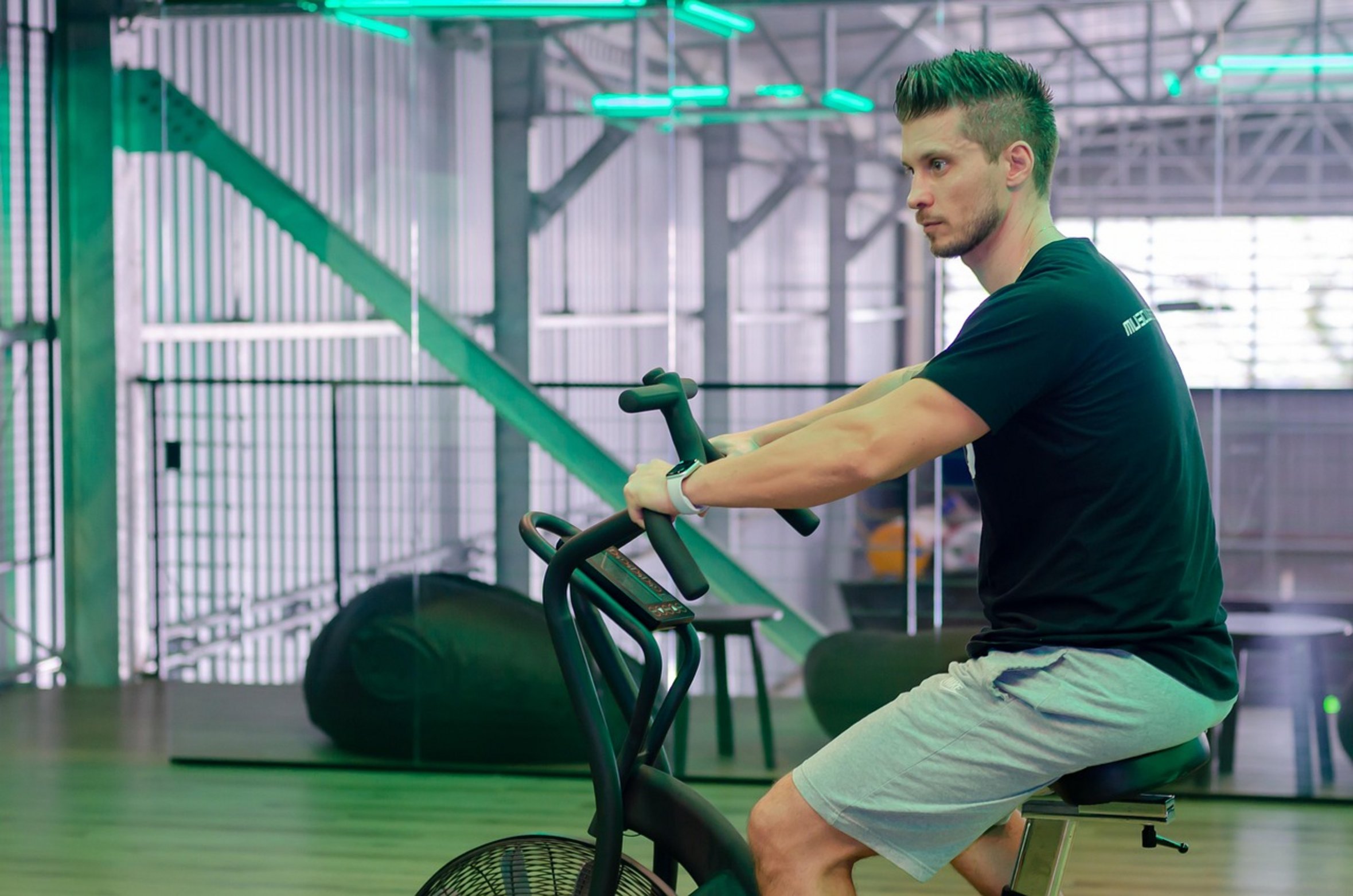
The result is that it replicates mechanical resistance of an actual bicycle. The more force you apply to the pedals, the greater the resistance, naturaly. To make the resistance feel different, like climbing harder, you would shift into a higher gear on your bike.
For this you’d use a knob to press the brake pad onto the wheel tighter. This provides direct engagement. It enables them to realisticly simulate climbing and sprinting.
Other exercise bikes work differently. Many have a plain old fan or a fixed magnetic resistance that doesn’t dynamically adjust based off how fast you pedal like this one does. Often the resistance either doesn’t vary at all, it’s simply there (or varies in large and sudden amounts).
You don’t really feel the nuance of shifting gears. The goal here is consistency, not simulation. It’s about consistency.
If you’re watching TV while burning off some calories, you want to keep a constant heartbeat, not replicate the Tour de France. If you fall into that first group, you want a standard bike: something less technical but still effective. Another significant point of difference is seat position.
How Resistance Mechanisms Work
Seat Position and Body Posture
On spin bikes, you sit lower and farther forward with your hands near your body. As you pedal, you lean forward, gripping the handlebars. That stance require work from your core muscles, while placing increased pressure on your leg muscle.
Riding a spin bike feels similar to riding a road bike. Exercise bikes feature an upright seat. With your back straight and head up, you sit in an upright position.
Your hands are further apart. The upright position is generally easier on the neck and lower back. Because your diaphragm isn’t being compressed as much, it’s also easier on your cardiovascular system.
For those with a stiff back or bad knees, the upright position can be more forgiving. Speaking of weight, the flywheel weight is important. Flywheels on spin bikes are fairly heavy, weighing 30 lbs or more.
Flywheel Weight and Inertia
That gives it some momentum. As you pedal, the flywheel will maintain its movement for several seconds after you pause your efforts. This inertia helps deliver power smoothly without any sudden stops.
Because of this, you’re able to coast a bit during each pedal stroke. Lighter flywheels are found in standard exercise bikes. Stop pedaling immediately and they’ll come to a sudden stop.
The motion isn’t as smooth as what you would experience with a real bicycle. That doesn’t mean it’s a bad sensation. Instead, it means that you’re forced to maintain consistent pedaling action at all times.
Still, it doesn’t mimic the feeling of actual biking. The same goes for pedaling mechanics. Spin bikes use heavy flywheels to provide momentum for a smooth, fluid glide.
Pedal Mechanics and Foot Support
On spin bikes there’s a pedal on each side of bike. These allow you to either wear special shoes with cleats that click into place. Or, if you want, you can wear slip-on sneakers with a strap to keep them in place.
They’re smooth and circular in motion. With standard bikes, pedals is large and flat with straps. The pedaling motion is more elliptical.
Your foot doesn’t freely rotate. That limits your range of motion. That’s helpful if you’re new to biking since it’s harder to tangle yourself up trying to unclip from the pedals.
But it also prevents you from generating power with the full range of motion of your stroke. Differing noise: Spin bikes get noisy. Especially if their friction brake isn’t maintained, they will start to squeak.
Noise Levels and Home Use
Even the magnetic ones makes a humming noise. Traditional exercise bikes tend to be more quiet. Upright models often use belt drive systems that are almost silent.
If you live with others or live in an apartment this is important. You can run a traditional bike at 2 AM without waking the neighbors. Run a spin bike and you’ll get an angry knock on your door.
In the end, it comes down to intent. Want to build leg strength? Like high-intensity intervals?
Choosing the Right Bike for You
Train for cycling? Get a spin bike. There are some great ones available (Peloton, Keiser, Schwinn).
Just looking for an easy-to-use, quiet, low-impact cardio tool that’ll help maintain your overall health? Opt for a standard upright bike from Life Fitness or NordicTrack. Buy what makes sense for you.
Don’t let the machine make you crazy.
