
If you live in an apartment, chances are good that there’s some closet or corner somewhere that could be turned into a gym with proper equipment. It sounds easy enough: Purchase a machine, squeeze it into a small space, and run in front of the TV. In practice, it’s not always so straightforward.
Most treadmills is big machines and need their own room. That’s not to say they aren’t cool piece of hardware; they just don’t make sense for smaller space. Is a small treadmill still effective?
How to Choose Small Treadmills That Work
The Reality of Small Treadmills
It’s hard to find a treadmill that’s small and good. A lot of small ones seem like toys, which shake and shimmy when you move them to higher speeds. Their motor tend to burn out because they’re not built to handle running.
And their belts are way too narrow for natural stride. They become expensive pieces of furnitures that gather dust. What you want are small treadmills that work.
Deck Size and Cushioning
These treadmill respect your limited space without restricting how you move. The deck size is the first thing to consider. If you have less than a forty-nine-inch long deck, it’s going to cut into your stride.
You’ll be running more upright (which isn’t great for joint). NordicTrack tackled this problem with their SpaceSaver line of treadmills, including the X9 that can folds up against a wall (yet still provides a large amount of deck). The cushioning system cushions more than most full-sized budget treadmills.
The belt feel solid under foot. It has no bounce but saves plenty of space.
Motor Power and Build Quality

Another key element is the motor.
To operate it, you want a minimum of two point five continuous horsepower. A smaller motor will have trouble keeping up with your speed and make the belt slip. The Sole F63 has a powerful motor which move with ease and doesn’t get loud when sprinting.
It’s slightly bigger but still fit in most bedrooms. It feels solidly built and isn’t flimsy. That comes at a cost upfront but means it lasts longer.
You can put cheap motors through their paces and they won’t last. With a strong motor, you’ll be able to operate at 7 miles per hour without any worry of the treadmill stopping on you.
Weight Capacity and Durability
Treadmills rated for two hundred fifty-plus pound weight are typically built with a stronger frame, which tends to translate into overall build quality.
Even if you’re a lightweight at just one hundred fifty pounds, the added margin result in a smoother ride with less vibration. For an excellent balance between living in a smaller space and having a treadmill with great specs, look no further than the ProForm Pro 2000. This bad boy folds vertically (which saves valuable floor space) and has a seriously intuitive console with incline feature options so you can increase intensity without sacrificing square footage.
It is a serious machine with a nice footprint.
Noise Reduction Features
If you’re an apartment dweller, don’t overlook the noise issue. Because they tend to be smaller and therefore less well insulated than bigger treadmills, small treadmills may sound louder.
Look for a treadmill that includes a continuous deck lubrication system which reduce friction and allows the belt to run more quietly. For instance, the Horizon 7.0 AT is impressively quiet for its size, and the deck runs smoothly, no problem watching TV on the treadmill at night and disturbing your downstairs neighbors. You’ll find right away how much this makes a difference based off your desire to use the treadmill regularly.
Folding Mechanism Convenience
The quality of the fold is different than sometimes needs help from a spring assist to lower properly. Other times they just drop down easily when given a gentle pull. So if possible, try the fold mechanism.
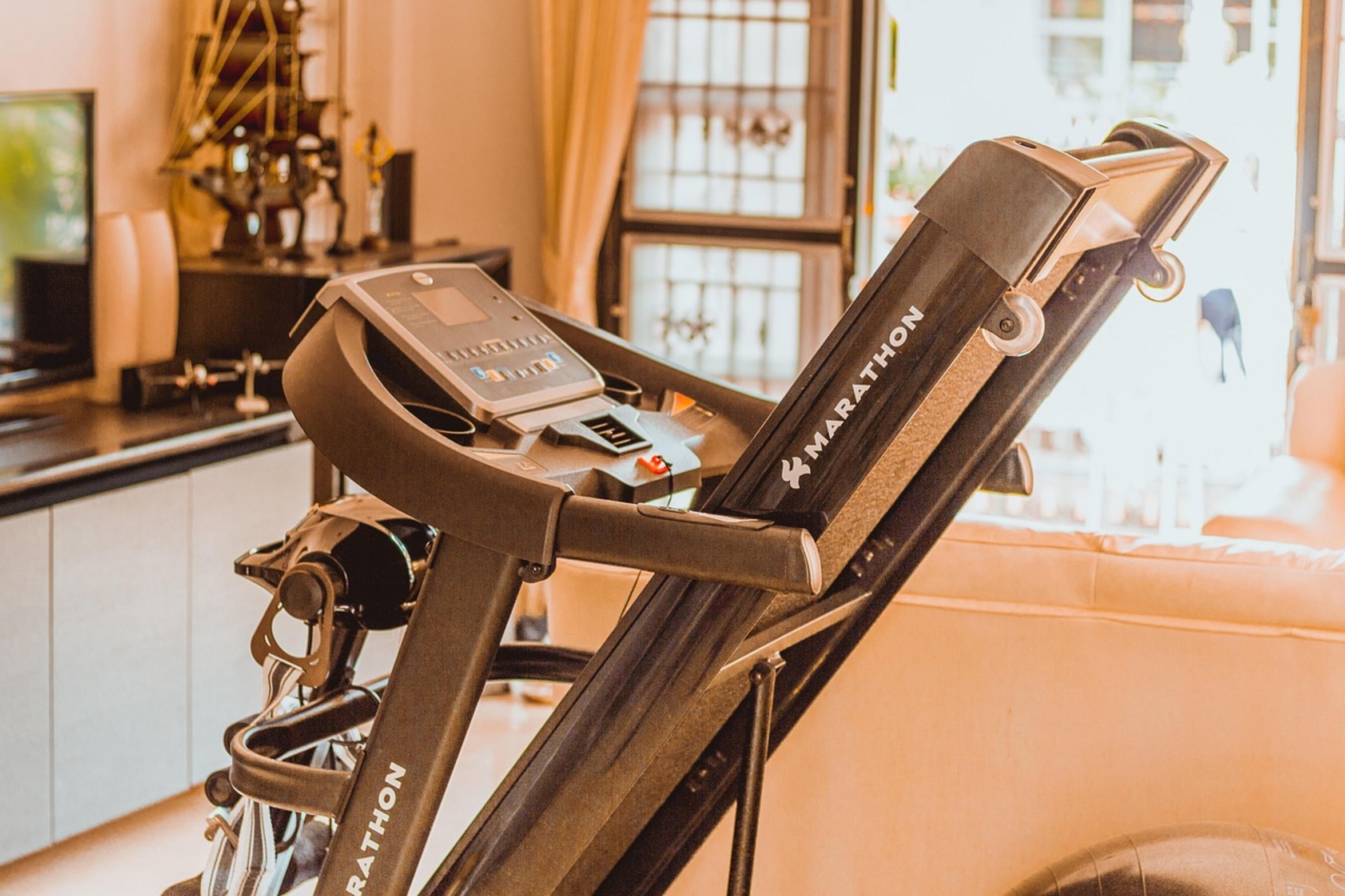
Having a stiff hinge becomes annoying day after day. All the NordicTrack models we mention above come with a hydraulic assist which makes storage easy. Pull a handle and it folds.
Press a button and it unfolds. And it’s important because you’re not going to store this thing if it’s a hassle. Then what’s the point of getting one that saves space?
Prioritizing Your Needs
What do you want out of a small treadmill? You can’t have it all when choosing the best treadmill for you. You have to pick two: the lowest price, the smallest size, or the most power.
Prioritize quality of exercise above everything else by looking at the tread width (deck length) and motor strength. Then look at space savings (you’ll get an additional six inches if you’re willing to sacrifice comfort). The more you use it, the better.
Consistency wins over specs. Run naturaly and keep your room clean.
