
If your home lacks a proper basement (or even if you’re living in a tiny apartment) don’t fret: An odd corner, your bedroom’s closet, or even the area underneath your stairs can be transformed into a workout spot. They might seem like storage spaces but there is no need for a huge garage stocked with iron plates when today’s exercise equipment are made to get the job done efficienty. With a little ingenuity, you can create a strong routine using only twenty square feet of space.
It’s not a problem with motivation; it’s a problem with geometry. That’s why most small gyms fails: the owner buys nice-looking equipement without considering how it fits into the room, then ends up tripping over their dumbbell rack and can’t even get cabinet doors open. What you need is a shift in thinking from equipment purchasing to system design, where each item earn its keep by doing multiple job or dissapears entirely after the workout.
Smart Ways To Maximize Small Home Gym Spaces
Leveraging Vertical Space
Vertical space is the one thing that are always available, but rarely used in a small room. There are almost seven feet between the floor and your head from a standard door frame, what are you going to do with all that space? Turn it into an upper body gym with something as easy as the Iron Gym Ultimate Body Bar.
It take up no floor space and turns every unused doorframe into a pull-up bar, row station, and hanging leg raise station. You have nothing to move. You can do just rows, pull-ups, and hanging leg raises.
Portable Suspension Training Systems
Brands such as Rogue and TRX has portable suspension-training systems that can be anchored to a sturdy beam or even a door. Hang it up, workout, then roll it right into its bag and tuck it in a drawer. What more could you ask for in terms of space efficiency?
From one point of contact, you’ll get core work, chest presses, and rows. It challenge you to strengthen and stabilize your bodyweight, developing functional strength that heavy machines frequent neglect. Then hit the floor, because there is no need for a big rack capable of holding lots of weight.
Space-Saving Adjustable Dumbbells
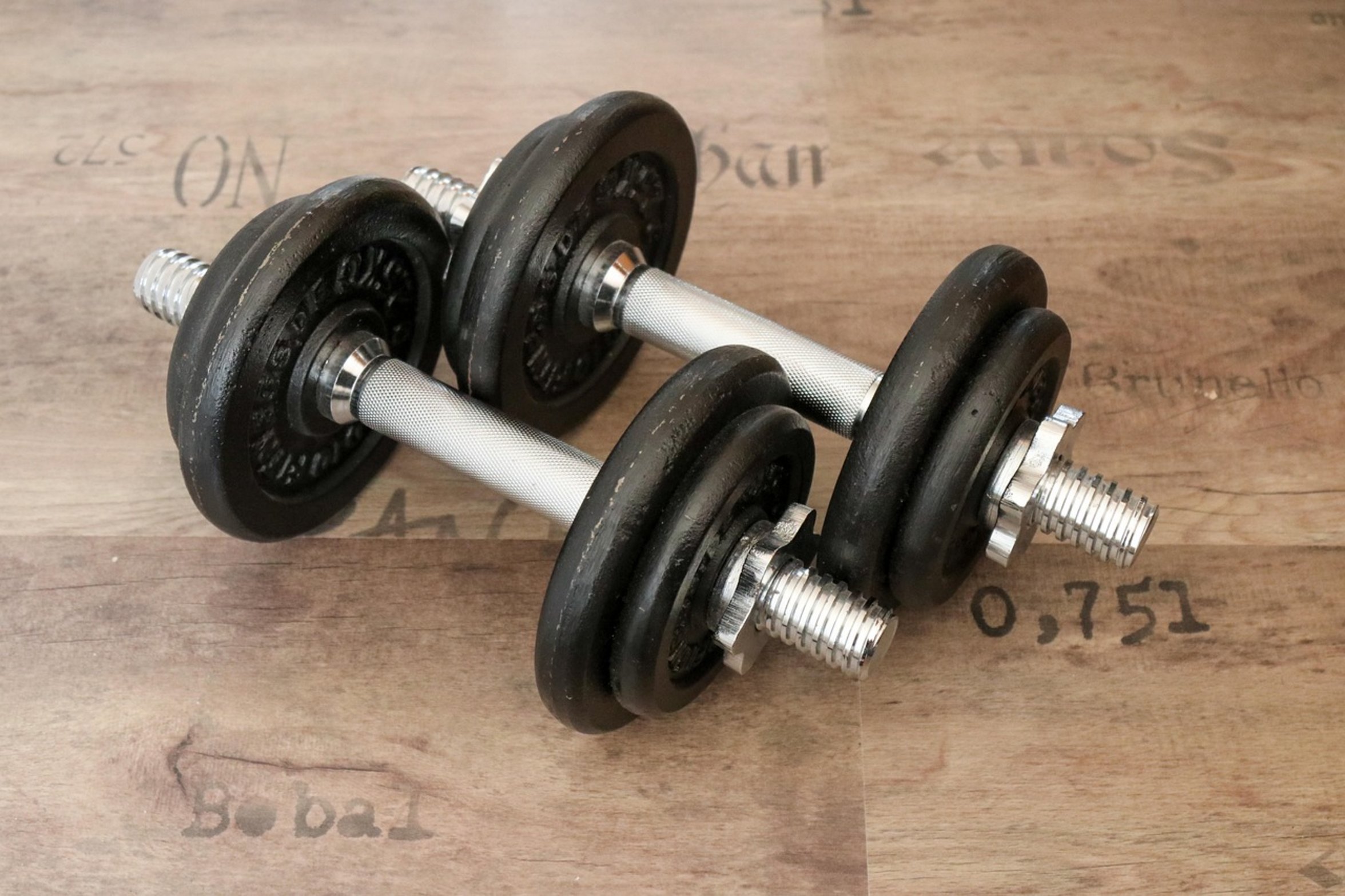
Instead, you’ll use a set of adjustable dumbbells (like the Nuobell Quick-Lock plates or Bowflex SelectTech 552s), which replaces an entire shelf of fixed weights (and click together in mere seconds) while offering a range that typicaly accommodates all your training needs, from five to fifty pounds. That covers ninety percent of what we do at home. You can do it from a small, strong platform or even a low-profile mat that saves hundreds of pounds of footprint, while still allowing for progressive overload.
Compact Cardio Equipment Options
The most difficult items to conceal are cardio machines, and treadmills is the biggest space hogs. Consider something smaller like a rowing machine or a sprint bike. The Hydrow bike tucks up just a bit and is sleek; a simple stationary bike from Echelon or Peloton typicaly take up less space.
If you really want to get fancy, consider a set of kettlebells or a jump rope (these will also raise your heart rate without requiring a separate space at home). With them, you can perform a 20-minute high-intensity interval workout right in the middle of the room and stash them inside a closet door. Small rooms can be made to feel even more confining if they’re dark and closed in.
Using Mirrors and Lighting
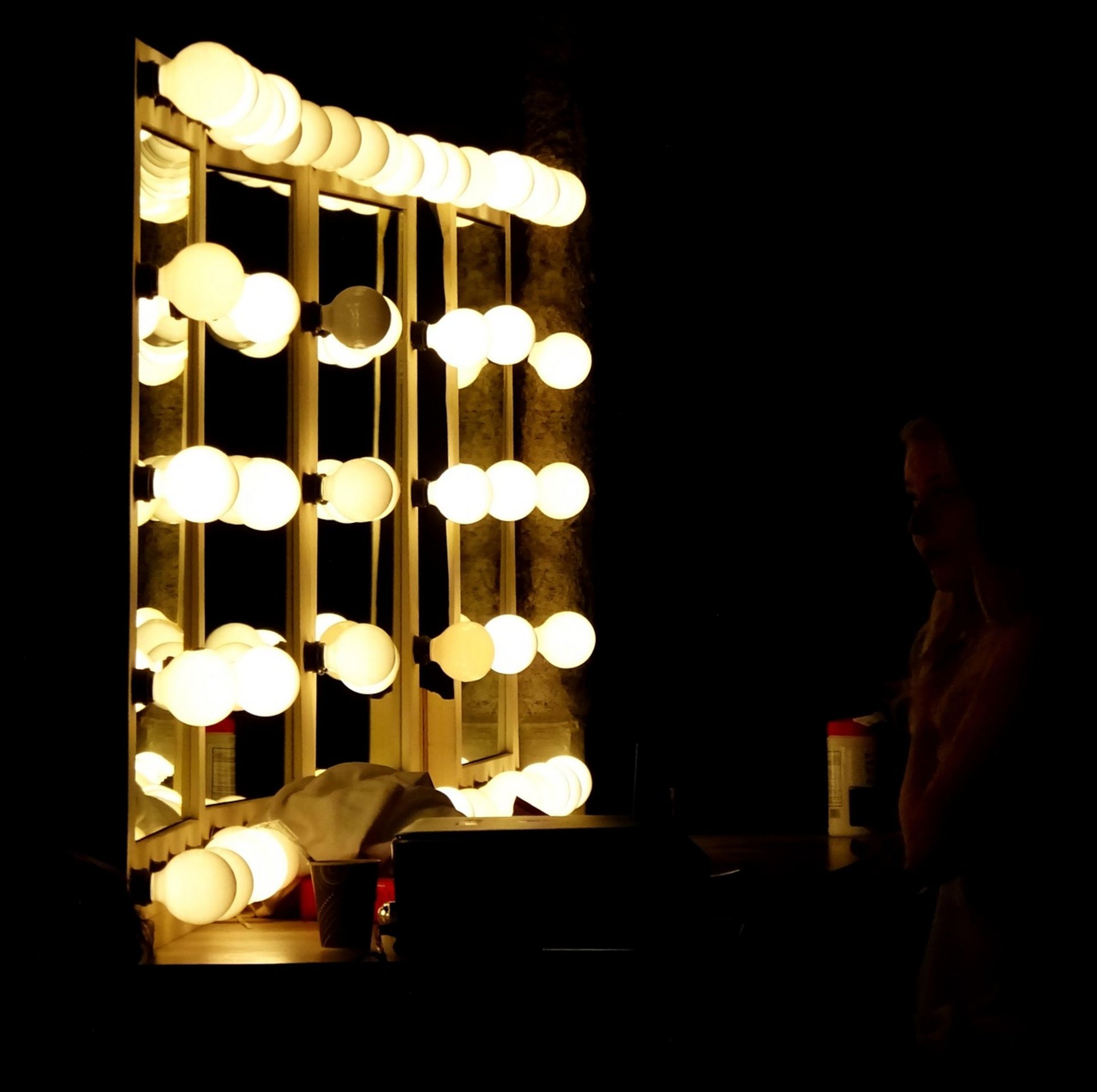
Adding lighting and/or mirrored surfaces will make a space seem bigger! To give yourself some depth (and trick your brain into thinking there’s more space), add an easy LED strip light behind the wall-mounted mirror. Also note that you don’t need a big ol’ floor standing mirror, it’ll help you see your form, plus less stuff in the space = less visual distractions = the space looks smaller and your workout seems more confined.
And lastly, embrace the routine. The equipment is only as good as how consistently you use it. This little gym eliminate the friction that makes going to a bigger gym so tough.
You wouldn’t of need to drive anywhere; you simply walk into the corner of your room and get after it. It forces you to get good with what’s there and be more efficient and creative. You’ll also notice that when your equipement is limited, you get better focused, since you can’t rely on the machine to do all the work for you.
It’s a small space, but the results won’t be.
