
When you walk into most gyms, it can be daunting. There is all that expensive equipment with unfamiliar weight and cable system that look as though they’re going to do something dangerous if you aren’t careful. Walking in there can make you feel like an intruder in a temple of sweat and steel.
A resistance band are easier. It’s simple, flat, and inconspicuous. That simplicity take away distractions and makes you focus on mechanics.
Beginner Guide to Resistance Band Routines
Why Resistance Bands Work
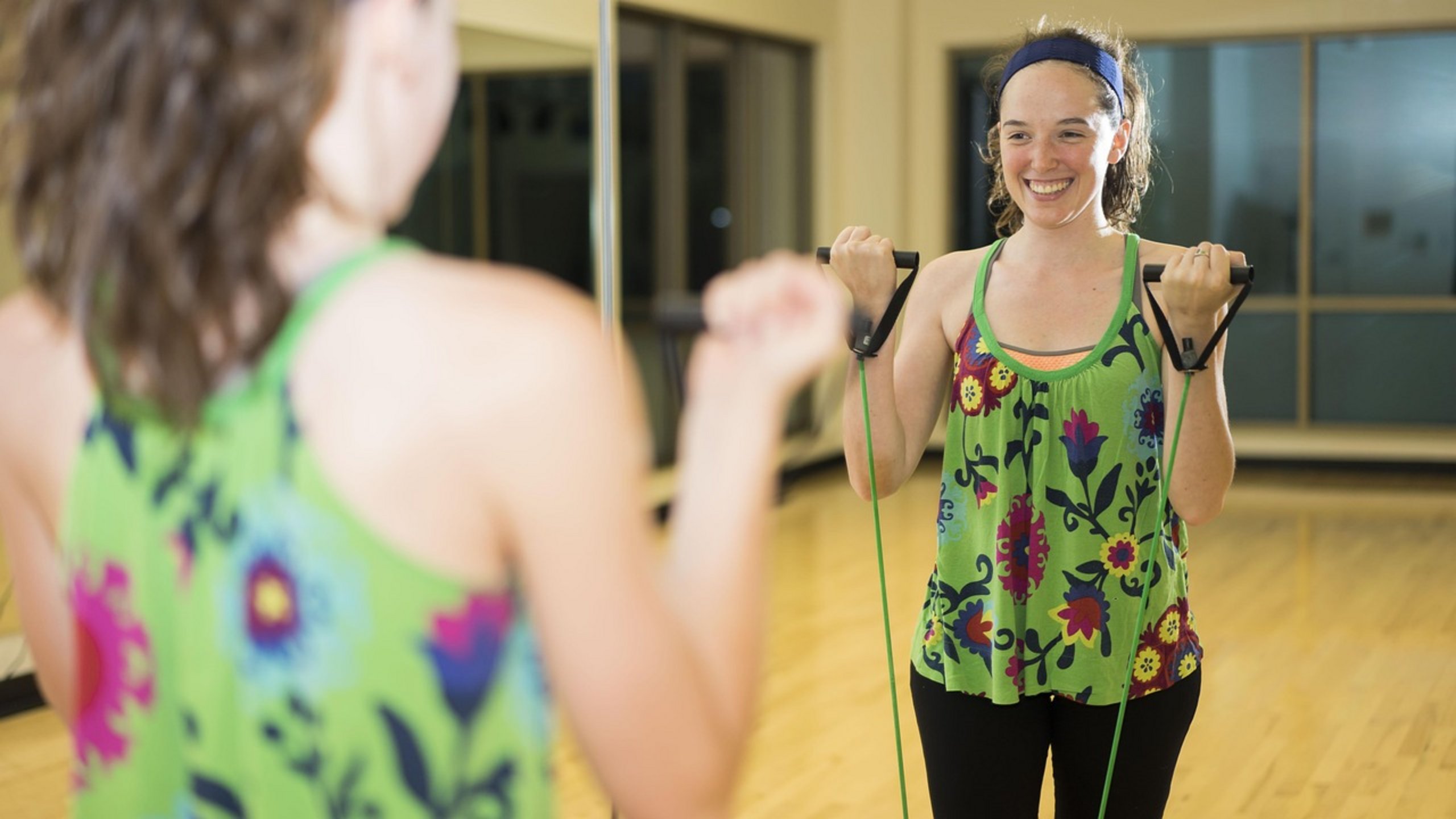
A common misconception among novices is that a band is something you use instead of weights if you can’t lift, or when rehabbing an injury. False. A band create variable resistance, which means it get harder to pull on the more it stretch out.
It mimics your body’s actions better then fixed weight dumbbells do. For example: You’re strongest when you need to be (like at the end of a push-up) and weakest when you least need it (at the beginning). Learning to work with band tension builds stronger muscles in a smarter way.
Bands, on the other hand, look easy enough, but selecting a routine mean knowing how they operate: Bands don’t keep their form, and they want to snap back with violent enthusiasm. To use them well, you have to manage the stretchiness every step along your path. Not only do you want to complete a rep, but you also want to go from point A to point B while still being in control.
That control develop a stability that’s often overlooked by free weights. Start with one of the most important exercises, the glute bridge. Place the band around your thighs (just above the knee) and lie on your back.
Mastering Glute Bridges
Press your knees out against the resistance of the band while lifting your hips. This will activate your glutes and keep the hip stable throughout. It seems simple, so many people omit it.
But it’s not. Constant tension generated by the outward pressure engage hidden muscle fibers. Go slow and keep your core engaged.
Performing Standing Rows
The standing row is great for posture and target the upper back. Anchor one end of the band at chest level and step away to generate some tension. Squeeze your shoulder blades together and pull the handle down towards your rib cage.
This help fix the slouch you develop by sitting at a desk all day long. It creates thickness in the back without a machine or even a bench. Concentrate on using your elbows more then your hands to pull.
That will increases the use of the muscles. The banded squat is essential for leg day. Position yourself on the middle of the band with your feet shoulder width apart.
Executing Banded Squats
Grip the handles above your shoulders. Push your knees outward against the band as you descend into a squat. Doing so will ensure your knees don’t cave inwards.
This is one of the most common form error causing injuries during squats. At the bottom part of the squat, the band will make your quads and glutes work more, where most of strength is gained. To build shoulder strength, do the overhead press by standing on the band with one foot and pressing the handles up.
Doing Overhead Presses
As your arms straighten, the resistance get stronger, testing your deltoids throughout the lift’s arc. Unlike dumbbells, the load adjusts to your strength curve, so you’re never struggling through a weak spot. Brace your core to protect your lower back; keep your ribs down.
Training Tips for Growth
Get a lightweight band and nail down the mechanics without force. You could of impress yourself with a thick band, but you’ll tend to cheat your form. Learn the pattern of motion before adding load.
Focus on slow controlled reps versus fast, jerked around ones; the latter will builds less density. Allow for full stretch and then let the band gradually recoil, this is when you realy grow. Intensity isn’t everything; consistency wins hands down.
Convenience of Band Workouts
These workouts are quick, easy, and portable. Do them on your park bench, in your livig room, or even in your hotel room. There is no setup.
There is no clean up. Take the band with you, and get it done. It is easy to start, so there is no more excuses.
Start small, get stronger, and stay stable tomorrow.
