
I have heard many people say they gets overwhelmed by gyms because all of the machines seem so hard to use and bulky. As a result, many person skip their hip muscles (the glutes) thinking big muscles need big weights. And that’s not true!
There’s another road to bigger glutes that doesn’t involve heavy weight: Resistance bands. Resistance bands is a specialized tool for targeting muscle that iron often misses. The band provides an alternative approach to development.
Effective Resistance Band Glute Workouts For Strength
Why Resistance Bands Work for Glutes
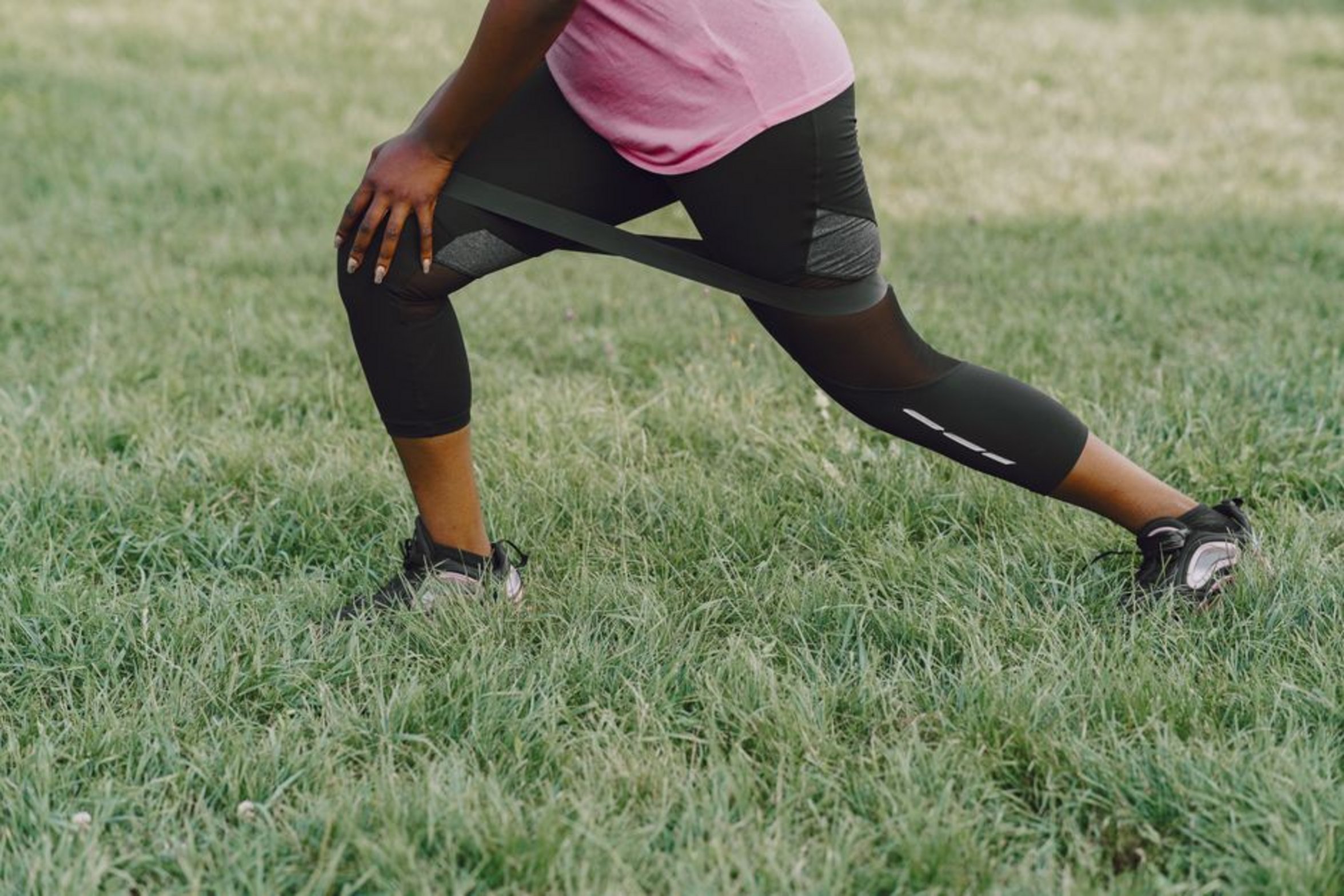
Because resistance bands are cheap and mobile, they’ve become a favorite for workout enthusiasts. Slip a loop band in your gym bag and go (anytime), anywhere. Unlike weight training, using bands require a change in mechanics: There’s no inertial load on the band.
You can’t get away with relying on momentum to swing through reps. Instead, you’re forced to use pure muscle tension against an elastic pull. If you don’t understand that mechanical adjustment, you won’t see gains.
It’s about controlling a variable force, not lifting a mass hunk of metal. Band training hinges off the mind-muscle connection. When you pick up a dumbbell, gravity always pulls it back toward the ground.
With a band, more you stretch it, the harder it becomes to pull. That means it’s most difficult to pull near the end of range of motion. Often that’s also the time your muscle are contracting as hard as possible.
That’s the time you want the stimulus. By pulling against the band, it compels you to squeeze your muscles just when they’re working hardest. When you use bands as an alternative to lighter weight, most people fail to do this.
They treat them like a substitute for dumbbells but don’t slow down their lowering phase and concentrate on squeezing at the peak contraction. Bands make hip thrusts even better at firing the glutes. Put a thick loop band around top of your thighs right below the butt.
Band Hip Thrust Technique
Get into the hip-thrusting posture. Press your knees out to create tension against the band as you push your hips up toward the ceiling. That’s when it fires up the gluteus medius, the side muscle that stabilizes the pelvis.
If there’s no band, then the knees tends to cave inward. Then it robs force from the glutes. The band helps stop that force-leakage.
It forces the power to come from the seat, not the lower back or quads. “Everyone thinks clamshells are easy; they’re not done very well. When most people do them, they don’t even feel it in the side of their hip during reps.
Proper Clamshell Form with Bands
To fix it, it’s all about quality, not quantity. Get a band around your thighs and lie on your side with feet touching. Maintain tension on the band by rotating your top knee up.
When the band snaps back, you’re going to quick. Slow it down until you feel that burn in the hip abductors. It will directly lead to more stability in your deadlifts and squats.
Monster Walks for Functional Strength
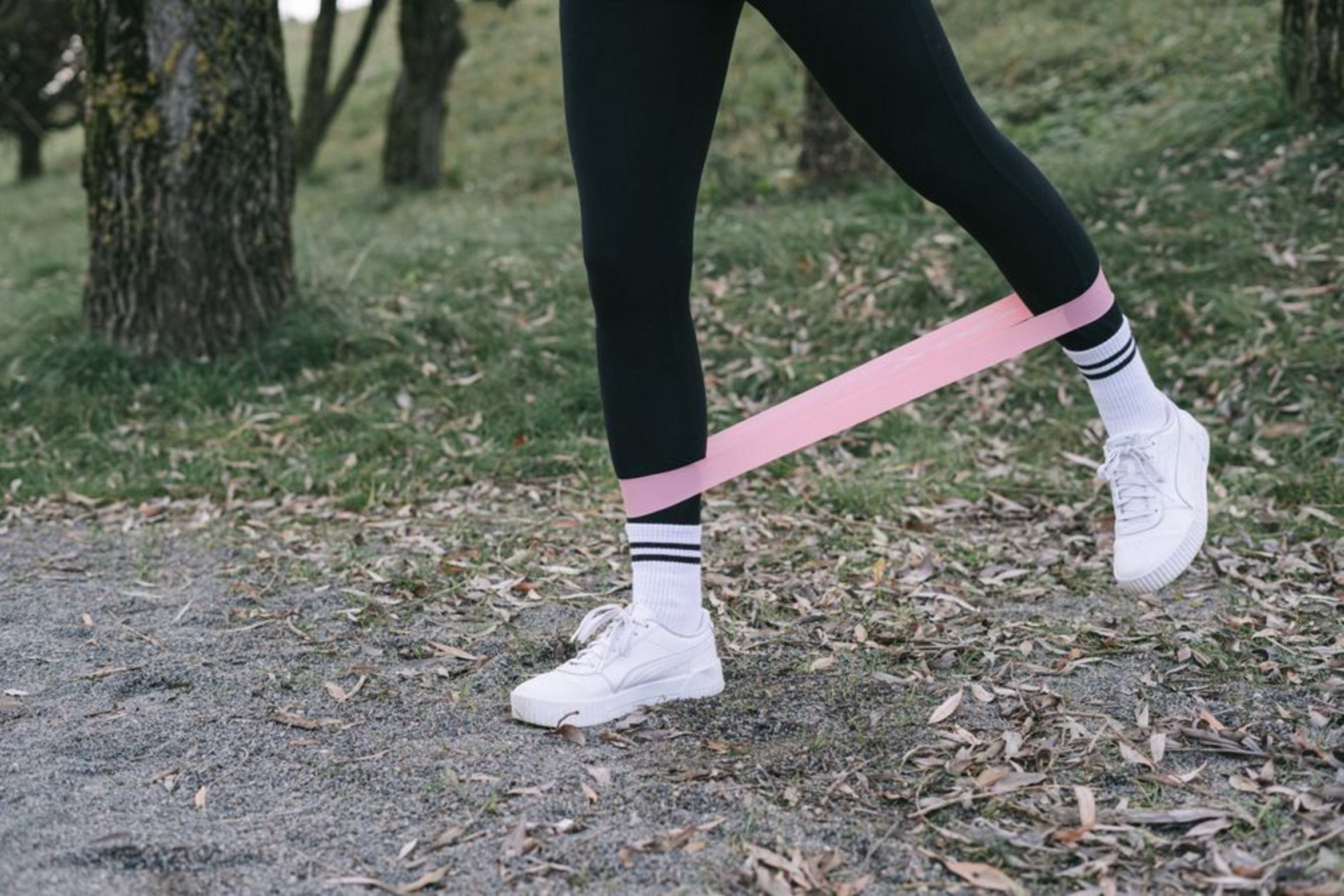
Functional strength transfers to everyday life through monster walks. Loop the band above your knees or ankles, then step out to one side. Maintain a low squat throughout.
You’ll feel isometric tension in your outer thighs and glutes as they try to splay outward but are pulled inward by the resistance. Fight it. Think of it as a metabolic finisher; there’s no slacking here.
Don’t allow your hips to sag or rise too high. Keep your body upright, your core braced. It’ll feel like a big fight with the elastic snap.
Donkey Kicks for Upper Glutes
Donkey kicks work well for the upper glutes. Get on all fours with the band around your knees. Bend one knee at a 90-degree angle, then drive that heel upward toward the ceiling.
As you rise higher, you’ll feel the resistance go up. That increase the squeeze required at the top. Don’t try to get extra height by arching in your lower back.
Everything needs to come from the hip. No spinal movement. It’s a very short-range-of-motion exercise, but it’s extreemly intense.
Consistency and Form Tips
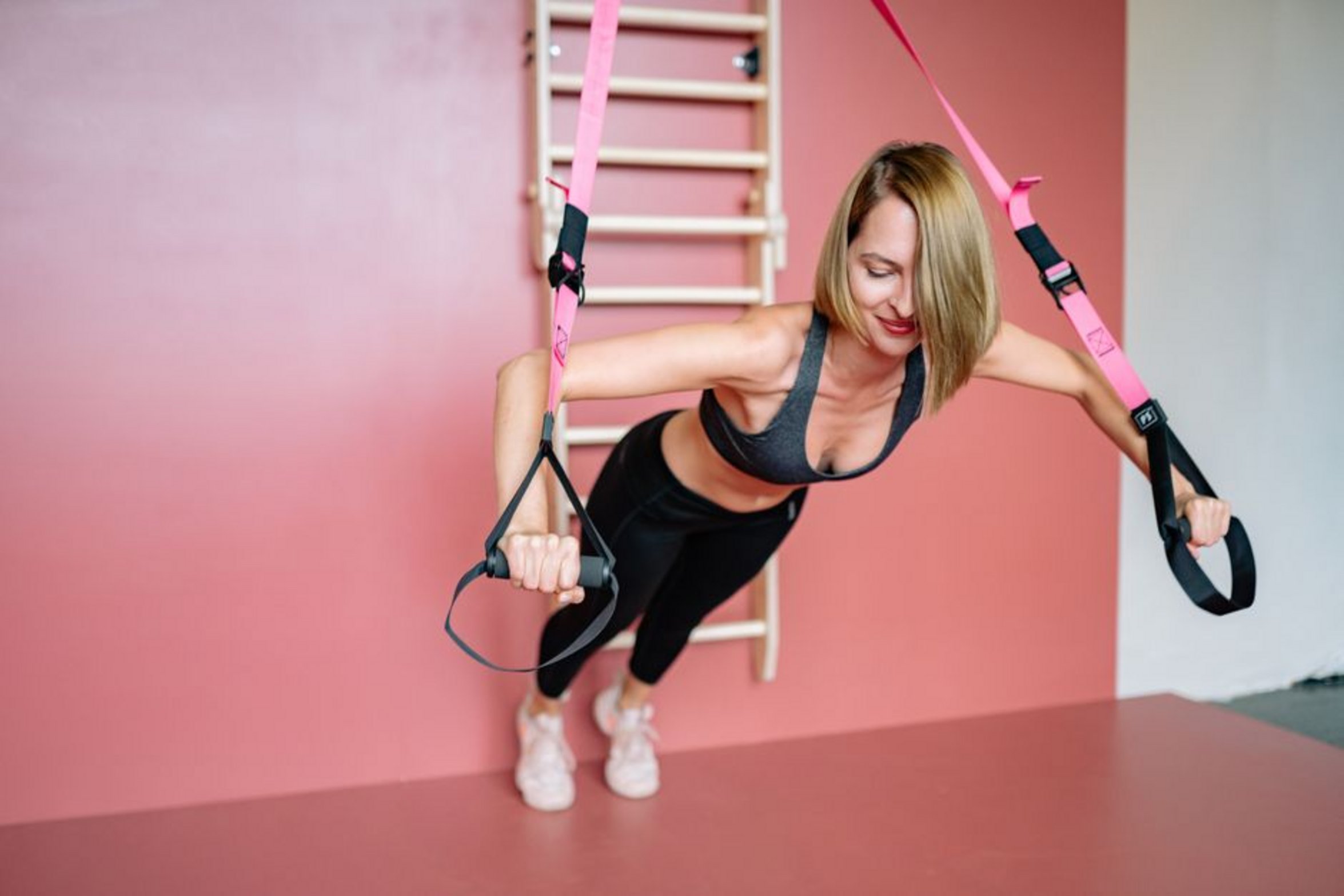
Intensity is overrated. Consistency wins hands down. Don’t kill yourself every time you train.
Better results comes from two or three sessions per week executed with concentrated focus on form. There’s no feedback here except for the tension in the bands. Hear what it tells you.
Squeeze more tightly, move slower and adjust your stance. Remember, the glutes is major movers in humans. Treat them with care and precision and they’ll reward you.
