
I don’t want to hurt after I do it, but I still want to exercise. And cardio is good for us right? But when we actualy do cardio, it can be quite painful.
We gets up on that machine and start moving our feet, but our backs starts to ache. That’s the primary question most people ask themselves: Do I want to ride an upright bike or a recumbent bike? Because all we want to know is what will get me through the session.
Most folks think all bikes is created equal. The spine are different. What you do on bike depends on its geometry.
Is it going to create compression injury or build your fitness? It depend on how you’re holding yourself up. Don’t buy a bike until you know what’s happening.
Recumbent Vs Upright Bike For Back Comfort
Recumbent Bike Benefits and Comfort
It’s about sustainability. On a recumbent bike, you sit in chair-like position. There’s a high-backed seat with your back pressed into it, while your legs stretches out in front of you to pedal.
This distribution of body weight help relieve any pressure on your lower spine and tailbone. It’s generally considered to be safer for those who’ve had previous lower back problems. The support do the heavy lifting so your core doesn’t have to.
That way, you don’t feel any discomfort in your lower back and can concentrate more on the burn you’re feeling in your quads. It’s almost like lounging (so that is why it was designed that way). The upright bike replicates what it’s like to ride a regular bike.
Upright Bike Challenges and Risks
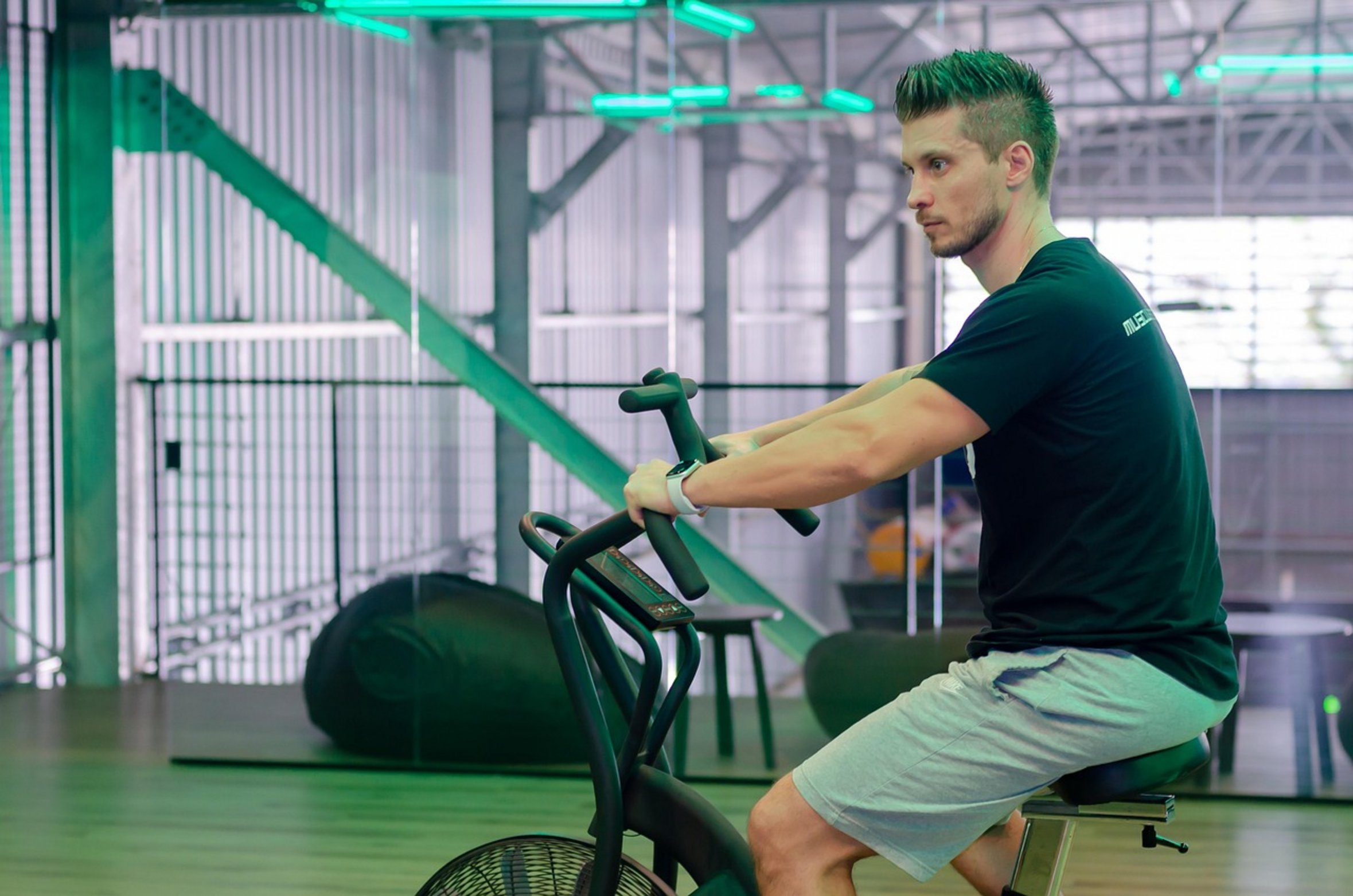
You slouches down over the handlebars while sitting in narrow saddle. This puts you in an awkward position that uses your core stabilizers more heavily than alternatives. In fact, you’re consciously supporting yourself.
While this sounds good in theory, it can be harmful if you already have back issue. When leaning forward, your spinal discs is compressed. Over time, this takes a lot of stress off your lower back and hips.
Plus, if you aren’t very limber, you could end up rounding your shoulders. This prevents you from getting healthy workout. It is also counterproductive because you are competing against yourself rather than the resistance.
Muscle Targeting and Calorie Burn Differences
This has large benefits, as it’s obvious what muscle are used. With recumbent bikes, your legs takes most of the load. Your quads and hamstrings will be doing most of work.
Your core and glutes has a small supportive role. If you’re recovering from an injury, this isolation can be good for you. It strengthens individual muscles while avoiding spinal irritation.
Your upper body isn’t involved so you’ll still get a good leg workout. It’s a targeted exercise that works with physical limitations. Upright bikes requires more of your upper body.
They require the user to engage their shoulders and arms to help support their weight. Because of this, the entire body burn more calories. During the same period of time, you may find yourself sweating more on an upright bike.
Over time, this will translate into improved posture and balance, especially if your core are engaged. That’s the good news. The bad news?
It’ll cost you big bucks at first. For those with a compromised back, it’s unwise to add that additional load. Increasing the difficulty means you’re sacrificing comfort for intensity.
Be sure to determine whether or not you could of afford that trade.
Price and Space Considerations
Finally, it usually comes down to price and space. Recumbents tend to be larger/heavier.
They take up their own corner of a room. Because they have that long seat, the bike takes up a lot of space. They’re also typically more expensive (upfront).
On the other hand, uprights is more compact and cost less. They fits easily into smaller apartments or under desks. If you don’t have much space, then the logical choice on practical grounds is the upright bike.
How to Choose the Right Bike
That leaves you comparing the physical comfort of lying down versus the pragmatic realities of where you live. If at all possible, go test drive the bike before purchasing. Sit on the seat and feel how wide it is.
What’s the angle of the back rest? How does it feel to pedal moderatley for at least five minutes? Where do you feel tension in your body?
Do your shoulders wants to rise up near your ears? The handle bars must be too high. Does your back feels unsupported?
Perhaps you need to adjust seat on the recumbent. The truth will out, your body will let you know what works best for you. The marketing won’t.
Find the machine that vanishes while you’re riding it. You should feel it working in your legs, not in your spine. It’s the only metric that realy matters.
