
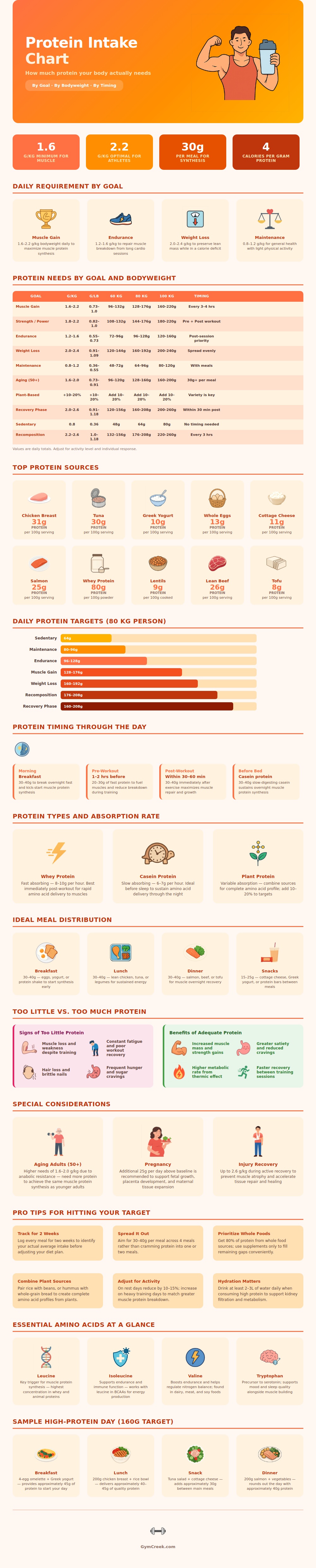
Protein is one of the fundamental nutrients that the human body requires. Protein provide the amino acids that the body requires to build muscle, skin, and hormones. People often get conflicting advice from the media and fitness industry about whether the person needs a large amount of protein or if the official guidelines is sufficient for an average person.
There is no set universal amount of protein that each person should consume because each person’s protein requirement can change based off they activity levels. Protein is a structural requirement for the body; the body requires protein to repair the microscopic damage that their muscles experiences while training. If they dont consume enough protein, the body will stall in the repair process, and the person may feel sluggishly and not experience the changes to their body that they require.
How Much Protein Should You Eat?
The protein that a person requires also changes depending on the goals that that person has for there body. For example, if a person is trying to lose weight, they may need to increase their protein intake. Increasing the amount of protein that a person consumes will protect their lean muscle from being use as fuel and will ensure that their weight loss comes from fat.
Protein timing is important for the body, but many people overcomplicate the topic of protein timing after exercise. While the body requires protein after exercise, it isnt required to be consume immediately after exercise. The body can only take in so much protein in one eating sit.
If a person consumes all of their protein at one sitting, their body may not be able to utilize all of that protein efficient. Therefore, by spreading the protein consumption throughout the day, the body will be in an anabolic state, which allow the body to build and repair its tissue. The type of protein that a person consumes is important.
Different type of protein have different rates of being absorbed by the body. Whey protein is fast-digesting so that it can quickly enter the bloodstream after consuming whey protein. Casein protein is slow-digesting; it will continuously provide the body with amino acids over a longer period.
For example, fast-digesting proteins can be consumed after a workout to quickly spike the level of amino acids in the bloodstream, whereas casein protein can be taken before bedtime so that their body still receives the amino acids needed while they are sleep. For those who rely on plant-based protein, there are some additional steps that a person must take to ensure that their protein is providing their body with the amino acids it need. Plant-based protein is lacking in some essential amino acids.
However, if a person combines the wrong plant-based proteins, the plant-based protein can be complete in terms of amino acids. For example, beans and rice contains all the essential amino acids when combined. Additionally, because plant protein is lacking in some cases in the same amount of bioavailable protein as animal protein, a person who consumes plant protein must consume a higher volume of it.
If the person does not consume the appropriate amount of protein, there may be some symptom of protein deficiency. For example, protein deficiency can lead to brittle nails and thinning hair because the body is utilizing its protein to maintain vital organ. A protein deficiency can also make a person feel lethargic because the body cannot properly repair the microscopic damage cause during exercise.
In order to avoid protein deficiency symptoms, a person can track their protein intake. Using this baseline value for their protein intake, they can incorporate more high-protein foods into their diet such as lean beef or tofu to ensure that their protein intake reaches the targets that their body require.
