
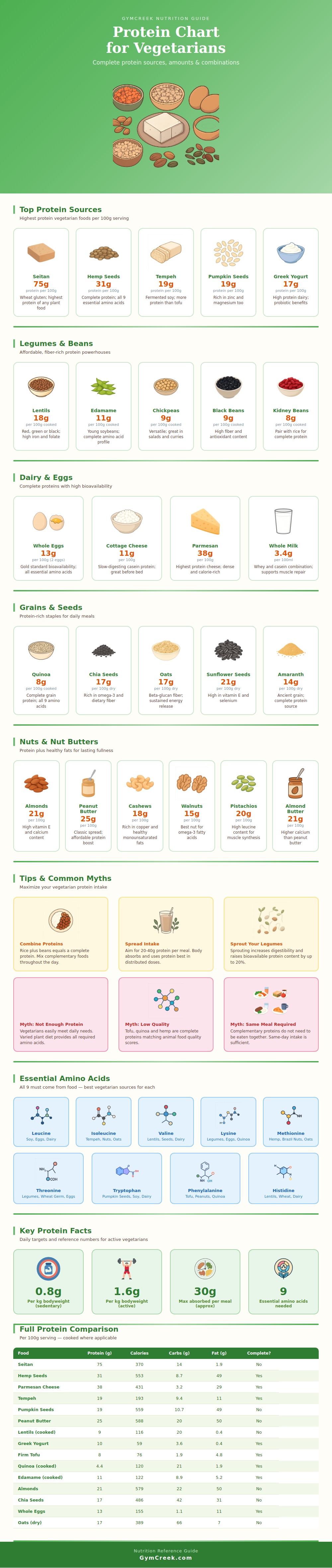
Proteins is a nutrient that you must consume to support your body, and more specific, to support the repair of you’re muscles. Many vegetarians is worried that the protein that they do consume will not provide them with enough amino acid to allow there body to function properly. Amino acids is the building blocks that make up the body’s muscle, tissues, and organs.
There are nine essential amino acids that the body require, but that it is unable to create itself. Therefore, individuals must consume foods that contains these essential amino acids. Some vegetarian food contain all nine essential amino acids.
How Vegetarians Can Get Enough Protein and Amino Acids
Foods like quinoa and hemp seed is two of those foods. Other vegetarian foods does not contain all nine essential amino acids. However, there are ways to ensure that your body receive all of the essential amino acids that it requires from vegetarian food.
Foods that do not contain all of the essential amino acids can still work together to provide all of the essential amino acids. For instance, rice and beans contains different amino acids that work together as a complementary protein to provide all of the essential amino acids that the body require. You dont have to eat complementary protein at the same time or in the same mouthfuls.
The body will naturaly maintain a pool of amino acids that can be use to build the proteins that the body requires. Therefore, as long as you ensure that you eat a variety of protein source throughout the day, your body will meet its daily requirement for essential amino acids. In addition to considering which vegetarian proteins you eat, the volume of food that you consume also has an impact on your ability to meet your protein targets.
For instance, many individual attempt to meet their protein targets through the consumption of large amount of lentils. However, consuming large amounts of lentils may make an individual feel too fully before meeting their protein targets. Seitan, which is a source of concentrated wheat gluten, can be used to help meet protein targets without consuming large amount of food.
Another factor to consider is the bioavailability of the protein in the foods that you eat. Bioavailability is a factor that determine how easy the body can absorb the protein from the foods that you eat. The body will absorb foods high in bioavailability more easy than foods that have lower bioavailability.
Foods that contain high bioavailability of protein includes foods like Greek yogurt and cottage cheese. For vegetarians who do not consume dairy product, tempeh is a food that contains high level of bioavailability. Tempeh is a fermented food, and the body more easily digest fermented food than non-fermented food.
Additionally, sprouting legumes can improve the nutrition of the food that you eat. Sprouting legumes will unlock more protein within the legumes, and will also make the body digest the legumes easier. The amount of protein that an individual should consume each day depend upon the activity level of that individual.
An individual that is inactive will require less protein than an active individual. An active individual should include foods like nuts and seed into their diet. Not only do nuts and seeds contain protein, but they also contain fat that will help an individual to feel full throughout their day.
For instance, foods like almonds and peanut butter contains protein and fat that will help an individual to feel full. Finally, ensure that the protein that you consume is spread throughout the meals that you eat each day. Instead of consuming all of the protein that you require within one meal, spread your protein intake across three or four meal throughout the day.
This will ensure that your body can absorb all of the nutrient effectively.
