
So you just got a Peloton bike out of the box and are panicked by the fact that these pedals is not like your normal gym shoe. When you step on it, does your foot slide? Does it seem like resistance isn’t realy connected to what you’re doing?
This annoying stuff prevent you from getting serious with it. The solution is correct shoe. But how do you know which one to get?
Guide to Finding the Right Peloton Shoe Size
Why Proper Fit Matters
Cyclists typically size down, while Peloton riders are more likely to size up (or switch brand entirely). That leaves a void. There’s no way to know for sure.
If it’s too small, your toes goes numb halfway through 45 minute climb class. Too big? It decrease power output and increases likelihood of injury.
The ideal fit feel like an extension of your leg. It should of not feel like slipper or a vice grip. The key to unlocking Peloton shoe sizes involve understanding their dual-bolt system: the pedals take either SPD or Delta cleats, the industry standard (from Shimano and Look) vs. Peloton uses its own system.
Understanding Cleat Systems
That make for a more compatible pedal, but makes deciding on shoe size a bit tougher. First of all, you should be aware what kind of cleat comes with your shoe; then reference the size chart. Peloton’s own shoes is mostly Delta, which have their own size system.
SPD (which is found on most third-party shoes), adheres to traditional cycling standards. Getting this wrong will result in frustration and return trip. Many people make mistakes based off the sizing of the Deltas.
Sizing Peloton Delta Shoes
For instance, Peloton’s shoes themselves can be different than street shoe sizes. Some are small and others are large. And Peloton shoes is small compared to some other cycling brands.
It’s confusing to the customer. Street shoe size is more of a loose guide than a hard-and-fast rule. If you’re a size ten runner, try a nine or nine-five in Peloton Delta shoes.
That means no dead space in nylon sole, which is stiff and unforgiving. But there should be enough room to allow for swelling of feet during hot workout. Finding that balance are key.
Sizing Third-Party SPD Shoes
Third party SPD shoes has their own rules. Since those brands target actual road cyclists, they is dominated by brands like Sidi, Specialized and Giro. They all use traditional cycling sizes, typically sizing one-half to a full size down from your street shoe.
For example, when purchasing Giro Empire SLX shoes, go straight to Giro’s own fit guide; don’t rely on Peloton’s. Peloton’s generic advice on their website doesn’t account for each brand’s last. Always refer to the specific model you’re interested in.
Trying Shoes On Properly
A size ten shoe from Shimano won’t be the same as a size ten from OneAL by Peloton. You gotta try them on. Size charts are great (although online ones don’t think about foot shape), but your feet might be weird.
Your feet may be realy high volume or narrow or have prominent bone that need extra room. If possible, go to your local bike shop. Try it on.
Clip in. Walk around. Feel for hot spots.
If going to the shop isn’t an option, at least get two different size from an online retailer with a solid return policy. Take a quick spin. Ten minutes of hard rides will make a size nine feel like a size nine and a half.
The Impact of Socks
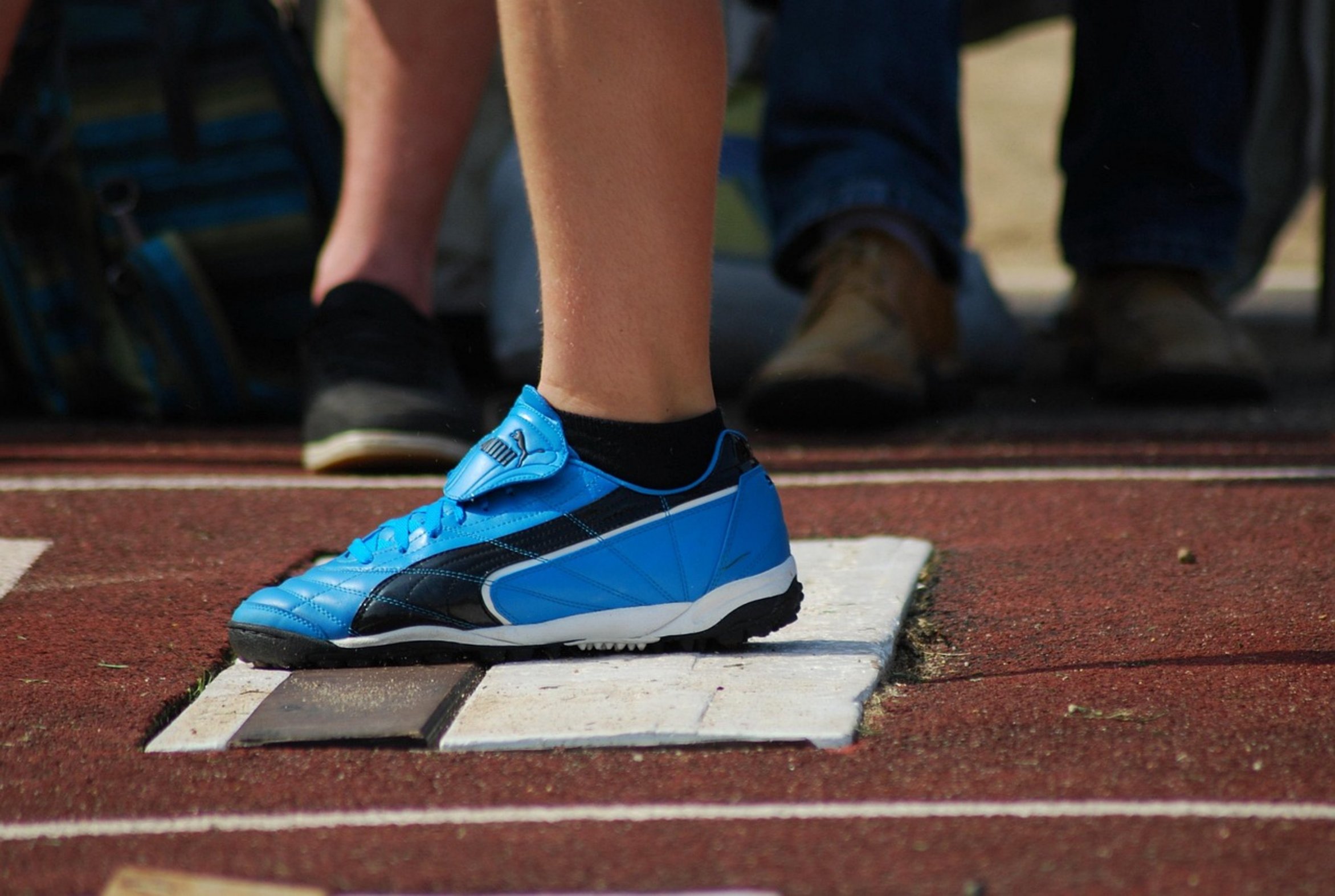
Here is one other point on sock fitting. Thick athletic socks will change the internal volume of shoe significantly. When trying on, put them on with type of socks you’ll be wearing riding.
That way if the shoe fits fine sockless but uncomfortably snug with your riding socks, you won’t make the all too frequent mistake of purchasing a pair and having to send them back. It is a little thing that keep you out of the post office. What you’ll notice: Time spent sizing will pay dividends soon enough.
After that toe firmly clicks into the pedal, each push move straight through to the flywheel. Your ride gets more efficient, smooth, and pain free. No more wasted brain power worrying about slipping; now you can concentrate on following the cues from your instructor.
The right size turn a mechanical connection into a seamless extension of your body. It is a powerful ride versus a frustrating setup.
