
For people who own the Peloton bike, it’s not just piece of equipment, but rather new type of purchase: a subscription to an experience. If someone asks you how much your bike costs, you probably think it’s a one-off number. But it’s not that simple.
It’s an ecosystem. Buying it are an entry into that ecosystem, and the sticker price is simply entry fee. To understand the full cost, you need to look at more than just initial price.
You must also consider accessories, recurring fees, and long-term commitment. What I’ve noticed with most consumers is they fixate on the initial investment, not realizing that real money is found in the recurring subscription. Let’s start with first price: how much it cost.
Understanding True Cost of Owning a Peloton Bike
The Peloton Ecosystem and Entry Fees
A standard Peloton Bike sells for $1,445. The newer Bike+ model run higher at $2,495. And there’s no wiggle room here.
Initial Hardware Purchase Prices
Unlike used exercise equipment that might be on sale, these bikes doesn’t adjust to the market. It’s whatever Peloton wants. Whatever Peloton charges, you’ll cough up.
It’s an expensive price tag. You’re buying into the sleekness, the quality construction, and perfectly integrated experience with the app. The bike itself look nice.
The screen is responsive and colors pop. The system accurately keeps tabs on all your stats. That portion of bill is clear.
You give them your money, they give you their bike. But then comes messy part, and it starts right after you buy. But the killer is the price of monthly subscription.
Monthly Subscription Costs
You need to pay for the Peloton app to realy get any benefit out of it. If you don’t subscribe, your fancy new bike becomes a very large and uncomfortable piece of equipement. The cost of the basic subscription are $44 per month.
That’s for all the content and all the classes. You can technicaly use other apps with the bike, but that defeats most of the purpose. You’re not going to get the curated class selection, the leaderboard, or all the cool stuff displayed right in front of you on screen.
And yes, most people is shelling out the $44 each month. And they do so, again, each month. That money racks up fast.
At $44/month, over the course of a year, that’s $528. Throw in cost of the bike ($1,445) and you’re up to almost two grand in the first year. Consider, instead, a gym membership.
Convenience vs Gym Membership
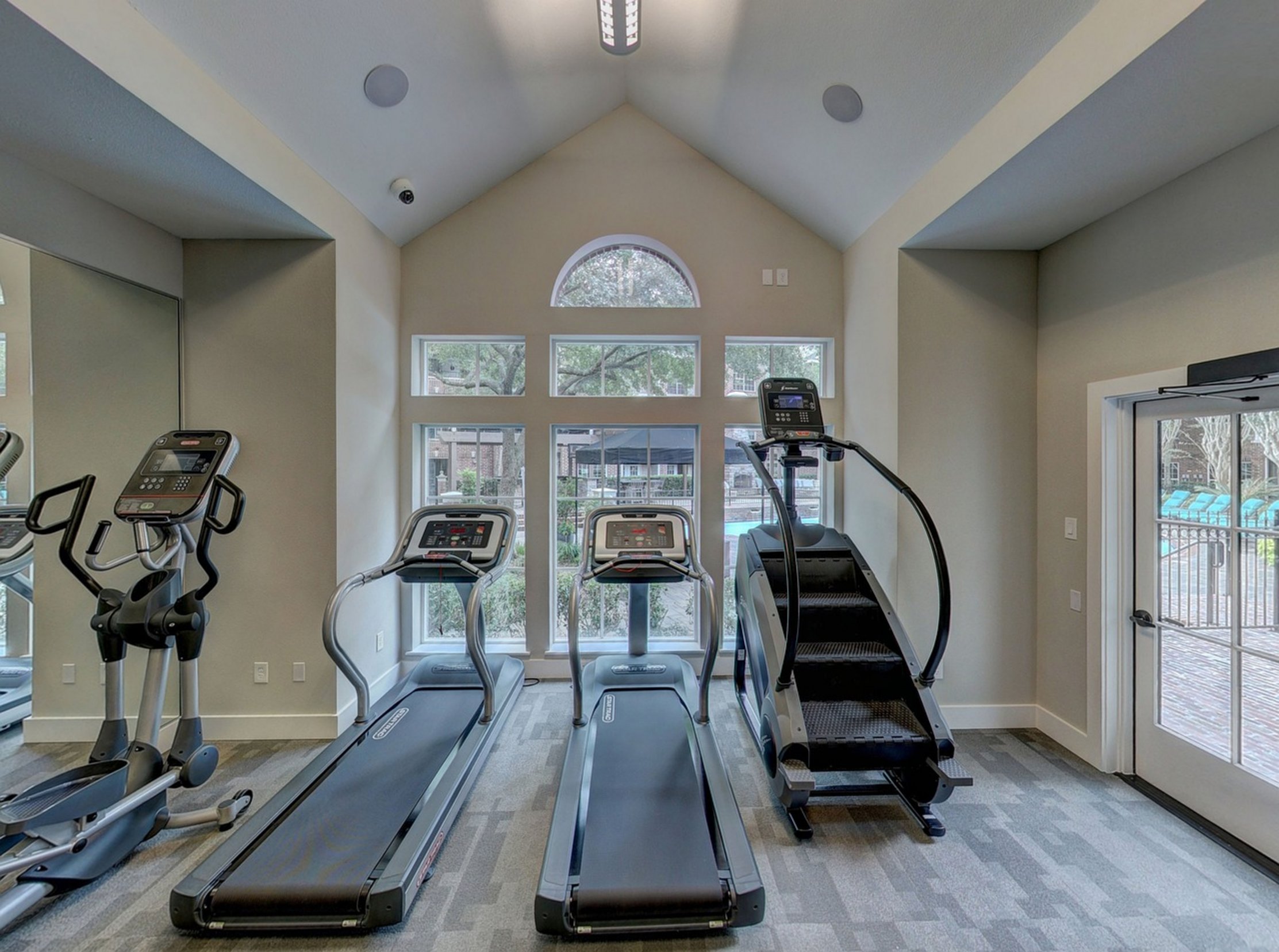
At fifty bucks per month (or a hundred, if you prefer a nicer gym), most gym memberships isn’t cheap. The Peloton fee is toward the high end. Yet unlike the gym, you have unlimited access, anytime from home.
No more fighting traffic during peak hours. No more time spent traveling to the gym. That convenience must be worth something, right?
It isn’t free. In return for knowing what you will pay, you give up physical space. There’s the bike in your living room.
And there’s monthly bill. Whether or not you use the bike. And then there’s all additional costs for accessories.
Hidden Costs and Accessories
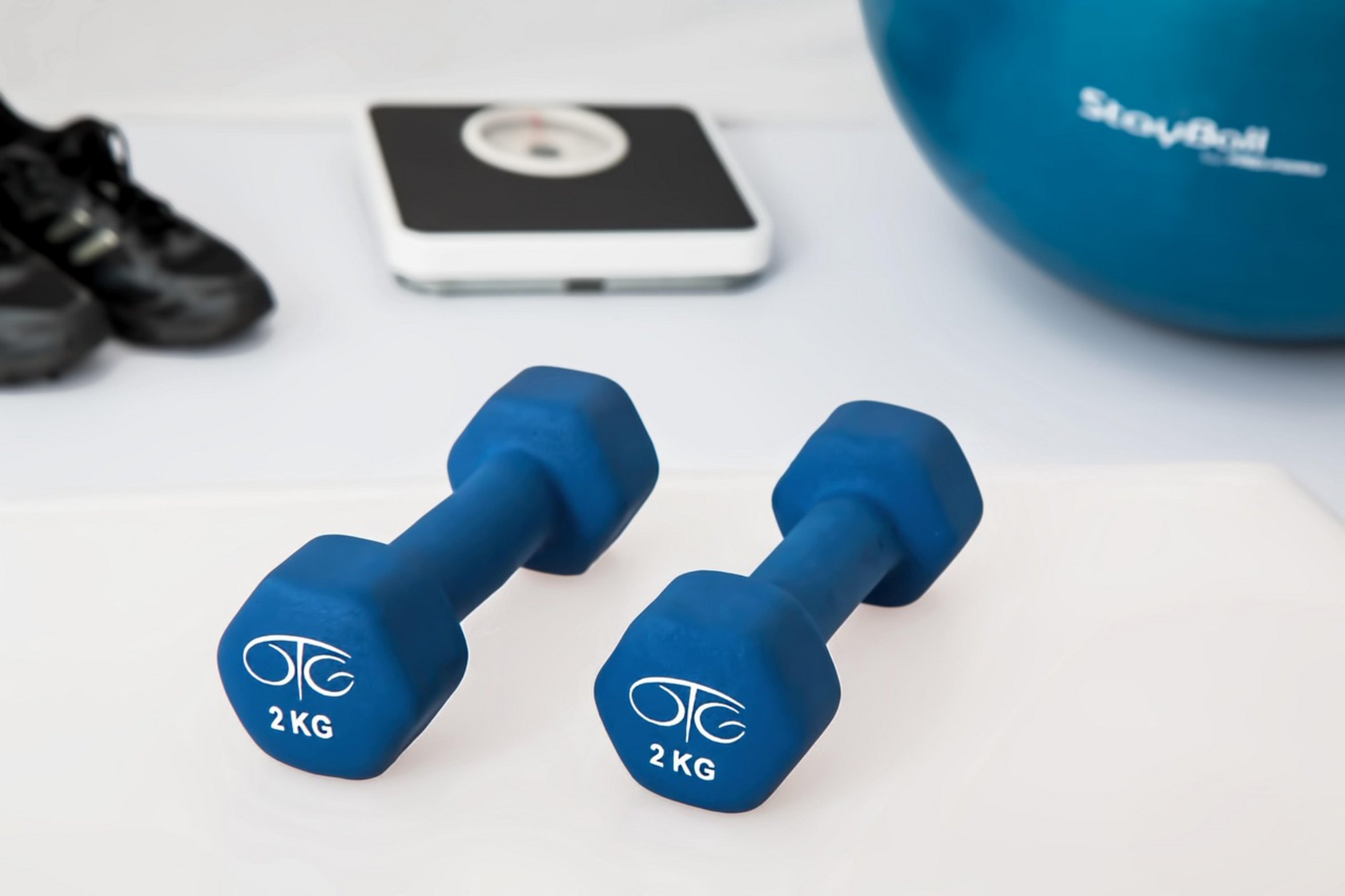
Compatible gear makes for a better ride on this bike. Official weights enhances the experience. The resistance bands and hand weights can slots in to the screen workouts, too.
There’s a mat that keeps your feet off the ground and saves your floor from wear and tear. If you share a space with someone, you may need some headphones. None of this stuff are mandatory.
Yet it all enhances the experience. And all adds to the price tag. A hundred bucks plus just for the weights.
Another fifty for the mat. Before you know it, you’re buying them because they improve the experience. Each little purchase feel like a no-brainer.
It feels like a necessity. It is part of whole thing. Before purchasing the system, consider the trade offs.
Vendor Lock-In and Commitment
It lock you in. Your data resides on their platform. Your progress lives in their ecosystem.
It’s hard to switch away. You lose your place in the community. Your progress statistics is gone.
Their hardware are proprietary. There is no swapping out that generic resistance knob. You are committed to their path.
This structure work for some people as it holds them accountable. They like that their community keep them consistent. Others feel restricted by the locked-in structure.
That large upfront price force discipline. Spend $2000+ and then bail in three months? Ouch.
A bike doesn’t motivate anyone. It has to be something you want to do. Consider the cost of ownership before purchasing.
Is the Peloton Worth It?
Cost isn’t limited to what you buy. Count the subscription costs. Plan on buying some accessories.
Consider how often you’ll use it. Will this fit within your budget? How do your habits match up?
Is your schedule erratic? Then maybe the cheaper option would of worked out better. Does your lifestyle support daily usage?
Yes? Great. The quality and convenience makes it worth the money.
No? Think twice about committing. A Peloton is a lifestyle choice.
You’re going to pay for it, and commit a chunk of your house to it. Are you prepared for that commitment? The bike is no better then your desire to ride it.
