
In most gyms, the leg press machine is one of those pieces of equipment that everyone knows about. They’re usually positioned where people can show off. It’s one of the more straightforward machines out there: Load up some plates, plop yourself in the seat and push.
However, just because something is easy doesn’t mean it’s simple. Many lifter use it as an “easy” substitution for squats. They’ll pile weights onto the machine with no thought towards proper mechanics and end up straining their back or wasting time.
Many lifters treat it like a lazy squat alternative, stacking on weight without considering the mechanics. The leg press have serious potential, but it must be respected and used correctly if it wants to perform its job. Knowing exactly which muscle are firing throughout the exercise will help you program the machine accordingly.
Understanding Muscles Targeted By Leg Press
Muscles Worked During Leg Press
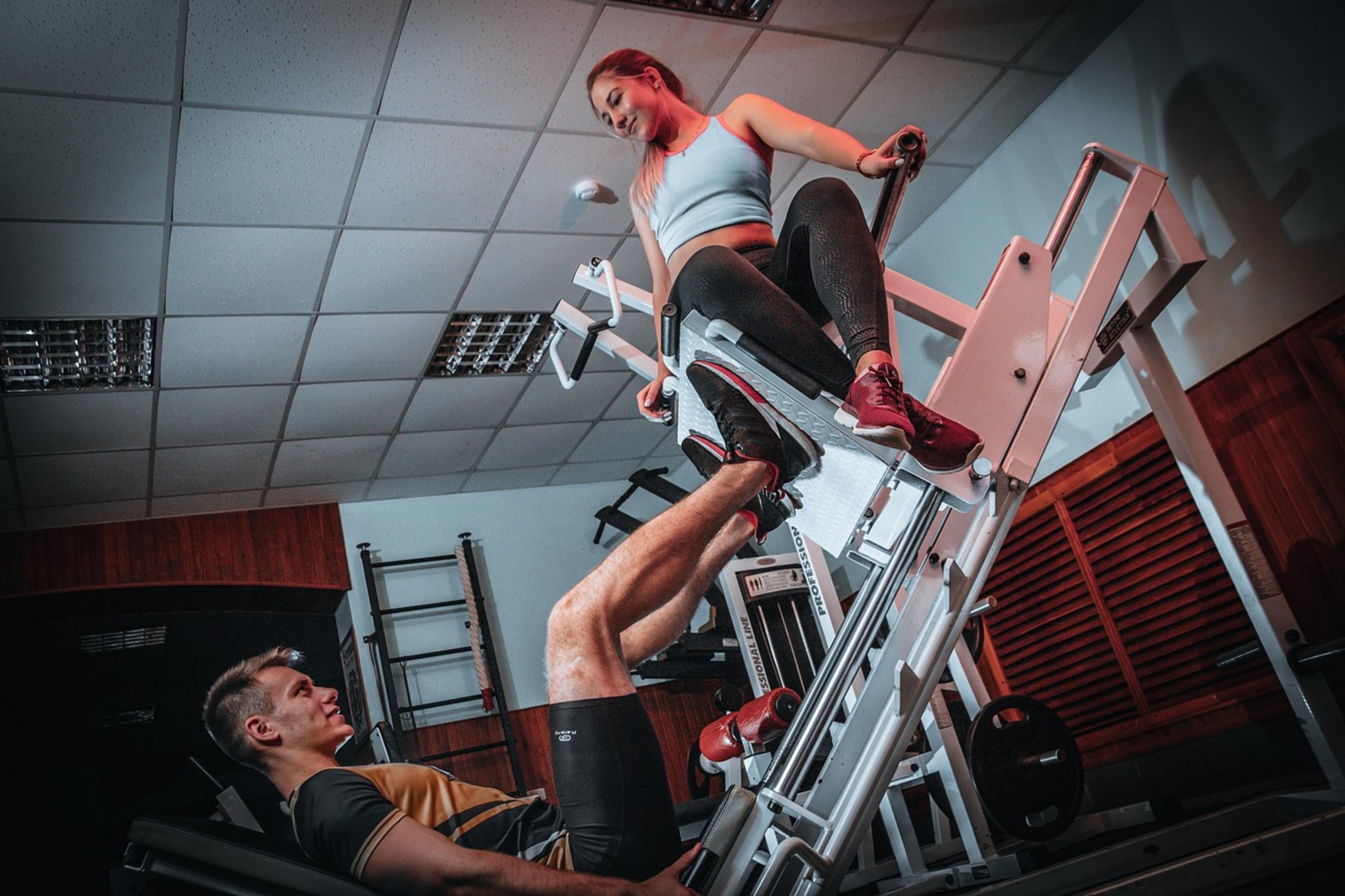
A leg press isn’t just another way to fill up your leg day; it becomes a purposeful muscle-building or strength-building tool when you learn how to use it propery. If you have ever seen someone do the exercise, the main movers are pretty apparent. On the front of your thigh sit the quadriceps which extend (push) the knee when you push the platform away from your hips.
Additionally, the glutes play a big role in first part of the push where they aid in extending the hip. They also pushes the weight up and away. That means that the leg press is a compound exercise; it works multiple joints simultaneously.
It isn’t an isolation quad exercise. The working together of the hip and knee extensor muscles produces a large force output. This is why the numbers on the rack can be so impressive compared to free weights.
And why it seem like such a big difference. That said, foot placement completely alters the equation, and most folks place their feet shoulder-width apart, right in the middle of the platform. That’s balanced; it gives both the glutes and the quads a good workout, and it’s the default stance for a reason.
Foot Placement Variations
It’s close enough to natural to be efficient, and it doesn’t demand perfect balance. But when you move your feet further up on the platform, you begin to engage your glutes and hamstrings more. You also reduce knee bending, putting less strain on the quadriceps.
If your quads are already shot from doing squats, this is a handy little trick that lets you train the posterior chain while avoiding a wrecked front of the thighs. This also protect your quadriceps so you can do more training volume. However, putting your feet out wider and lower hits the inner thighs harder, making the adductors (the muscles running along the inside of your leg) the dominant movers.
This puts an interesting stretch on the adductor group and gives you greater range of motion at the hip. It’s going to hurt in some places you don’t usually hit, which is why this variation is great for closing the gaps in your lower body development. It’ll help you perform athletically in ways that rely on lateral stability like changing directions fast or cutting.
The adductors has been found to be more supportive of those types of movement than general leg work, so again this can make all the difference depending on what you’re trying to do. People also forget about back support, which is another critical factor with the leg press: It removes spinal support, further isolating the legs. You’re pressed firmly into the pad, which takes the back muscles out of the equation.
Back Support and Spinal Safety
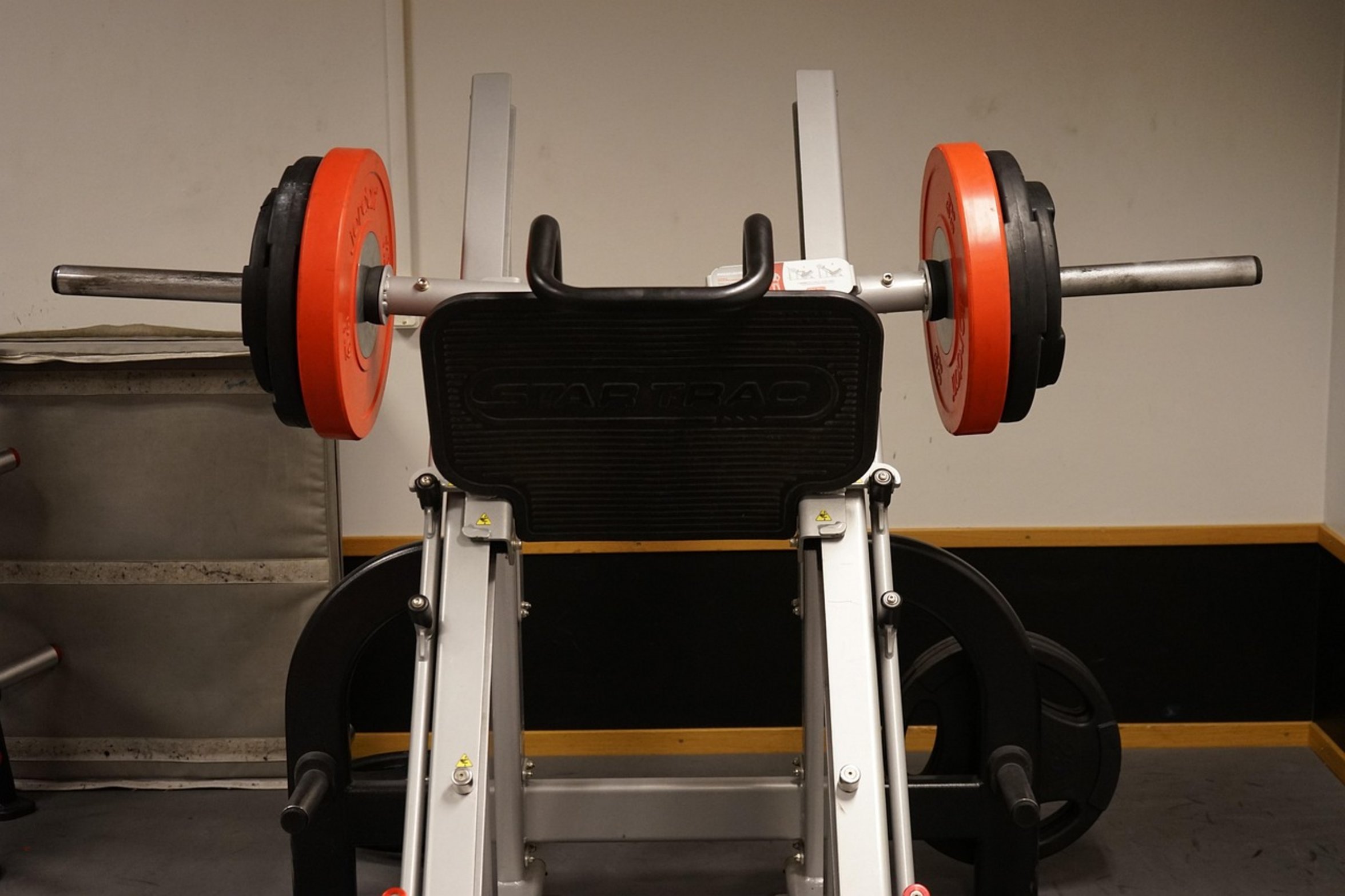
That’s not a bug, it’s a feature if you have specific training goals in mind. You can overload the legs safely while pushing as close to failure as possible without having to worry about spinal compression, which might get tired from heavy squats or deadlifts. But again, that’s a tradeoff; you don’t train core strength.
You get increased intensity on the legs. But you lose the stabilizing benefits of free weight movements. Inhale as you go down and exhale as you push up.
Proper Breathing and Form Technique
Keeping a constant level of intra-abdominal pressure throughout helps maintain stability, even with back support. Breathing technique also plays an important role here that you may not have considered. Most people make the mistake of leaning their hips off the pad to press down and push more weight, which basically short cuts the exercise and puts more strain on the discs in your lower back.
You need to keep your range of motion under control by lowering the weight so far that your knees can completely bend out. Watch your hips and don’t let them rock to ensure they stay engaged the whole time. Partial reps won’t cut it.
This is one instance where the stretch at the bottom is what does the work. So how do you integrate the leg press? Well, it’s actualy best used as an accessory exercise for building muscle (aka hypertrophy) or after performing any other compound lift.
Integrating Leg Press Into Your Routine
If your goal is functional strength, don’t go replacing your squat completely with this. However, if you want to grow, this movement is unmatched in efficiency for building muscle size. Since this movement allows you to keep reps high and recover fast between sets, it enables higher volume and faster growth.
When your form begins to falter during free weight exercises, use it to wrap up a workout and continue increasing the workload in a safe manner. Instead of having to stabilize yourself on a weight plate, let the machine handle that part, you just need to concentrate on squeezing the weight. How to integrate will depend on what’s right for you.
Your legs will be in line with your intentions; if you place your feet high, you train the posterior chain, while low and wide sculpts the adductors and centered placement build overall leg mass. How you dial the settings determines which muscle you’re working: there is no single right way. There is only the right way for any given moment.
Respect the mechanics. Control your descent, and allow the machine to do its job. Moving weight is not enough.
It’s about moving the right weight with the right muscles.
