
Walk into any commerical gym and you’ll find it: the leg press machine. It’s solid, so what kind of weight are you pressing? You look over and count the plate.
Then you estimate the bar. You add it all together and feel proud of total … except, chances are, it’s inaccurate by more than a couple of pound. It is about more than that.
Understanding Leg Press Machine Weight Basics
What is Tare Weight?
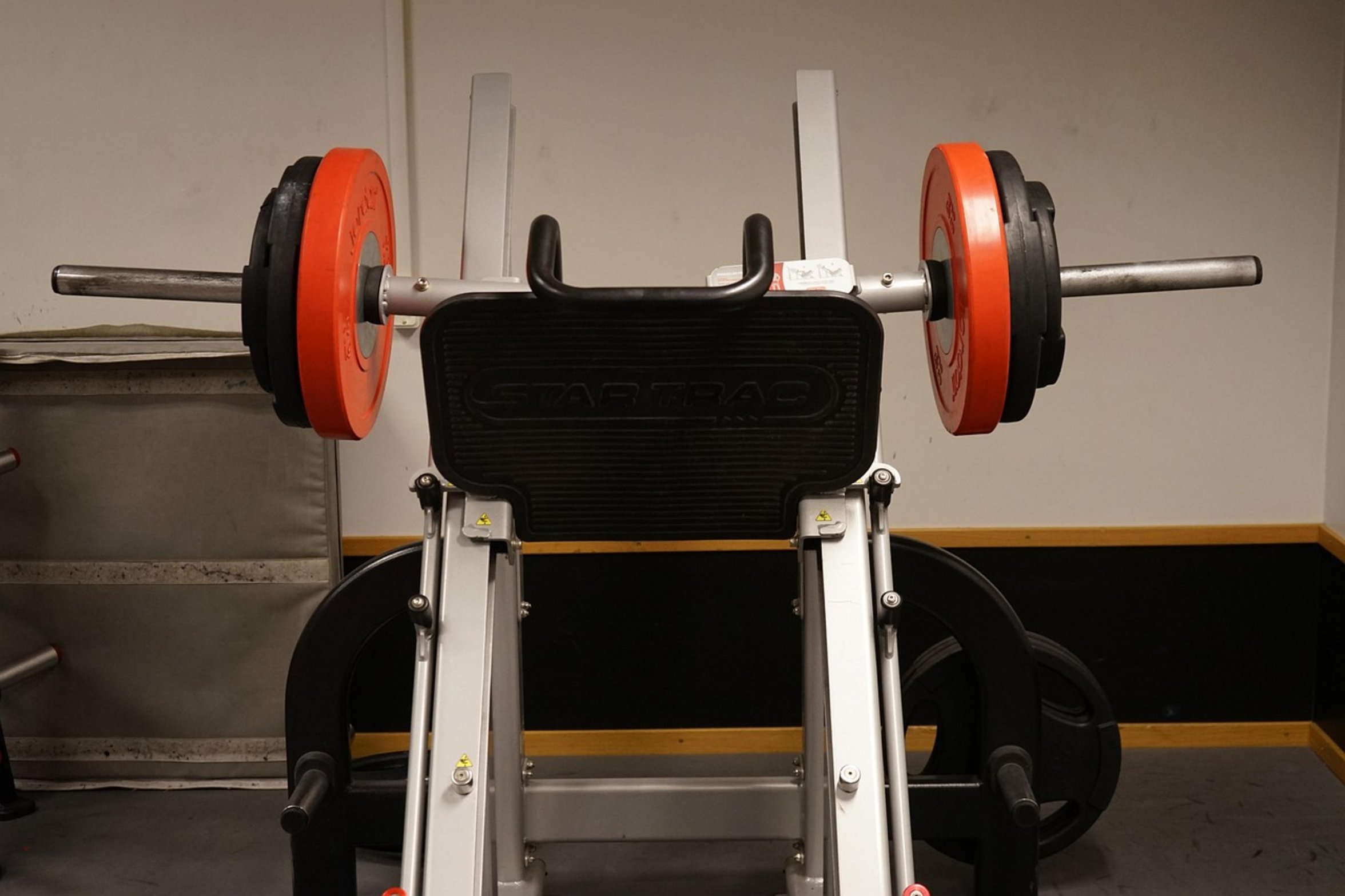
It’s about physics and the machine you’re using on your lower back and knees. That’s your tare weight. Your starting load.
The load on the bar when you step in the leg press frame with no weight on it. That weight does not go away when you add plate. Not knowing it mean you don’t know what load you’re lifting.
Maybe you’re making progress. But maybe not. Logbook says something.
It doesn’t necessarily match reality. Knowing what weight you’re realy lifting will help you program your workout. This prevents injuries from an unexpected mismatch in loads.
A leg press machine weigh anywhere from 150-200 pounds empty. That’s frame, sled, wheels and all. This does not necessarily include the footplate or even the safety bar.
But that’s what moves. That’s still a lot of weight. And when you’re not paying attention to it, it can be the difference between a serious set and a light warmup.
How Machine Brand Affects Weight
Not all machine are created equal. They vary in weight depending on make and model. For example, an empty carriage on a Hammer Strength plate loaded leg press may be as much as 180 plus pounds.
Other budget machine manufacturer, such as Power Systems or Body Solid, have carriages that weighs about 100 to 125 pounds. The type of materials used matters. Sheet metal is lighter than cast iron, but thicker steel add more weight.
Angle and Mechanical Advantage
The weight you feel is also determined by the angle of the press. Most people use a 45-degree leg press, and those machine are usually built stronger to handle the pressure. A horizontal leg press could be different in how it distribute weight.
Some may be lighter. Others are built for power lifting and is robust. So while the tare weight may be similar, the mechanical advantage will change and that 200 pounds can feel different on a 45-degree press than it would on a horizontal unit.
Plate Loaded vs Selectorized Machines
In this case it’s not that the weight doesn’t show, because they don’t even use plates (just a pin). No, with selectorized machines like that, there’s a sticker from the manufacturer and you’re taking his word for it. The problem is, these machine often has much higher internal weights because of their complex pulley and cam systems.
So a Cybex or Life Fitness machine could begins at 200 pounds or higher before you even choose your resistance level. The pins show the range, but you can’t see where that range actualy starts. So how can you compare your progress between a plate-loaded machine and a pin-loaded one?
Why Accurate Tracking Matters
It’s hard to tell unless you know exactly what each machine is spec’d for. It’s hard to tell unless you know exactly what each machine is spec’d for. Accuracy is important when you train because accuracy make training safe and consistent.
Accuracy allow you to monitor how much your lifting has improved. How do you know if you’re getting stronger? Well you can’t tell if you don’t know exactly what’s on the bar.
Do you really press 300 pounds or does that include 150 pounds of tare weight from the machine? That’s like saying I pressed 450 pounds! Big mistake!
Underestimating or overestimating what you lift screw up your programming. You’ll either push yourself too hard or you’ll deload too soon. Straining joint and hitting plateaus happen when you don’t log accurately.
How to Find Your Machine Specs
Just look on the frame to see what it says, there should be a label that specifies exactly how much it weigh. Generally, reputable manufacturers will print the tare weight directly onto the equipment (usually somewhere easy to see like the main pillar or around any adjustment mechanism). Failing that, search online for the user manual.
Technical specifications is typically available from the manufacturer’s website. Alternatively, approach a gym manager, they’ll likely have the specs on file. All leg presses aren’t created equal.
Don’t fall into the trap of thinking all leg presses are equal, because they aren’t. Knowing the actual weight help you train smarter. You don’t have to guess anymore, you know.
Now when you get on that sled, you’ll know what you’re up against. It’s not just those plate. It’s the machine as well.
Do a little research and help yourself out.
