
You step up to the leg press machine with a clear goal in mind. Your intent is to get some good glute and quad action, but it’s important to include weight of empty sled. Even without plates, that piece of steel weigh quite a bit and can throw off your programming if you neglect its contribution to the overall weight.
The majority of gym rats make false assumption that the starting weight is zero; after all, there aren’t any plate on the sled! But that’s just it. The sled have structure (steel), friction, and inertia.
You will have trouble tracking your progress over time if you fail to consider these factors. Knowing exactly how much weight you’re moving go a long way toward understanding what your logbook entries represent. How much does a sled actualy weigh?
Understanding The Actual Weight Of Leg Press Sleds
The Hidden Weight of the Sled
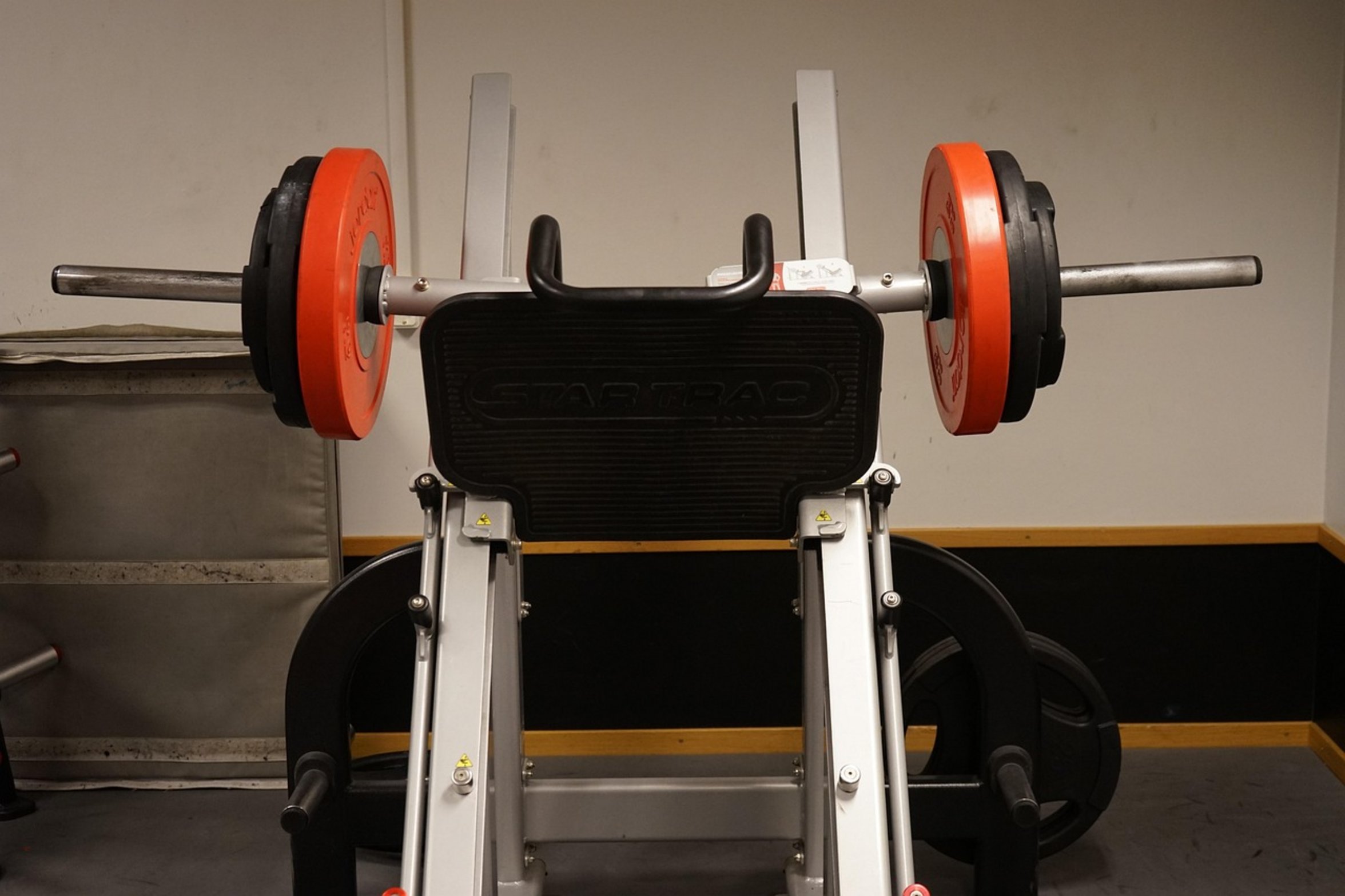
It depends on the model (i.e., why it was designed) and who make it. Home gym sleds is built with portability and price in mind. They’re meant to fit into a garage or basement.
In contrast, commercial sleds focus more on longevity since they sees frequent use. Their carriage are also heavier. This explains why a home gym sled might seem lighter then a commercial sled.
Just be aware that these factors influence your expectation. Don’t get confused if you move between two different place. Know what you’ll encounter ahead of time.
Commercial vs Home Gym Sleds
This way, you won’t be thrown off-guard by an unexpected increase in resistance due to the mechanics of the sled. This is made for commercial use. Machines from Hammer Strength, Precor, Life Fitness and others uses thick gauge steel because they are designed for commercial use.
Impact of Steel Gauge and Stability

Heavy gauge steel provides stability with huge loads, but it’s also heavy when the sled is empty. Depending on machine, you could of be pushing 100-200 pounds just to get the carriage moving. That’s free intensity right off the bat because you’re going to have to engage your stabilizers immediately with every rep.
It also keep the sled rigid in its track, decreasing vibration and wobble during any type of explosive movement. Rigid structure not only prolongs the life of the equipment, it keeps you safe from getting hurt. The steel isn’t just adding weight, it’s insurance that if something happen to a part, it won’t fail.
Home Gym Attachments and Entry Weight

With home gym equipment, we’re dealing with two major constraints: budget and space. To accommodate those factors, you’ll find brands such as Rep Fitness or Titan Fitness that produces leg press attachments featuring straightforward carriages weighing just 20 to 40 pounds when unloaded. That’s much more manageable if you plan on starting light, allowing for greater isolation during the learning/rehab phase.
You lose some stability compared to commercial units, but you get a lower entry weight/versatility at the expense of a solid, anchored feeling.
Gravity and Angle Mechanics
Another factor in how something feels is its angle. Most often, a 45-degree leg press has gravity working with or against you depending on whether the sled is sliding down or up an incline.
When the sled is empty, gravity works against you because it pull in a direction perpendicular to your effort. On a level leg press the gravitational penalty is lower as you’re only fighting mass/friction not gravity. While this seems like a small mechanical distinction it make a big difference when trying to compare strength numbers between machines.
Friction and Maintenance Effects
You’d be surprised at how much friction matters, but even if your track is dry or rusted up, it will seem heavier too. When a machine is kept in good shape, it runs smooth as butter and makes the empty sled feel lighter and more responsive. If your machine hasn’t been maintained, then there’s resistance that you’re not seeing, and you may believe you’re picking up more than you really are…you’re just fighting a poorly maintained machine.
Always inspect the tracks. A small amount of lightweight machine oil goes a long way toward returning your sled to its true weight. It also let you know that what you’re doing is real and not just because your mechanics have became sticky.
Tracking True Load in Your Log
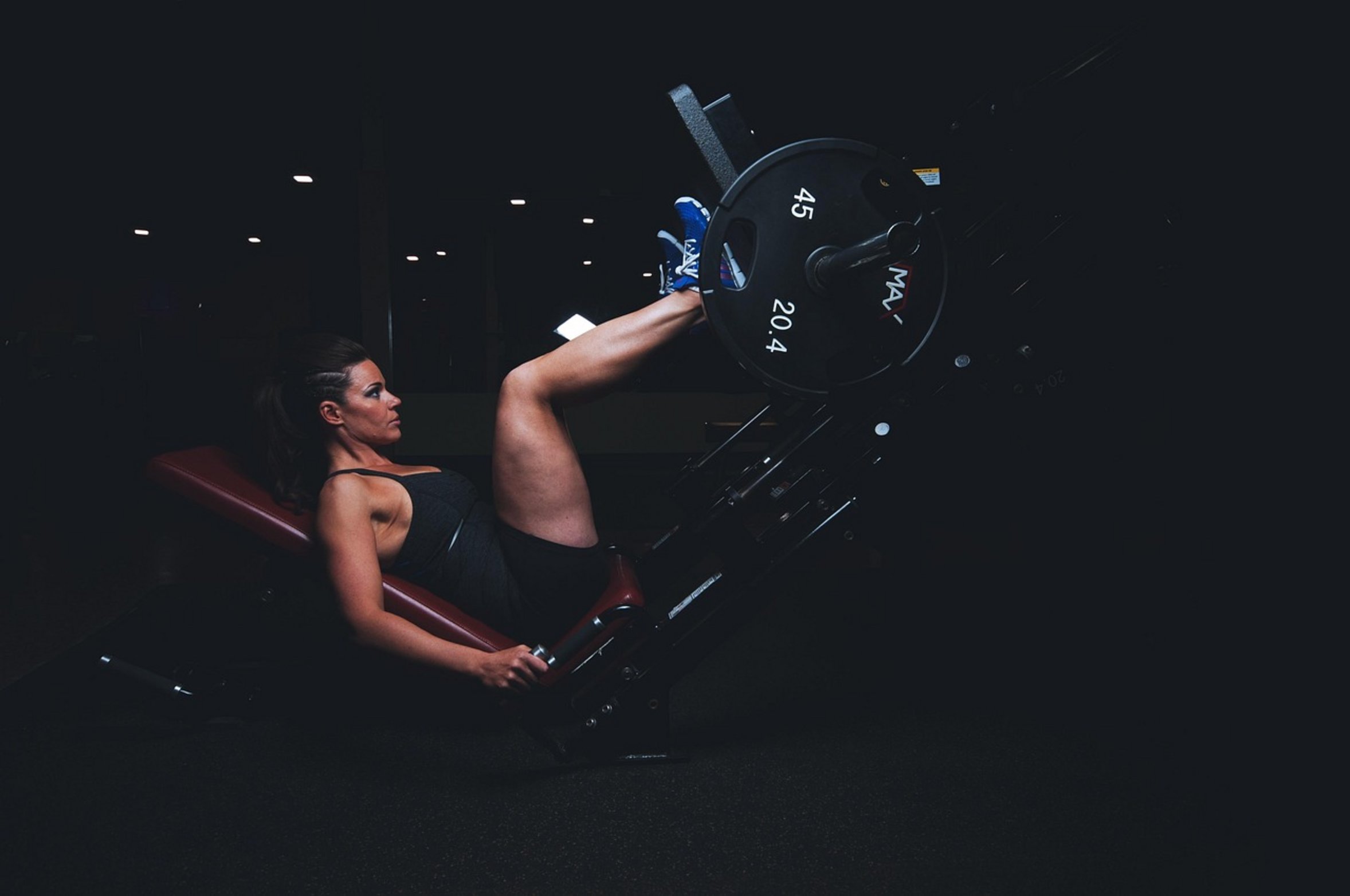
In your training log, write down the sled weight (and do yourself a favor by being honest about what you enter). For me, my commercial sled weigh 150 pounds, but I treat that as a fixed number and just tack on whatever plates I put on top. Every time I switch gyms and use their new sled, I add exactly how many more/less pounds the new sled weighs to my plate count.
It’s an exact representation of total load and will let you adjust to match. That type of detail separate the casual gym goer from the serious lifter. It turns vague effort into something you can measure.
A plate on a platform, that’s all it’s supposed to be. But the leg press sled is much more than that: It’s a key part of your lower body workouts. The weight provide the stimulus, the mass affects stability, and the way it’s made tells you something about the manufacturer’s priorities.
Whether at home alone or working out in a busy commercial gym, recognize that this is the baseline. Recognize the ghost weight, it’s always pushing back. With that accounted for, you’re lifting with purpose and clarity.
Best of all, you know exactly what your legs are truly capable of handling.
