
There’s a lot of conflicting information scattered across the gym floor. When you enter, you’re prepped to build thicker quad. But what do you do when faced with a variety of machine?
There’s one that lets you use a heavy load while staying safe, the leg press. Then there’s another that targets only the front of thigh, the leg extension. These two machines appears regularly during leg day, but they’re not interchangeable.
They each has their own purpose, so don’t confuse them or you’ll be risking injury and stalling your results. There’s more than one reason why understanding the distinction is important: it’s mechanical. While both are aesthetic exercises, the leg extension is an isolation exercise.
Leg Extension Versus Leg Press Guide
Understanding the Mechanical Differences
It specificly targets the rectus femoris, a head of the quadriceps often missed during most compound movement. The leg press is a compound movement that takes out the balance component of a squat. Know your desired intent with your legs and then make your choice accordingly.
It is less about which machine is superior and more about which machine fills a gap in your routine. In addition, it’s a great way to build total lower body size. Since the leg press engage the hamstrings, quads, and glutes collectively while you sit back and push the platform out, it’s no wonder that it’s a go-to exercise at commercial gym, it lets you move some serious weight while offloading the compressive load from your spine.
Benefits of the Leg Press
Since the machine is stable, you can push close to failure safely because your core doesn’t fail before your legs do. You do not need a spotter. It is also easy to get into a rhythm.
It is a popular choice for those with back issue or those looking to lift heavy without needing to learn complex techniques. But there’s a catch with this heavy-loading. If you break down and allow poor form on your deep leg press, the sheer force on your knee can be significant.
Correct Leg Press Foot Placement
If your feet are too far up on the platform, tension shifts to the hamstrings and glutes… Not good for quad development. Too low, and you’re likely going to jam your knees into hyperextension at the top of each rep.
Foot placement is key here. Ideally, you want your stance somewhere in the middle so that your knee track directly over your toes. That’ll ensure the quadriceps bear the brunt of the load.
It’s a subtle change but one that saves your joints on high-rep sets.
Isolating Quads with Leg Extensions
Here’s what the leg extension is primarily used for: full-quadriceps isolation. The quad muscles don’t get much help from the back of your body on this machine.
This is different than the leg press, where your glutes and lower back give up before your legs are tired. Because so many people mistake these machines as redundant, “Why can’t I just squat or do a leg press?”, they avoid them entirely. However, we must remember that the rectus femoris muscle, which make up part of the quadriceps group, crosses the hip joint.
That means it’s partially stretched when performing hip dominant exercises such as deadlifts. To fully activate it, you need dedicated extension work. It’s a weakness-exposing machine.
Revealing Muscle Imbalances
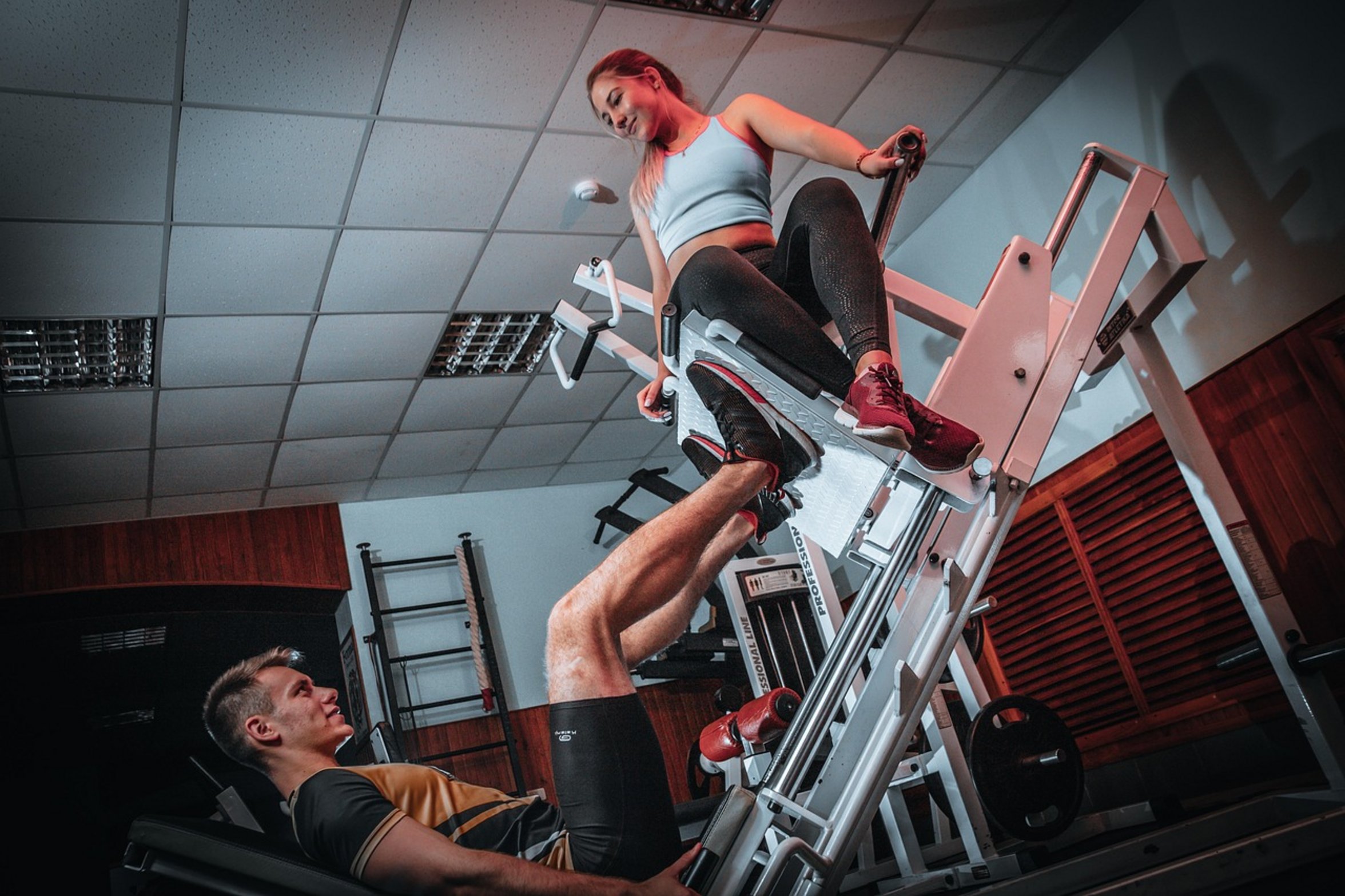
Does it expose imbalances? You’ll know once you’re on the leg extension. Maybe you can cover up your imbalances on the leg press (your strong side picks up the slack).
That won’t happen with the leg extension. Symmetry forces itself. It also develops that unique look of the vastus medialis, the muscle that dips below the kneecap.
With compound lifts, it’s difficult to get this look. Here, you pay for precise architectural transformations. There’s an intense pump and a localized burn.
This ain’t comfortable. But there is a payoff in the form of visible results.
Structuring Your Workout Order
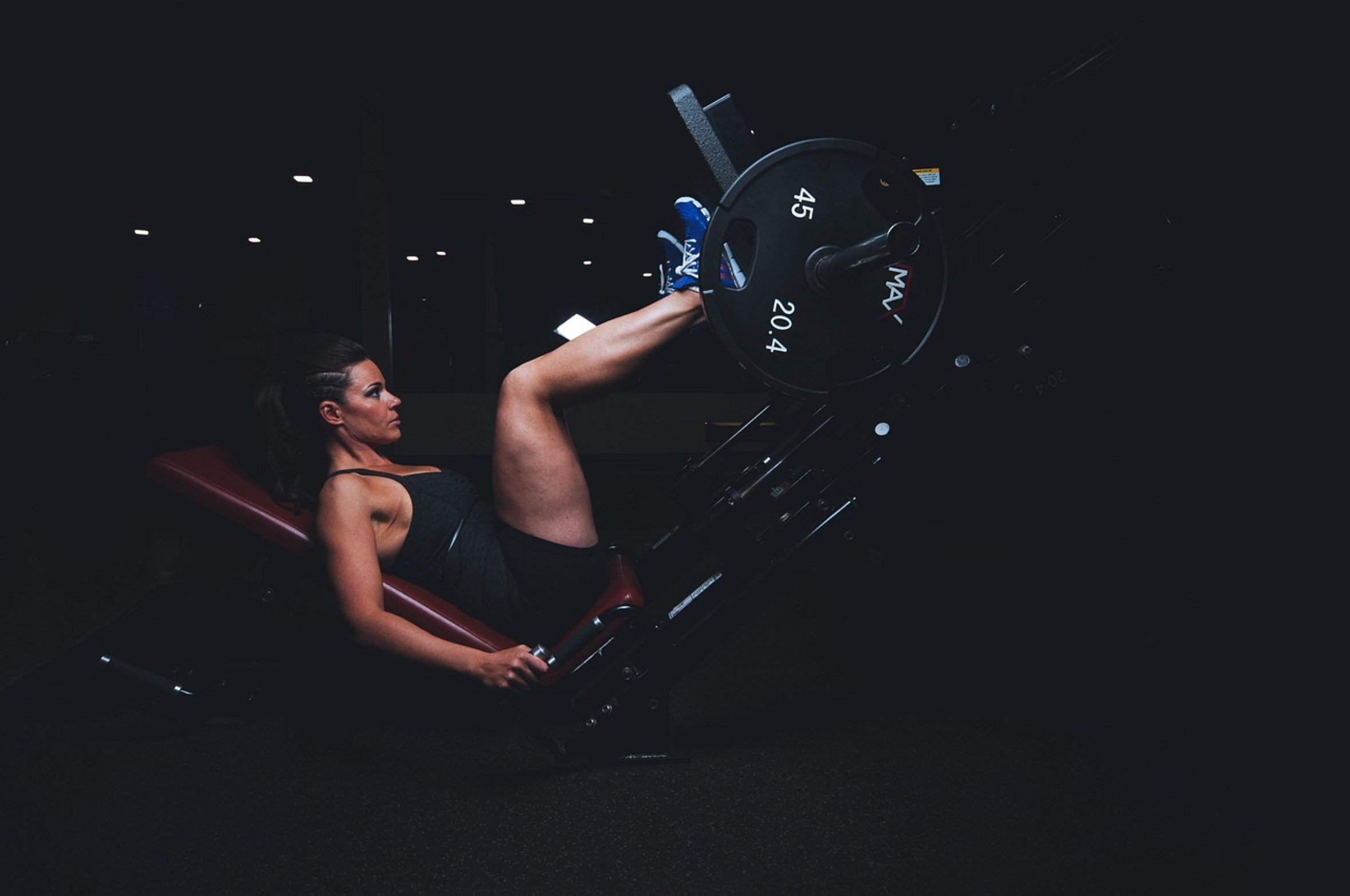
To use both machines effectively, there’s some planning of the order required.
Putting them together into a routine isn’t sufficient. Determine on that day whether you’re looking more for power/strength or hypertrophy. For power and strength, begin with the leg press.
Load up the heavy iron during your period of greatest neural drive. Next, do leg extensions to build muscle. Finally, isolate the muscle that has already done the heavy work.
Use this as a finishing blow to exhaust the muscle before moving onto something else. That’s how this order maximizes performance on the compound exercise AND exhausts all of the musculature.
Pre-Exhaust Technique for Growth
If, however, you’re rehabbing or going for raw size, flip the script.
Use lighter leg extensions to warm up and get blood pumping through the quads first. Pre-fatiguing muscles like this can help you “feel” the quad working on the next exercise, specifically the leg press. It helps you feel your muscles working.
And when you hit that press, you’ll feel a stronger contraction due to the pre-exhausted state of your quads. For someone new to training, this is a safer way to learn to drive the leg press since they may be inclined to let their glutes do most of the work. It teaches them how to engage their legs.
It’s a small change of tactics but drastically shifts the whole experience.
Combining Machines for Complete Legs
So, who makes a larger leg? That’s the question that gets debated.
Big means different things to different people. While the leg extension carves and shapes the front of thigh, the leg press adds mass to the overall look of the lower body. Don’t pit them against each other for life.
These machines work well together. Consider the leg press to be the foundation while the leg extension is the trim. Just as a house needs both to look finished, so do your legs.
Use the press to develop capacity; use the extension to refine detail. Your legs will reward you with balance.
