
The kettlebell is primarily seen as a cardio tool. In group classes, it’s all about high rep swings with an emphasis on speed. While that is certainley a valid use case for the kettlebell, it raise your heart rate and develops endurance in the muscles of your backside (the posterior chain) through the dynamic hip hinge movement.
But when slowed down, the kettlebell become a strength tool. With focus on the movement, it develop functional muscle in your leg. Because of its shape, the kettlebell presents a different type of leverage issue for your muscles.
Its center of mass is located beyond the perimeter of your body (rather then at the end like a dumbbell). That offset shift your body’s effort toward stabilizing the weight. To control it during the pull, you have to contract your glutes, hamstrings, and quads with increased force.
You’re fighting for stability as well as moving the weight. Every rep become harder which helps muscle growth. Start with the goblet squat to learn how to load front rack position.
Build Leg Strength and Size With Kettlebells
Kettlebell Strength vs Cardio
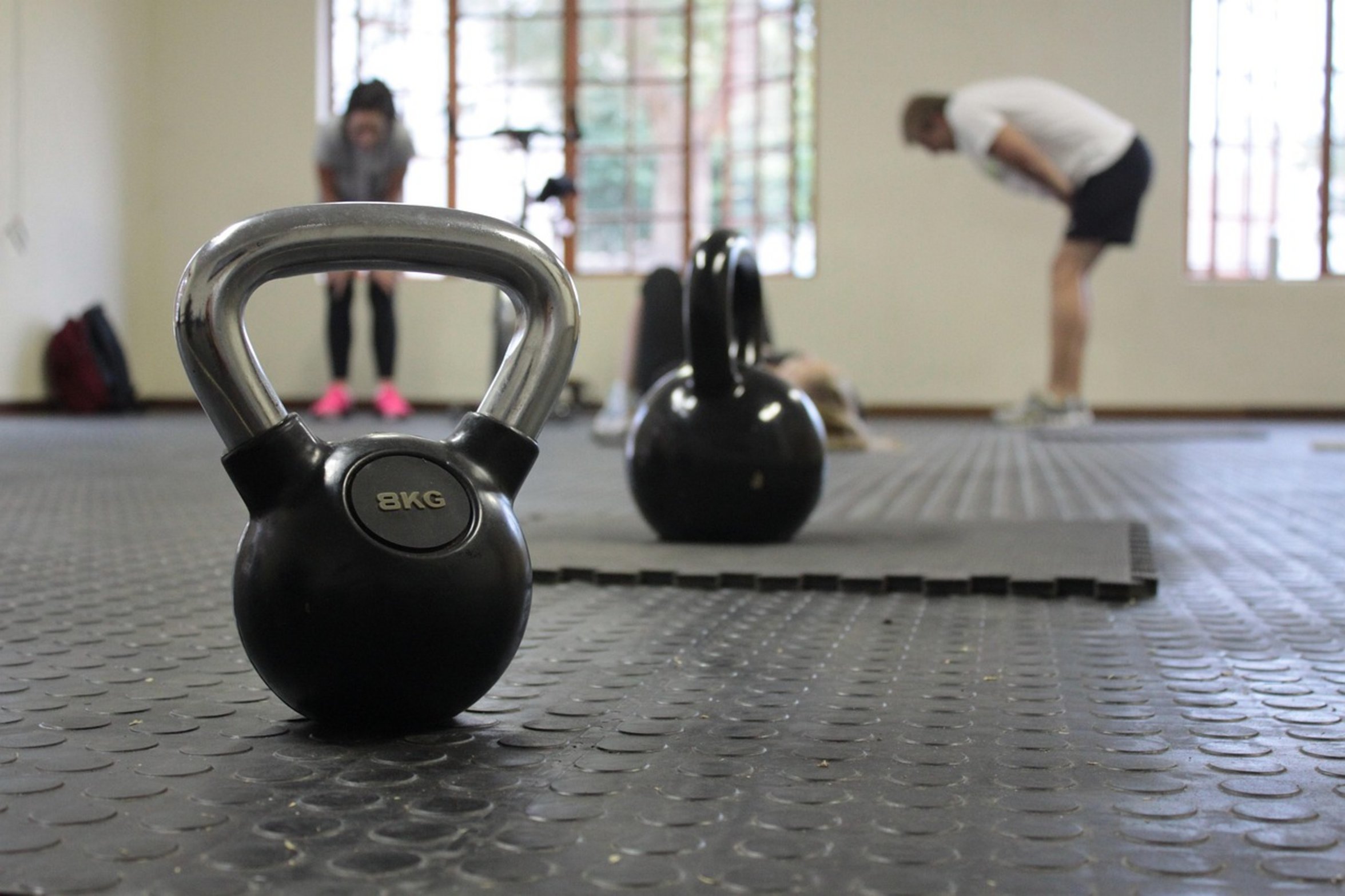
Grab the kettlebell with both hands on the horns and hold it at your chest. Tuck your elbows into your ribs. Keep your torso upright so your shoulders don’t round forward.
When you lower down let your knees track over toes and your hips push back. You’ll feel yourself pulled forward as the weight of the bell does its job. To resist that pull you need to engage core and keep yourself vertical.
Lose the tension and you’ve cheated the form. This is a common mistake. After you’ve got the squat down pat, you should of advance to the single leg dead lift.
Goblet Squat Technique
This exercise reveal your imbalances that are masked by a two-sided lift. Stand on one leg with the kettlebell in one hand. Lower your body using your hips as you hinge forward, bringing the kettlebell towards the floor.
Extend your other leg back for balance. All of this is done through your standing leg. The muscle groups you’ll start to notice working are your glute medius and hamstring.
It seems easy enough but maintaining control on the way down take some serious hip flexibility and ankle mobility. You’ll learn fast which side is weak. Don’t compensate by skipping easy side.
Build strength equally on both. With one move, the kettlebell press in reverse lunge targets both upper body and legs. Step backward into a lunge while pressing the kettlebell overhead.
Single Leg Deadlift Benefits
Stability is key. Don’t simply push it upward. Your core brace against rotation.
Your front leg pushes you upward; your back leg anchors you. That offset weight of the bell want to topple you. Fight that toppling.
It develop useful strength that applies to real life. You’re not only training power, but balance as well which will make carrying a child or a bag of groceries easier. The one variable that controls size is depth.
Go as deep as you can control. Half reps produce half results. The range of motion with the kettlebell is usually safer than with a barbell.
There is no bar digging into your knees and traps. Focus on getting low at the bottom and sink deep into it. Pause for a second.
Feel the stretch. Now explode up. That pause eliminate momentum.
It forces the muscle to create force from a dead stop. That’s when hypertrophy occur. It is not how fast you move the weight, but how long you can hold it under tension.
If you’re looking for something that really challenges your full-body control, finish with the Turkish get up. This isn’t an easy movement; it force all the muscles in your body to work together. With one arm, hold the kettlebell directly above your head.
Reverse Lunge Press
From the ground, stand back up without dropping weight. Your core must stabilize the weight as your legs power you upward. It’s going to feel awkward.
Which is normal. Break this move down into steps. Work on mastering each step.
When you finish, you’ll feel like you’ve got complete control over your entire body. You’ll also notice that your shoulders and hips begins working together. The exercises are a great starting point for developing a solid base of strength that looks good and feels strong.
Turkish Get Up Mastery
You do not need a partner or a rack. Just a bell and a bit of discipline. Begin with something lightweight.
Emphasize the offset leverage. Every rep count. Precision and patience pay off with the kettlebell.
Think of it as your partner, not simply a piece of weight. Your legs will be thankful to you in the future.
