
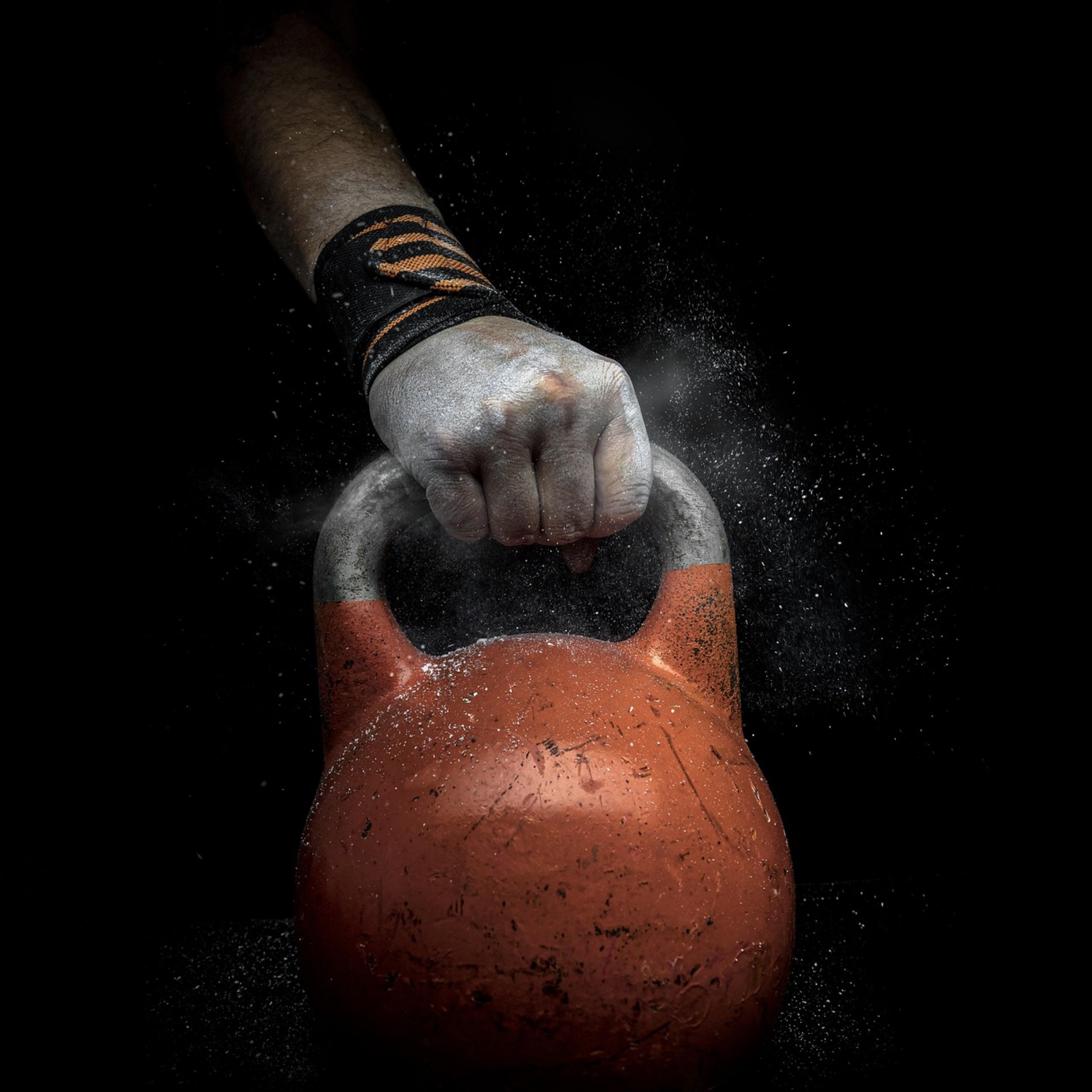
The kettlebell is often an afterthought when it comes to the home gym; it’s a cannonball-with-a-handle sitting in the corner collecting dust. And most folks thinks this thing is either for swings alone, or that it’s some relic from strongman days. The kettlebell is the great marriage of strength and conditioning: It develop power without the bulky side effects of heavy barbell training.
It’s arguably the most effective iron available. Don’t go out there with an exercise library. Learning too much too soon will lead you down a path to quitting as fast as anything else.
You want to focus on being competent, not complex. Mastering a handful of foundational moves with perfect form will create a body capable of meeting your physical demands, and one that’s resilient enough to withstand them. Everything else is variation on a theme.
Essential Kettlebell Exercises for Beginners
Why Kettlebells Are Effective
Mastering the Kettlebell Swing
The kettlebell swing are a fundamental mechanic that builds power and endurance through the hip hinge. The swing is the first movement you’ll want to learn. Why?
Because it’s a mechanism for generating power, but it’s also an exercise in its own right. Nothing teach the hip hinge, the source of human power, like kettlebell swing. Hinge at the hips while standing with your feet shoulder width apart; the bell will naturaly swing between your legs.
Next, snap your hips forward. Using nothing but the force of your hips, the bell fly up to chest height, while your arms serve only as ropes. Do this by lifting with your shoulders and you’re doing it wrong.
At the same time that it builds cardiovascular endurance, it builds strength in your posterior chain. When you can perform this movement unconsciously; meaning you’re swinging without thought (graduate to the goblet squat).
The Goblet Squat Technique
Because you hold the kettlebell near your chest during the squat, you are forced to maintain an upright posture.
When we do a back squat with a loaded barbell, many of us will round our spines (this would of wrecked your back!). The kettlebell becomes a counter balance and allow your torso to open up. While still thoroughly loading your glutes and quads, it protects your lower back.
It’s a moddern exercise that exposes areas of weakness you didn’t know you had until you tried adding more weight. Tuck your elbows in tight, keep your heels down, and get ready for some serious squat strength.
Learning the Turkish Get-Up
The Turkish get-up looks hard, but it breaks down into a series of safe moves.
From the ground with the bell upright over your chest, push it straight up to the sky, then get up standing keeping the weight steady, no rocking or wobbling allowed. It sounds harder than it is once you break it down. This movement simultaneously teaches balance, shoulder control and core stability.
Holding a set weight in a fixed position and moving your body around it, that’s what real life does. Take time to practice this one; slow and precise win the day.
Single-Arm Overhead Press
From there comes the natural progression: the overhead press.
After stabilizing your shoulders in the get-up you’re ready to press weight overhead. The single-arm kettlebell press require a lot of core engagement to avoid tipping over. It also exposes any weakness, as you can’t use momentum to lift it like you might with a barbell.
You’ll know right away if one side is weaker than the other. That’s good, though, because that means you can fix imbalances before they turn into injuries. For best wrist alignment, hold the kettlebell by its horn and push directly upwards without leaning it forward.
The Halo Exercise for Mobility
And finally, there is the halo. Easy, right? Yes, and a diagnostic tool as well.
Take the kettlebell and circle it around your head. Does it feel painless and easy? Then you’ve got some mobile shoulders.
If it’s painful or feels like it won’t move easily, then your range of motion in the joint isn’t great. The halo keep the joints of your shoulders loose and lubricated. It is perfect for a cool down or warm-up activity.
Don’t go too heavy on this one, you’re not after strength here, but rather mobility and circulation. A small two or four kilogram bell will do the trick just fine. These five moves.
Conclusion and Practice Tips
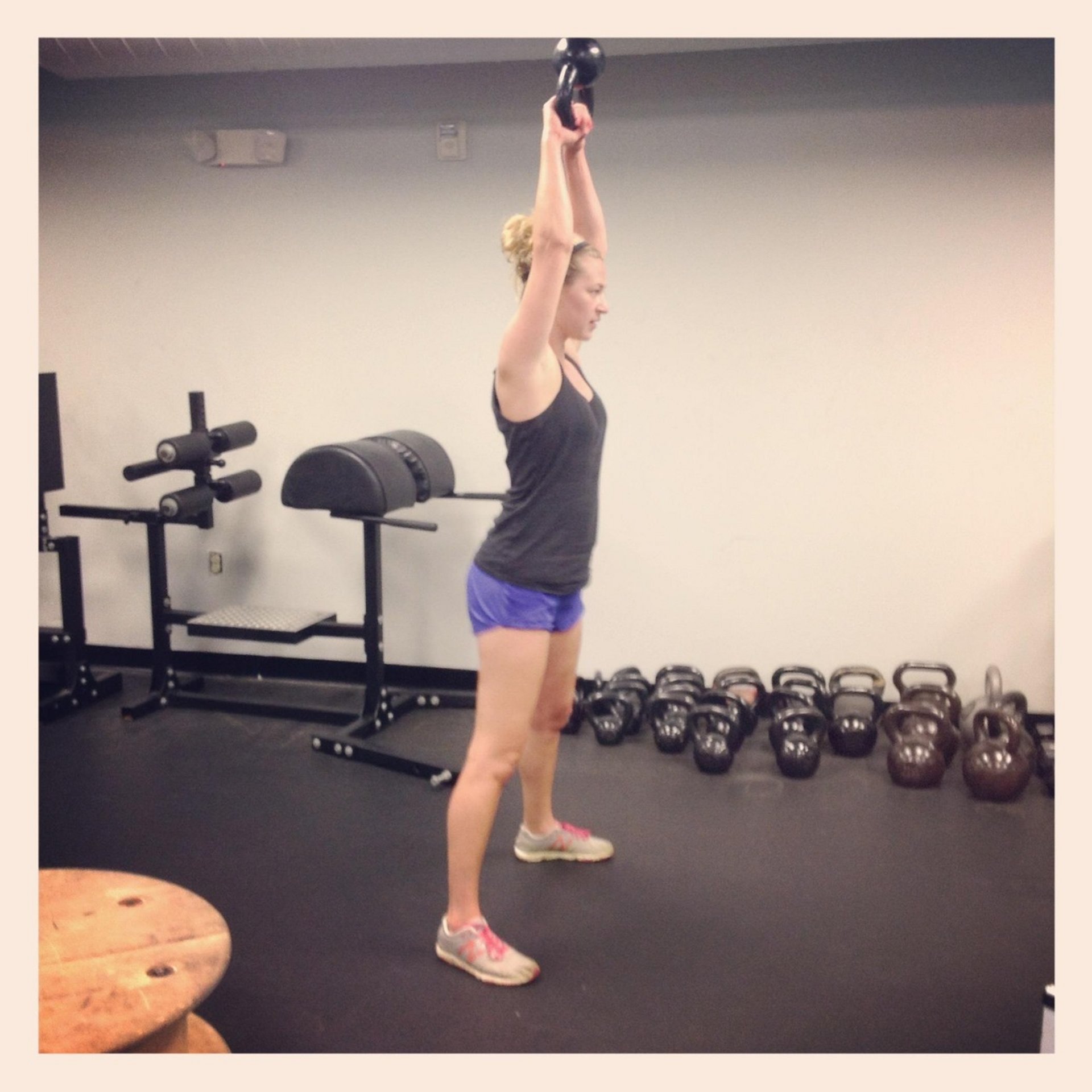
Try them out, practice them till they feel natural to you. Remember, the kettlebell is one of those things that rewards form and consistency over ego. Don’t go chasing fancy variations until you can do the basics automatically.
Get good at the swing, the squat, the get-up, the press, the halo. Build yourself a base based off which all the rest will stand. That corner cannonball won’t look like dead weight any more; It’ll look like opportunity.
