
The kettlebell clean and press are as much a test of timing than it is a lift. The move look easy (grab some weight), clear it to your shoulders and drive it overhead. But this move need core tension, shoulder stability and hip power.
Get the rhythm incorrect and you just wear yourself out. Get it right and you unlock full-body conditioning. It are a combination of power and endurance.
The exercise develop force from the ground, passes it upward to midsection and ends with a controlled head movement. Novices tend to perform the clean and the press as two distinct move, pausing in between. But that interrupt the flow and makes the workout less efficient.
Because the press is set up by the clean’s momentum, connecting the phases create greater efficiency.
Mastering Kettlebell Clean and Press Technique
Why Timing and Flow Matter
The clean is what most people has trouble with. It start from the floor, but it isn’t a deadlift.
Mastering the Hip Snap for the Clean
Use your hip snap to get bell into rack position. Don’t use your arms. Use them like hooks.
They don’t pull. You hinge at the hips. Get weight close to your body.
Drive bell up using your hips. Catch the weight high on your elbows in front rack position. This will protect your shoulders and set you up for press.
The clean depend on timing. Don’t reach for it with your arms; that’s how you gets the bell bouncing on your hands. Trust the hip extension.
The power come from below, keep your hands passive and let movement happen. The shift in mindset make this a skill rather than a struggle. Once you have mastered the hip snap, clean is fluid.
It doesn’t drag itself up but instead floats into place. Finally, press completes the movement. Rather than simply pushing it up, you stabilize weight from rack position.
Core Bracing for Overhead Press
Your ribs stay in as your core brace tightly against the awkwardness of the weight. If your core isn’t strong enough, you’ll attempt to compensate by arcing your back, which can cause lower back pain. Before you push, squeeze glutes and brace your abs to establish a solid column from your head to your feet.
Shoulder Stability and Bar Path
Overhead stability are supported by shoulder health. Shoulder blades stays pulled down and back. Shoulders don’t creep upward toward the ears.
Pressing, you drive elbows down and ever so slightly back. It form a base for weight. Bar path remain vertical.
If weight shifts too far forward, balance is lost. If weight is too far back, you strain your lower back. As much as ascent is controlled, descent is, to.
Breathing Patterns for Safety
For example, breathing are important in compound lifts. On the clean, you breathe in when you are at bottom. Hold that air while transitioning into press.
Exhale gradually while pushing weight up overhead. That create a protective force around your spine. Without it, the load on your vertebrae increase significanly.
It is a small detail. This avoids injuries.
Building Efficiency Through Practice
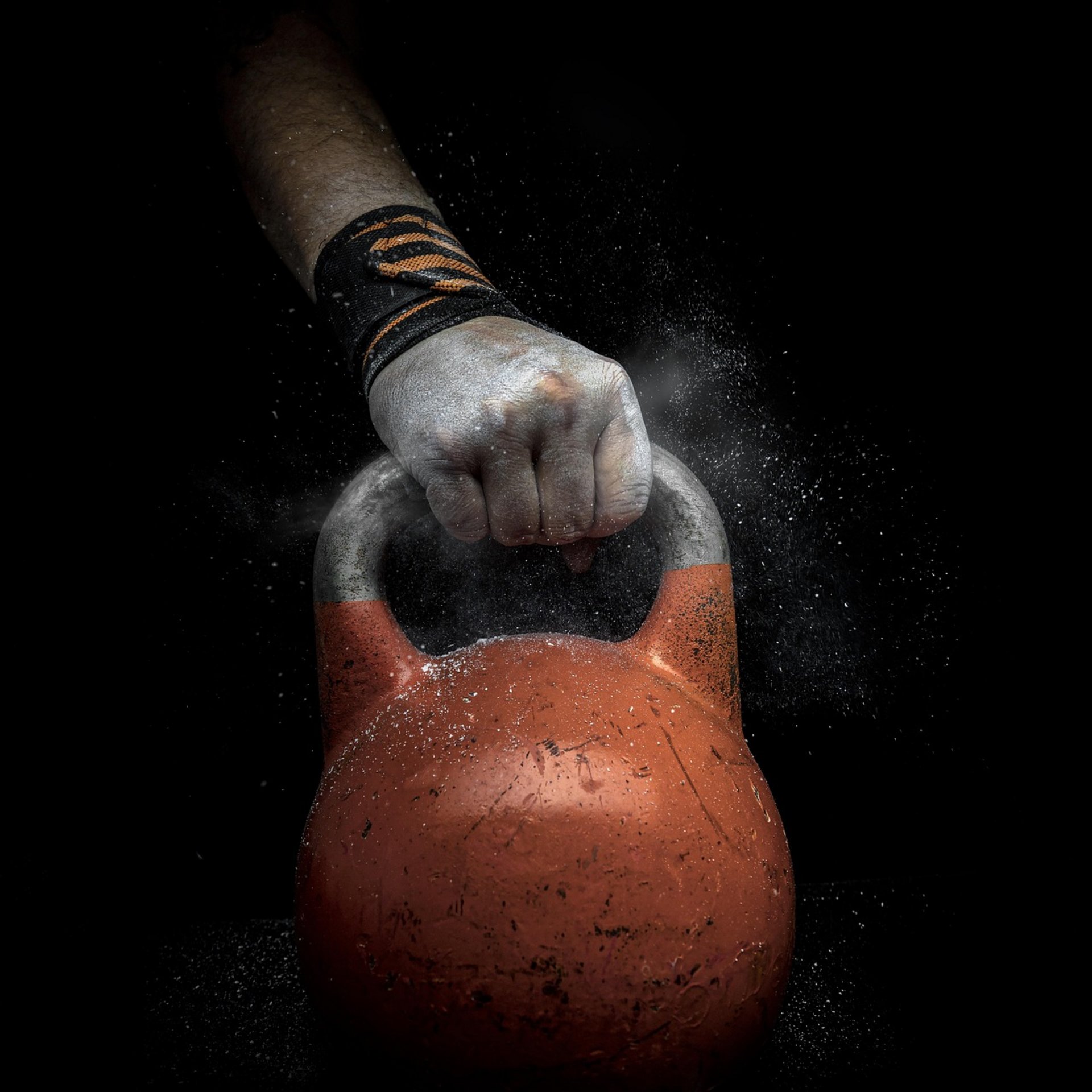
So you break down the pieces, you train them individually first then put them together.
You get good at press, so it’s automatic. You get good at clean so it feels stable. Then you attempt to do one press after one clean.
No rushing into high rep sets. In kettlebell training, quality are king. Sloppy form will be punished by the bell.
Patience is rewarded. Start with a lighter bell. Work on connecting hip drive to your overhead control.
When movement flows continuously you’re there. The kettlebell becomes part of you. Actualy it’s moddern and luxurius.
It would of been better if I was more comfortabley.
