
Many people dont know that they are suffering from low water intake until teh sign of low water intake begin to appear. The signs of low water intake include a dry mouth, experiencing a headache without a clear cause, or feeling that you’re workouts is becoming more difficult than normal. Each of these signs is common for many people to ignore, but each of these signs is actualy the bodys early warning signal regarding dehydration.
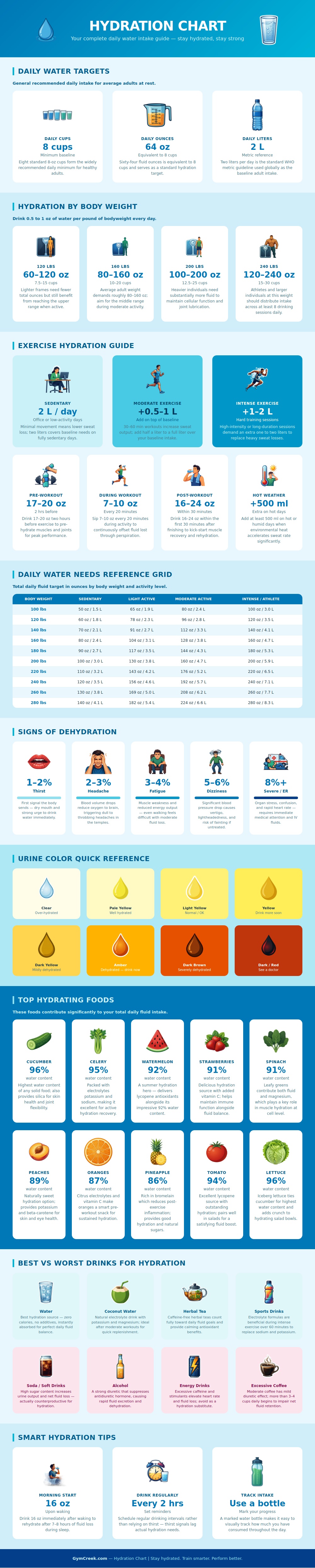
By becoming aware of the signs of dehydration, individuals can take step to prevent the development of those problems associated with dehydration. The baseline for water intake for each individual are approximately eight cup of water, or two liters of water. This baseline amount is recommended for individuals who are not engaging in much physical activity.
How Much Water to Drink Every Day
This baseline water intake ensure that the bodys cells are functioning proper, the body maintains its normal temperature, and the bodys organs are performing their functions appropriately throughout the day. However, this baseline amount of eight cups or two liters are not sufficient for individuals whose activity level increase or whose body weight increase. Individuals who are engaging in more physical activity or who have a higher body weight require more water to support their bodies’ demand for hydration.
Thus, an individual may require a different amount of water intake on different days of the week, depending on the amount of physical activity that they perform during those days. An individual’s body weight may also play a role in the amount of water that they need to drink daily. An individual whose body frame is more extensive than another individual may require more water intake to perform the same task.
The larger the body frame, the more water an individual need to perform their physical tasks. An individual whose body weighs less than another individual may require a lower intake of water to perform the same tasks. Thus, an individual should consider their body weight as one of the factor that determines how much water they should drink daily.
Additionally, this factor is especially important for individuals who are to engage in physical activity during that day. An individual’s physical activity will also impact the amount of water that they should drink daily. Individuals who participate in physical activity will lose water through the amount of sweat that they give off while performing those tasks.
Additionally, their body will use water at a faster rate while performing those tasks. An individual who performs moderate physical activity may need to drink an additional half liter of water daily. An individual who performs more intense or longer physical activity may need to drink an additional two liters of water daily.
An individual who drinks water prior to, during, and after performing physical activity will experience fewer issues related to dehydration than an individual who does not drink water during those periods. An individual who lives in hot weather or who spends time outside in the heat will also require additional water intake by the body. An individual who lives in hot weather will produce more sweat during that period because the bodys natural way of regulating its temperature are to produce sweat that evaporates from the body.
Thus, individuals who live in hot climates may require additional water intake to replace the water that is lost through the evaporation of their own bodys natural sweat. Additionally, an individual who lives in an area that is humid will also lose more water through their natural sweat. Thus, individuals who live in these area will require additional water intake.
An additional few hundred milliliters of water per day can make a significant difference for individuals in these areas. An individual can determine their level of hydration by examining the color of their urine. If the color of an individuals urine is pale yellow, they are likely within their proper hydration range.
If an individuals urine is a darker yellow color, they are likely not drinking enough water. If an individuals urine is clear, they are likely drinking too much water, though this isnt as common as drinking insufficient amount of water. Thus, an individual can use the color of their urine to monitor their hydration level.
Food also play a role in the amount of water that individuals need to consume daily. Certain foods, particularly fruits and vegetables, contain high amount of water. These foods add to the amount of water that individuals consume daily.
Furthermore, fruits and vegetables provide additional benefits to individuals because they contain electrolytes and micronutrients that are beneficial for the bodys fluid balance. Thus, an individual should include these foods in their diet as a means of increasing their daily water intake without drinking additional water. Some drinks may work against an individuals attempts to properly hydrate their body.
Drinks that contain added sugars, such as sodas, can actually cause the body to release more urine than it takes in the amount of fluid that those sodas contain. Alcohol is a diuretic, causing the body to release more fluid in the form of urine than it takes in from the alcoholic drink that it consumed. Additionally, drinks that contain high amount of caffeine, such as energy drinks, will also cause an increase in the amount of fluid that is lost by the body, as the caffeine contained in those drinks increases an individuals heart rate.
Thus, these types of drink should not be the primary means of hydrating the body. An individual who focus upon drinking water in small amounts throughout the day will experience the advantages of proper hydration. An individual should drink a reasonable amount of water upon waking in the morning to replace the water that they lost during their sleep.
Additionally, an individual should use their memory to remind themselves to drink water every few hours of the day. Additionally, using a water bottle that has markings for different amounts of water will allow an individual to monitor their daily water intake. Each of these small changes will ensure that an individual does not have to worry about whether they drank enough water during the day.
An advantage of properly attending to the bodys water intake is that each of the bodys activities will feel normal to that individual. An individual will not experience issues with their ability to perform any physical activity, will not experience fatigue during the afternoon, and will experience fewer instances of suffering from headaches. Each of these benefit are small in nature, but are still beneficial to the individual if they are to treat their water intake as an essential daily task.
