
When you step up to a set of dumbbells, it’s common to experience gym anxiety. The lightest one look too easy. The heaviest pair makes you worry you will look foolish failing a rep.
What happens? We opt for the next set that isn’t embarrassing, but then we never get better. We just stay stuck in the same place (or worse: we injure ourselves).
Weight isn’t something static; it’s dynamic. How much weight you use depend on your goal, the exercise you’re doing, and how strong you are. A weight that challenge you in one exercise may feel like nothing at all in another.
Knowing the difference help with effective training. You don’t have to guess. Just know how resistance work.
Choosing the Right Dumbbell Weight For You
The Trap of Gym Anxiety
Starting Light for Proper Form
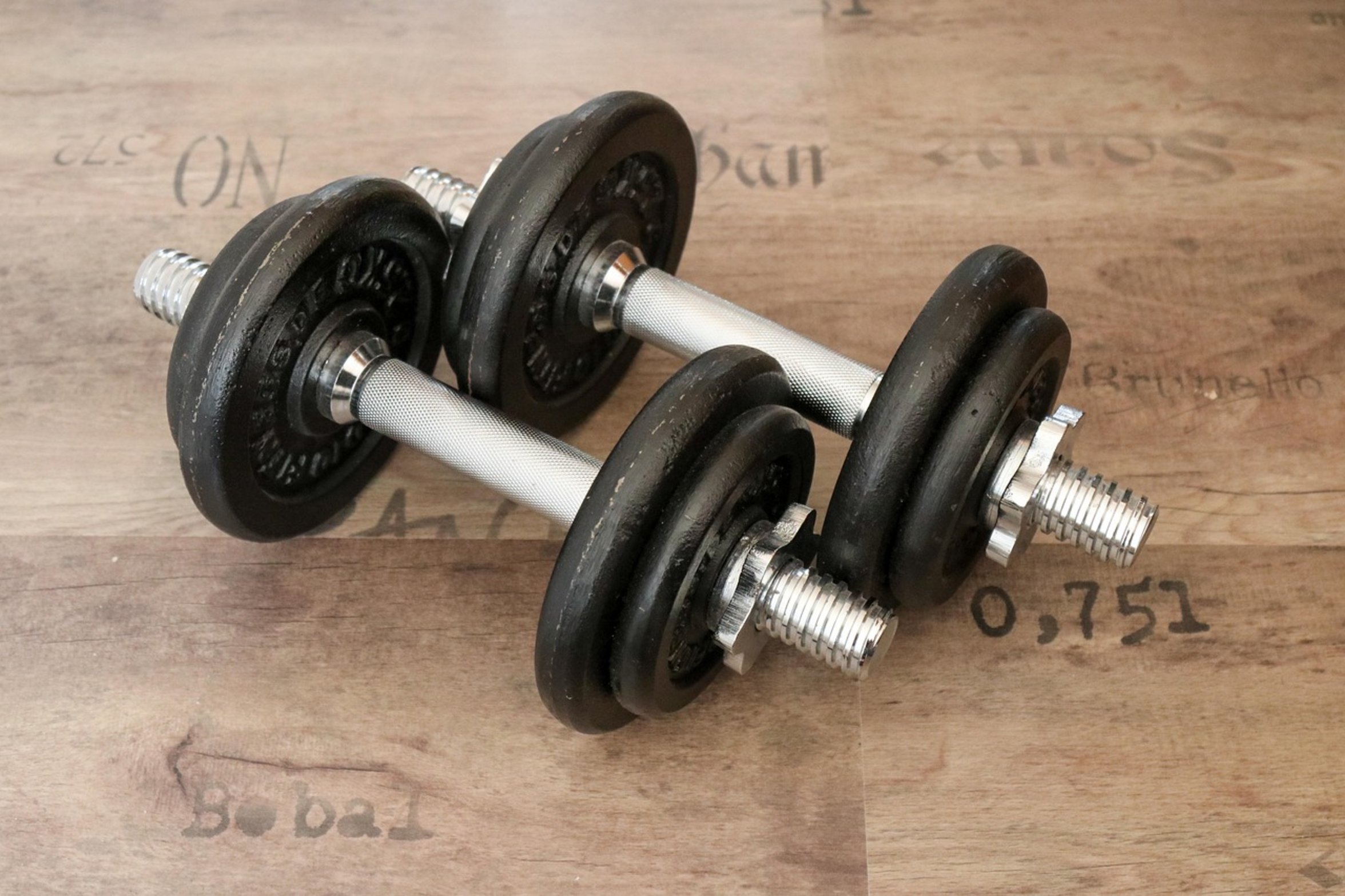
When first learning a movement pattern, it makes sense to start with very light weights (or body weight). In early phases, form matter. If you aren’t able to control the weight throughout full range of motion, then you’re not getting stronger.
You’re forming bad habits. When doing lunges or shoulder presses for instance, you should be able to engage your muscles while keeping strain off your joints, and that’s easier to do if you start light. It is better to be precise with lighter weight, rather then heavy but imprecise.
Understanding Progressive Overload
The engine that drive muscle growth is progressive overload; in other words, increasing the load on your muscles over time. Racking up the same set of 10 pound dumbbells for a year isn’t going to get you anywhere. Your body will adapt to whatever stress you put it through.
When it does adapt, it won’t grow anymre. Time to kick its ass again. How do you know how much?
Five to ten percent is a good rule of thumb. If you’re able to hit your rep goal with perfect form, add another five or ten percent to the weight. Isolation exercises requires lighter weights.
Matching Load to Exercise Type
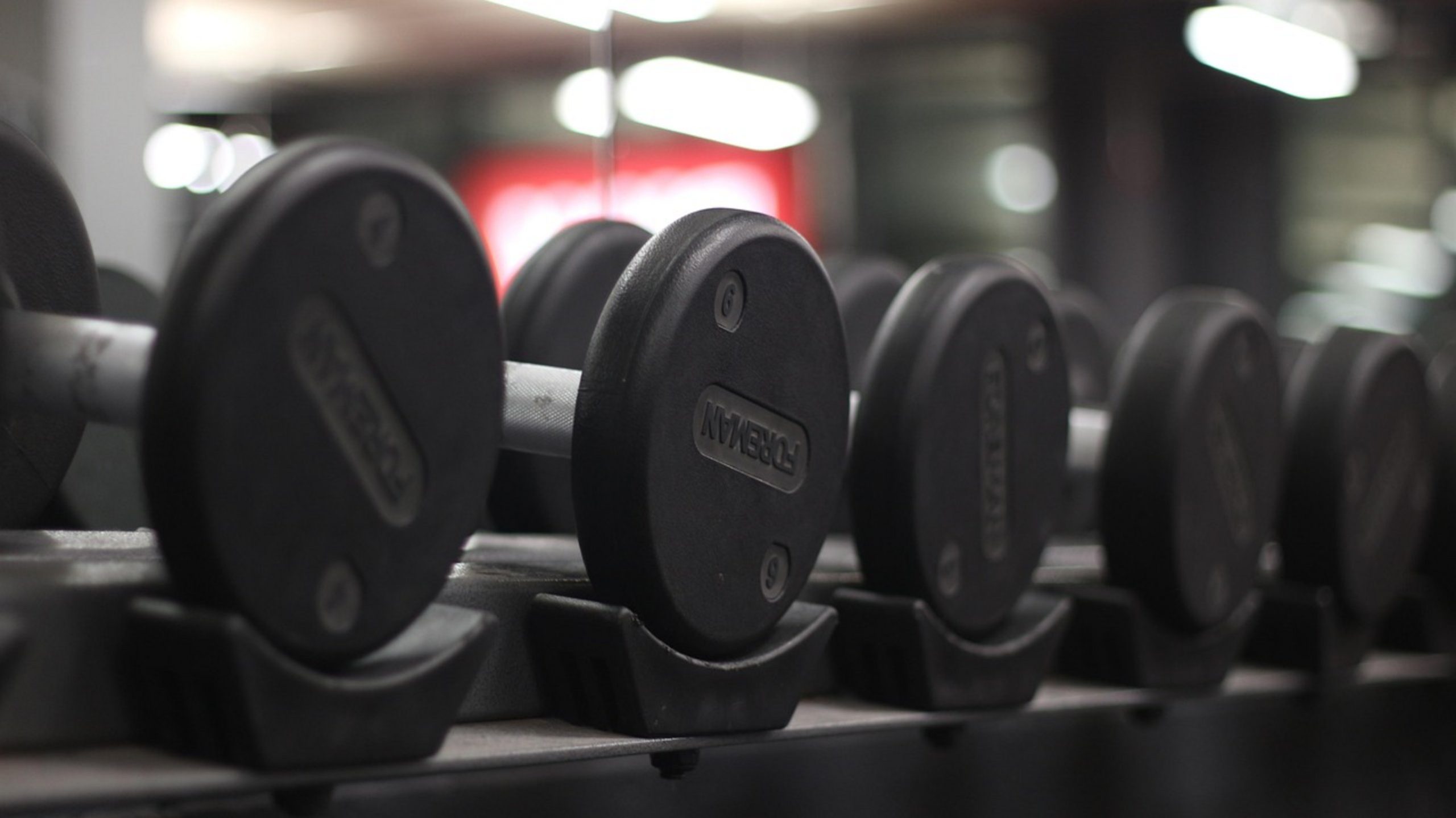
Compound movement allow you to use heavier weights. A lateral raise is an exercise involving small stabilizer muscles that should be focused on time under tension. A deadlift involve large muscle groups and should be challenging close to failure.
Both are fine; however, don’t make the mistake of using the same weight for each. If you use your squat weight for curls, chances are you’ll hurt your shoulders. If you use your curl weight for squats, chances are you won’t stimulate growth.
Match the load to the lift. When performing a set, listen to your body. Can you finish your assigned reps easily and still have energy?
Finding the Productive Struggle
Then the weight is too light. Are you having to drop your shoulders, swing your hips, etc., in order to get those last few reps completed on a set? Then the weight is too heavy.
You’re looking for that sweet spot where final couple of reps are do-able, but hard. That’s when adaptation occur. It’s productive struggle, but it sure feels like struggle.
Consistency Over Intensity
Consistency over intensity. It happens anytime. Anytime.
The temptation is to use the biggest dumbbells possible to wow yourself in the mirror or impress a friend. That’s how you get hurt and take months off from training. Instead of this, respect the progression.
Start where you are. Trust the process. Make consistent gains with consistant strength.
Use the dumbbell that gets you there, day after day, week after week.
