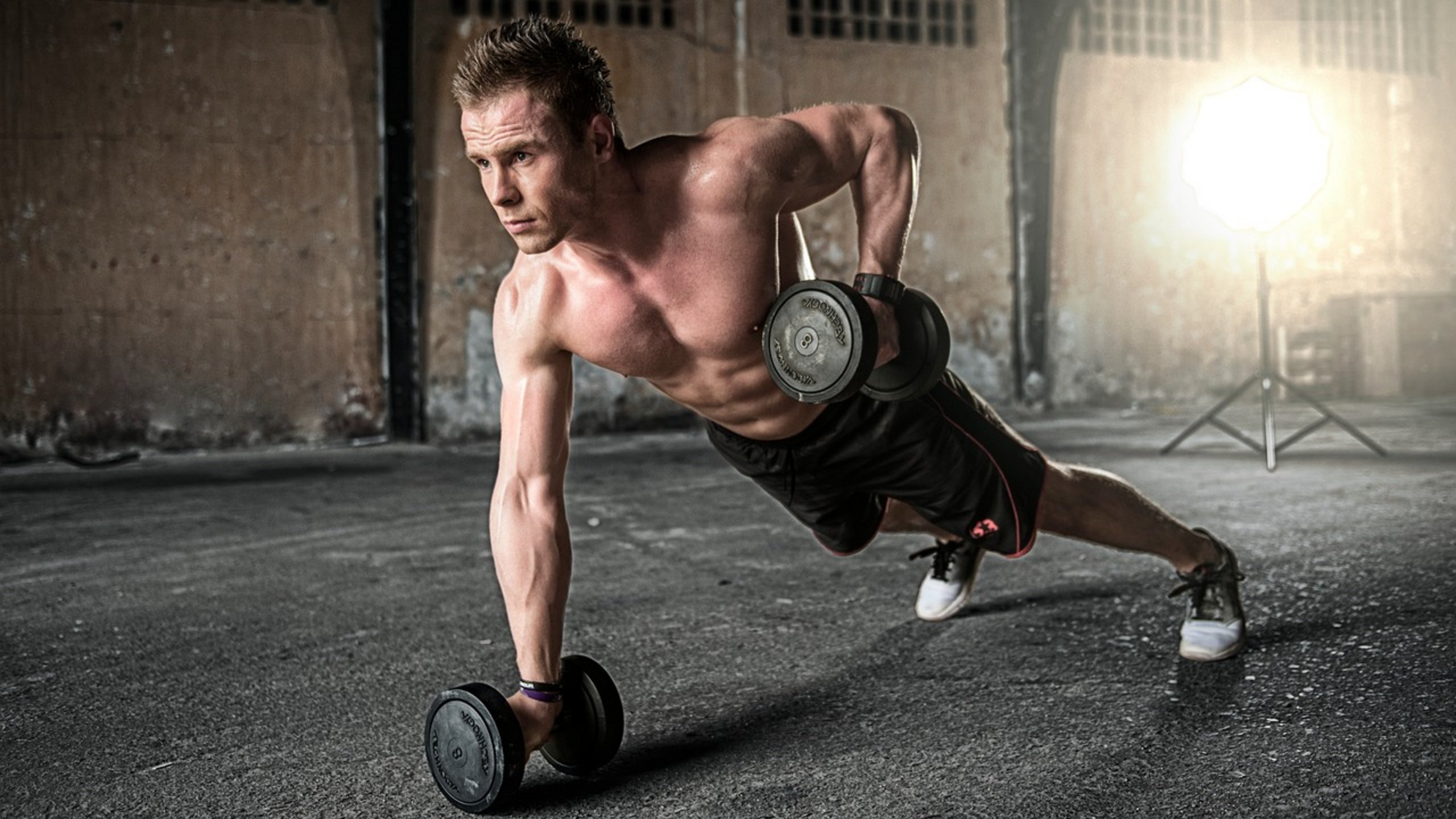
A home gym starts with its foundation. Investing in nice equipment is one thing, but investing in inferior flooring will cost you both money and comfortablly. It’ll cause ache and pains in your joints, wear down your equipement, and leave you with squeaky floor.
The quality of your workout depend on the quality of your mat: how much noise your barbell make when dropped, how stable your weight are when lifted, and how long your equipment last. Choose wisely and your workouts will be both safer then more fun. First, most people is concerned with how thick it is or how much it cost.
Buy a yoga mat? Get the one for lowest price. Need a shock-absorbing mat?
Buy the thickest foam roller you can find. Looking at price or thickness first miss the point. Yoga poses don’t need as much stability as heavy lifting.
High-impact movements absorb shock different than static stretching does. To make an informed purchase, match your activity to right material. A good floor needs to be dense rather then just thick.
Choosing the Right Mat for Your Home Gym Training
The Importance of Quality Flooring
For heavy barbell lifts, solid rubber, such as rubber flooring rolls (like those found in horse stalls) or interlocking rubber tiles will do the trick. Because they are solid, rubber floor don’t slide around, and since they’re heavy, it’s hard to pull them up. Plus, they’re nearly impossible to damage.
You can find them at places like local feed stores and brands like Fitness Mattress Company; they’ll stink when you first get them, and they look industrial, but that’s what makes them tough. They are the right option if moving weight is your goal. Thickness doesn’t matter as much as density; a half inch of quality rubber beat a couple inches of low-quality foam.
Solid Rubber for Heavy Lifting
Any cardio equipment create heat and vibration. Ellipticals and treadmills require a mat to protect floor from getting pounded while also providing airflow. Heavy duty vinyl or high density PVC roll out is ideal here.
For example, GymFloorDirect has mats made specifically for cardio machine. They absorbs sounds yet still provide a smooth surface which you can move machines on. Some rubber tiles is too rough on treadmill belts and can wear down prematurelly.
High-Density Mats for Cardio Equipment
Your goal is to isolate the machine from your floor joist. A good mat absorbs the kinetic energy of the machine so that it doesn’t transfer to downstairs neighbor. Choosing the Right Mat for Your Movement Type Both bodyweight exercises and functional training require a blend of grip and padding.
During your workout, you’ll roll on the mat, jump up onto it, and land on it. Purely foam can feel unstable for dynamic moves; purely rubber can slide out from underneath you with bare feet. A good compromise is either an EVA foam mat or a hybrid composite made off both rubber and foam.
High quality offerings are sold by Rogue Fitness and Rep Fitness. These mats has enough stiffness to keep you stable through a pistol squat, yet enough cushion to absorb shock during burpees. Look for texture, not something that’s rough enough to tear at your skin, but enough to grip the floor.
Hybrid Mats for Functional Training
Generic options is just as good as branded color choices, which many people overpay for. If space constraints force a compromise, strategic placement beat full coverage. Full room coverage isn’t always necessary.
Money or space constraints may mean you don’t need to cover every square inch. When this happens, just place some densely packed rubber under high-traffic area like heavy plates and squat rack. For the rest, throw down an exercise mat or something similar.
This layered method provide specific protection where needed while being less expensive. Plus, it’s easier to clean: you can simply vacuum underneath lightweight mats instead of picking up heavy rubber slab. Target the impact zone and protect the equipment; leave the rest exposed.
Strategic Placement for Limited Space
What’s the Best Mat to Get? For a home gym, there isn’t one universal perfect mat. It all depends on what type of exercise you’ll be doing.
If you’re lifting heavy weight, get some rubber. If you’re running, get a treadmill mat. If you’re practicing flow-based exercises, get foam.
First determine which activity is most important to you, then go from there. You’ll save money by prolonging the lifespan of your equipment, reduce the sound for your neighbors, and protect your knees in the process. You should of began at the bottom and everything else will fall into place.
Final Selection Tips