
You probably still haven’t used that gym membership you bought last year. The reason most of us don’t stick with fitness routine isn’t that we don’t have willpower; it’s because it’s too much work to get there. There’s traffic, which stresses you out, and then there’s always a late meeting that makes taking a shower less appealing.
Bring your workout into your house, and you’ll figure out how to fix it. You don’t need industrial machines in the big ol’ basement. To be honest, it doesn’t matter how much money you spend, or what size your home gym is… consistency is key.
Invest in equipment you can afford and fit into your space but more importantely, gear that will motivate you to get moving. Eliminate the barriers. Make your first investment small.
Don’t buy a treadmill until after you can demonstrate that you’ll actualy use it. For starters, try bodyweight exercises including lunges, squats, and pushups. No equipment necessary.
Simple Tips to Create Your Ideal Home Gym
Start with Bodyweight Exercises

And they works well. Then upgrade by adding resistance (but not much clutter) with adjustable dumbbells. The Bowflex SelectTech model replace a pile of fixed weight and also saves you some floor space.
Upgrade with Adjustable Dumbbells
The same can’t be said for cardio machines. Sure, treadmills sell… But they’re also bulky and pricey.
Choose Space-Saving Cardio Equipment
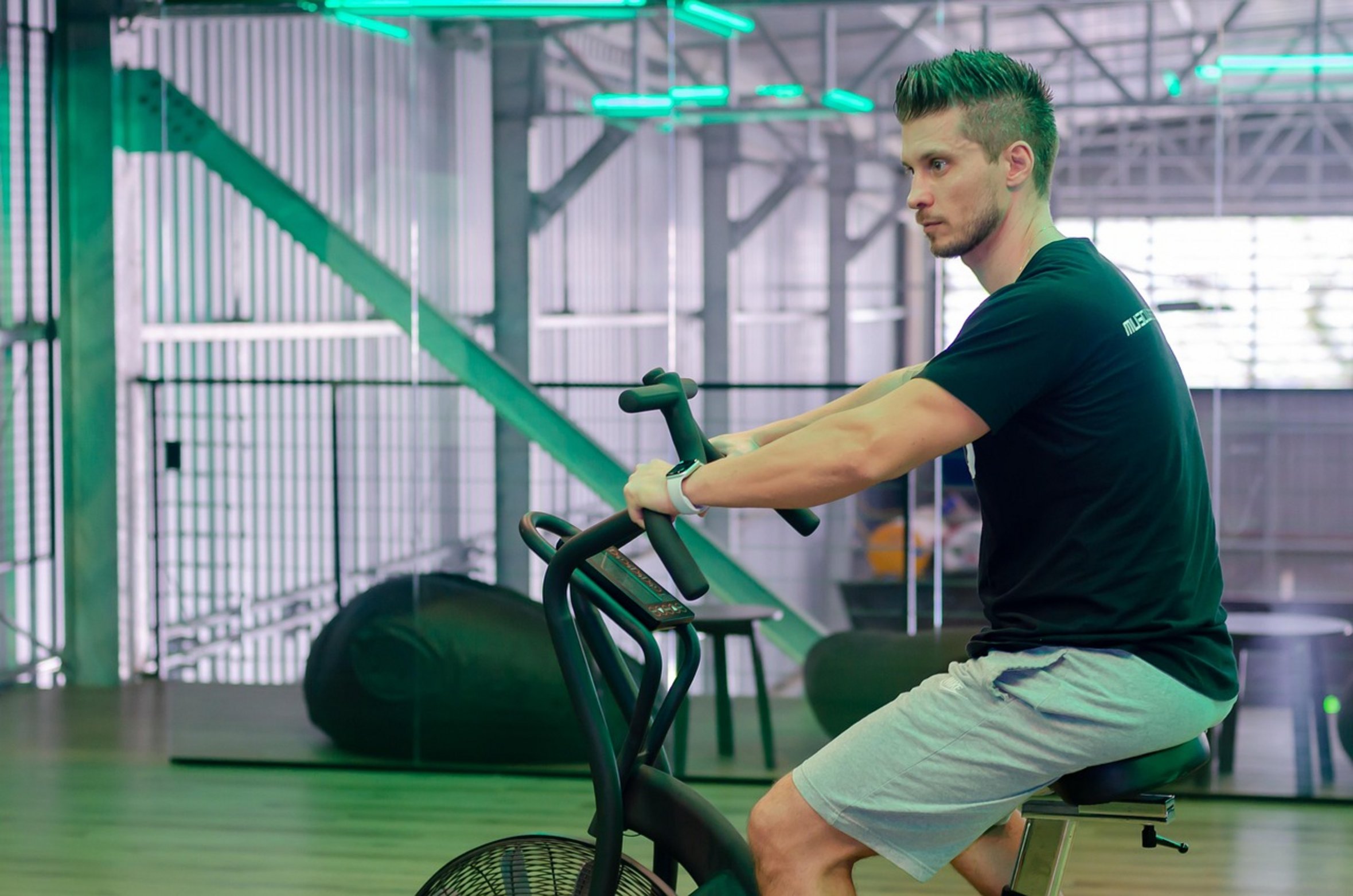
And what about folks living in tiny apartment? Go with a mini elliptical or a folding bike trainer. The likes of NordicTrack and Schwinn provides entry-level units that fold up.
Make it accessible. No one’s going to ride his bike if he has to shove the couch out of the way first. Position cardio machine where they’ll get seen.
Action follows visibility. Most home gym fail because of storage. Over time, the equipment pile up.
Keep Your Gear Visible and Organized
The piles discourages you from using it. Invest in simple wall-mounted racks. Buy simple shelf for equipment.
Toss resistance bands into a clear bin. Put jump ropes in a drawer (if they are a mess). An organized gym environment encourage focus.
A messy environment encourage avoidance. Don’t forget the floor. Hard concrete is rough on your gear and your joints.
Protect Floors with Foam Mats
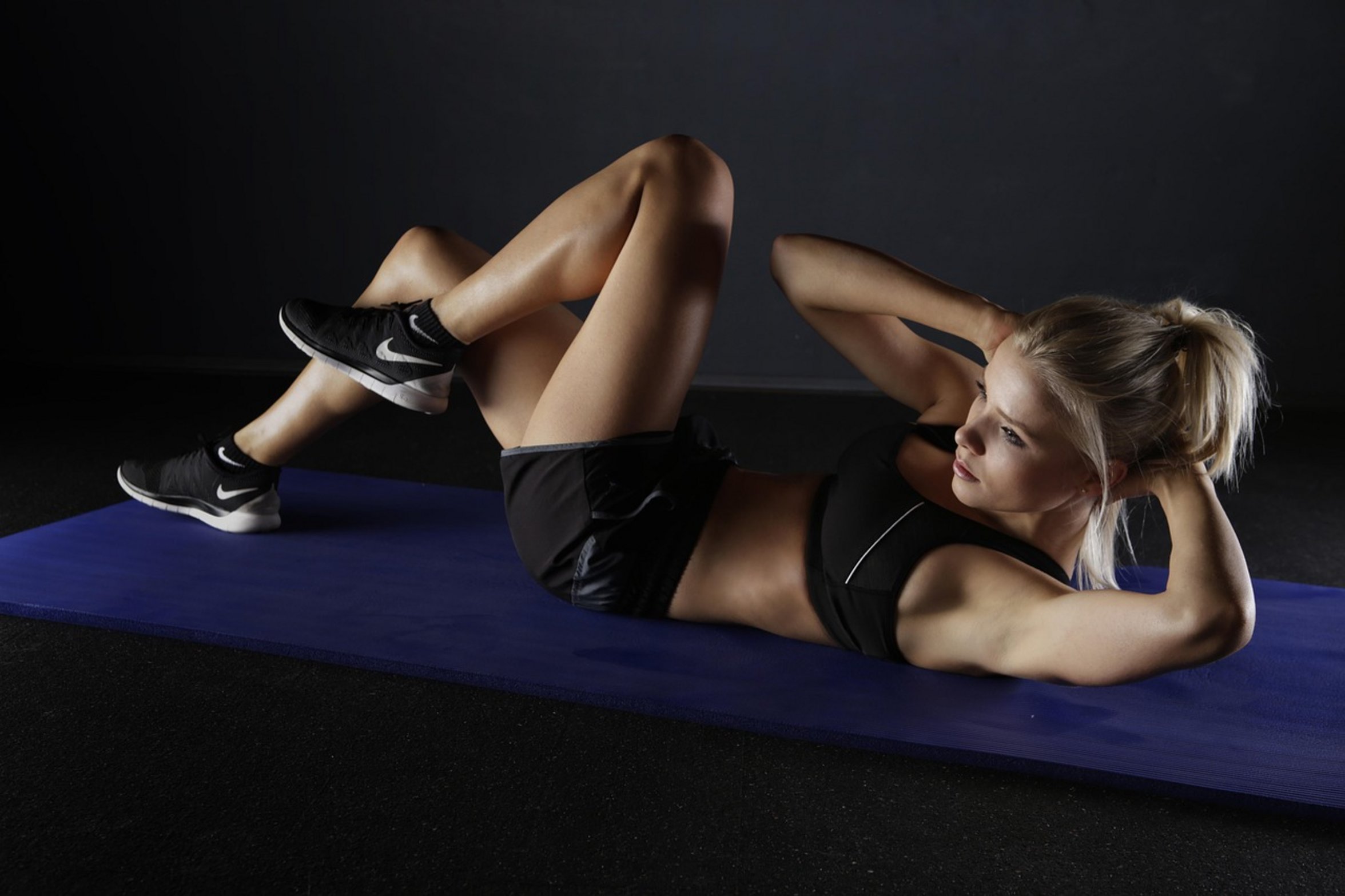
Create a safe zone with an inexpensive interlocking foam mat by companies such as Black Diamond or Serac. Protect your knees when you jump around to help absorbs some of the shock. Easy to install and they is cheap.
Cut them to size for odd shaped rooms. Roll them up when done. The upgrade will make it feel more dedicated to this use.
Add Lighting and Mirrors
And finally, use some lighting and mirrors. Use the best natural light if possible, or go for cool white bright bulb. Use mirrors to make the space look bigger and ensure your form are correct.
A full-length mirror leaning against a wall doesn’t need to be professionally installed and costs far less than it should of. It bounces around light, reflects space and allows you to see that you’re keeping your back straight when performing a deadlift. Looks tie into safety.
Build Your Routine Gradually
Build slowly. Begin with one item. Purchase that item.
Use it. Learn how to use it. Add on from there.
This way, you won’t regret what you buy, and everything will have a place. Without breaking the bank, you can turn your living room into a space of strength. Remind yourself why you began.
You wanted to move. You now has somewhere to move. It all becomes habit.
