
Why do most at-home gyms fail? Not due to a lack of willpower, but rather lack of prep: you purchased the barbells, you bought the rack, now you’ve dropped a forty-five pound plate onto the carpet, and realized your subfloor is compromised. Ouch, that’s expensive, and you’ll hear your floor joists screaming in protest.
If you’re investing in an exercise area, it pays to protect your joints, your neighbors and your equipment with the proper flooring. There’s a lot of stuff out there that looks like the same thing, but isn’t. For example, some rubber floor tiles is literally ground-up used tires; other types are designed specifically to handle heavy impact.
Knowing the distinction keeps you from cracking open your wallet, only to end up with a stinky or brittle floor. Let’s review main things to think about for each style of usage (cardio, powerlifting, etc.). Many folks start with interlocking foam mats.
Best Home Gym Flooring Options And Costs
Interlocking Foam Mats
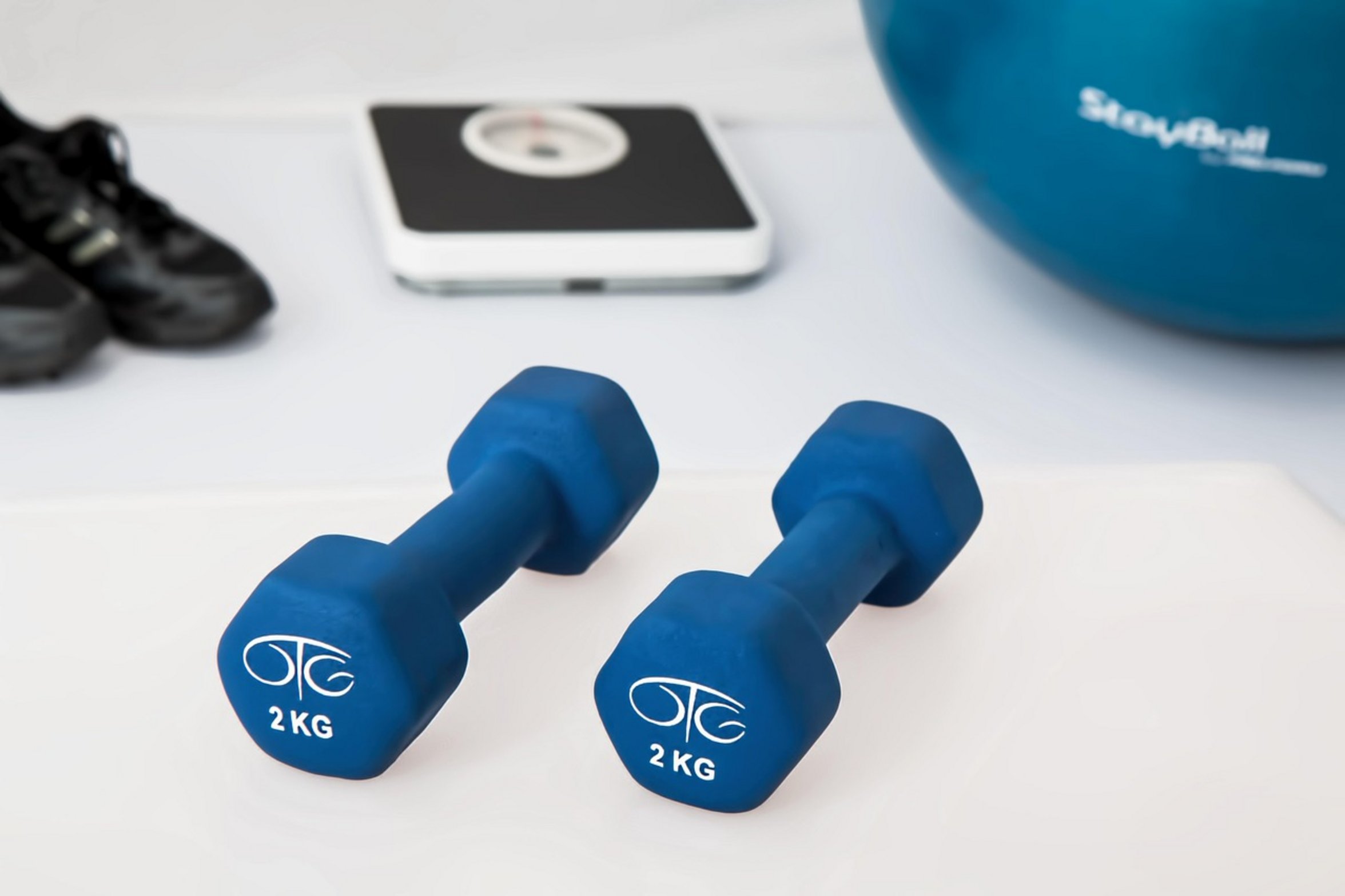
They’re inexpensive and can be installed without tools. Snap ’em together and you have a marked area. The mats muffle the sound of jumping exercises and offer some cushioning during yoga practice.
But they’re not hard enough for heavy equipment. Put a squat rack on one, and it will rock back and forth and its legs will sinks into the mat. Foam isn’t stable under heavy weight; it’s unsafe.
Stick to light-impact stuff on mats. Roll-out rubber mats are in-between. It is thicker and more dense than foam.
Roll-Out Rubber Mats
Two inches of thickness protects your knees on those burpees and will support modest weight. Available from companies such as yes4all and Gorilla Sports. The price is reasonable.
Unroll it, cut it to fit your room, and you are done. Downside: Over time, the edges curls up. It is not structurally sound enough for barbells loaded with heavy weight.
However, it is a good option for people living in apartments who lift moderate weights. For heavy duty use, if you’re going to lift on this floor, you want rubber. Usually a tile will be either new rubber or recycled rubber (meaning it’s actualy recycled tires).
Heavy-Duty Rubber Tiles
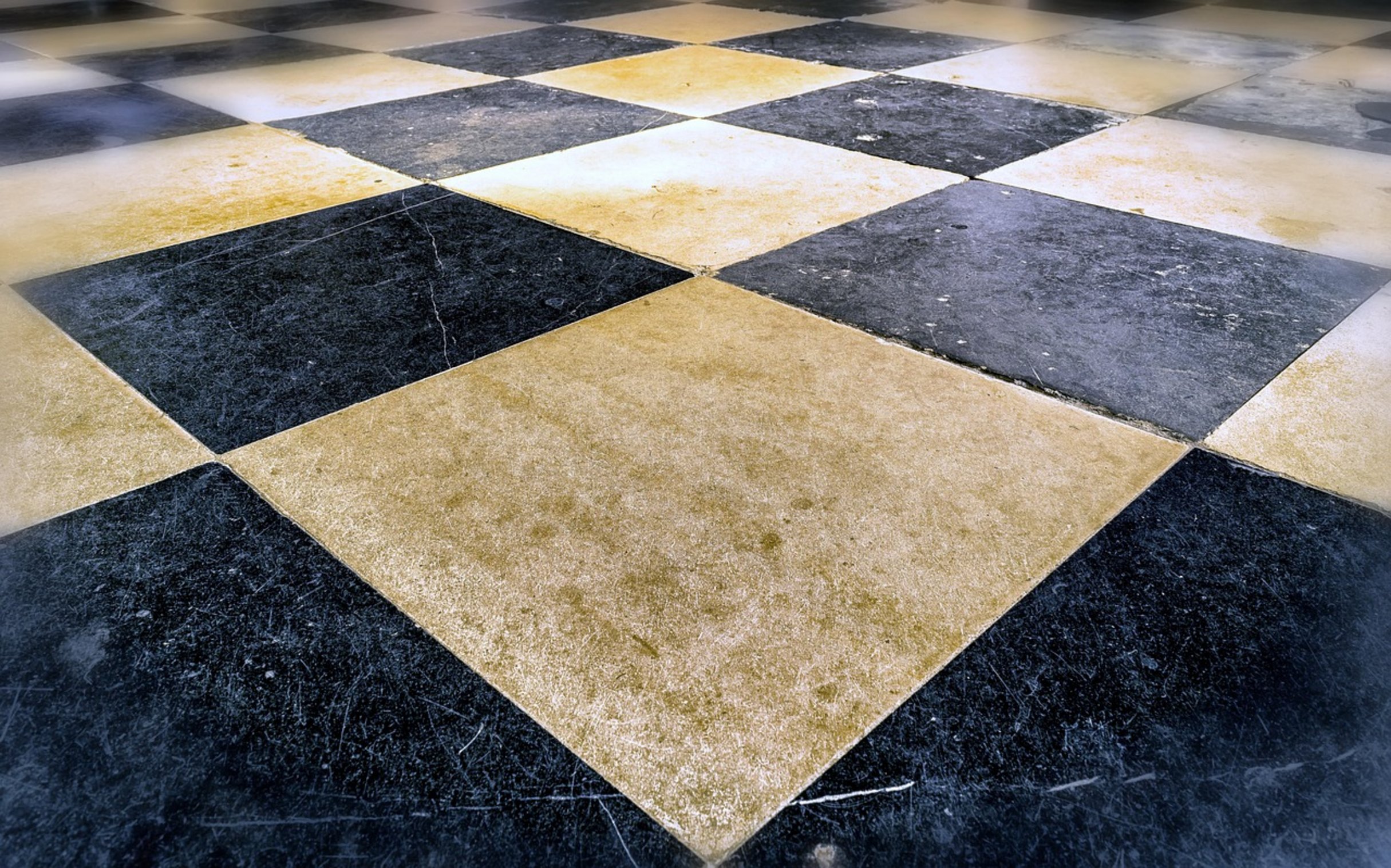
Recycled is less expensive. It’s also stinky when new. Companies like Titan Fitness or Rogue Fitness provide virgin rubber that is pricier but odourless and long-lasting.
Because the tiles themselves is weighty, they don’t move around. They won’t deform under dropped weights. While more expensive than the square foot, they last for decades.
An epoxy/urethane pour might be an option for those with a garage or basement floor. You’ll bring in a pro who will coat your concrete floors. The end result is durable, seamless, and hygienic.
Epoxy Garage Floors
It holds up well to spills (sweat, heavy machinery, etc.) No problemo. This is not a DIY job for the faint of heart. It is also pricey, which makes it the most expensive choice on the list.
But it’s also the nicest looking and does add value to the house. It transforms a garage into a legit fitness studio. In the end, it comes down to budget.
Foam….costs almost nothing! Rubber Tiles…moderate price. Epoxy……yikes!
Budget and Long-Term Costs
Add up the cost per sq ft, then add in the labor for install. Cheap now = expensive later. Replacing a mat every two years wouldn’t of been cheaper than buying something nice if you train on them all the time.
Save the floor underneath the mats. Buy high-quality items for the things you use most. Your knees will love you, your neighbors will love you, and your equipment will be safe from damage.
