
Walk into any commerical gym and you’ll find basic Olympic barbell resting on a rack. It is hunk of chrome steel, long and unassuming; yet it is the first variable in all calculations for anyone daring to step up and lift. If you guess weight wrong, you won’t know how much you are actualy lifting, which can ruin your workout or put your safety at risk.
On the surface, it’s a seemingly straightforward question. How much does bar weigh? But that’s not a one-size-fits-all equation.
In fact, it has everything to do with which bar you’re lifting, who made it and where did you purchased it. If you don’t understand this, you will make embarassing miscalculations. You will also track how much weight you’ve added in an imprecise way.
How to Determine Barbell Weight Variations
The Standard Men’s Olympic Bar
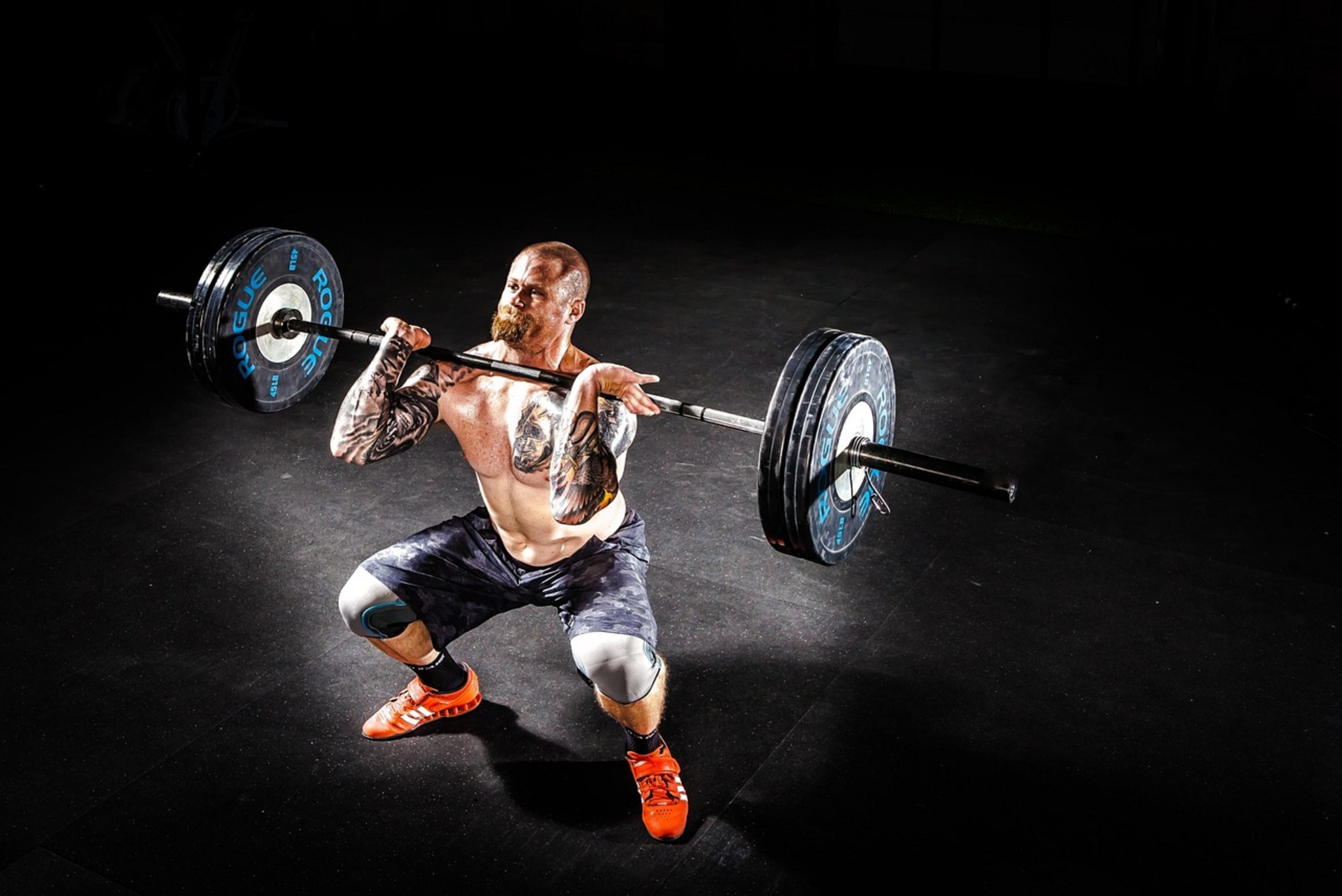
The first type of bar you’re likely to see in any serious gym is the standard Olympic bar. You’ll find these in commercial fitness center and weightlifting club, those long, shiny bars designed to be used for things like bench presses, deadlifts, and squats. A good Olympic bar for men weighs forty-five pounds nearly every time.
That’s twenty kilograms, the international standard used in competitions worldwide. It’s built into design. There’s no need to use a scale because you know exactly how much you’re picking up.
For lifters, knowing how much weight they’re lifting should of been an immediate thing. You see two forty-five pound plates on either end of a forty-five pound bar? That’s one hundred thirty-five pounds.
The bar remains constant. Which make sense. It become a benchmark for athletes who want to compare their lift over time and in other gym throughout the years.
Without it, personal record keeping would became almost impossible for those in the competitive world.
Lighter Training Bars
Step outside of the competition floor, however, and things begin to shift rapidy. You’ll find many budget commercial gyms and home gyms has ten-kilogram bars that resemble the standard forty-five pounder, but weigh much less.
Without knowing specifically what to look for in a bar, these bars will trick your eye. They might not have as long of a sleeve and their knurling won’t be quite as detailed. But at a glance, they does the trick.
Often times, these bars weighs about forty pounds and maybe even less. It may not seem like much, but it makes a world off difference when you’re loaded up with a max effort.
Trap Bars and Hex Bars
And then you get into special bars that work for certain moves. One example is a trap bar. It usually weigh anywhere from 50 to 75 pounds depending on what it is made of. The more steel there is, the thicker the steel become, which makes the bar weigh more when it’s empty.
And guess what? That’s not a bad thing. That’s one of things that makes the bar stable.
Remember its base weight has to be figured in before any plate are put on the bar.
Women’s Olympic Bars
Another source of confusion is the women’s Olympic bar. The bar is lighter and shorter different than that used by men.
The women’s bar weigh only fifteen kilograms, which equals about thirty-three pounds. Also, the sleeves is narrower due to smaller diameter weight plate. If you use wrong conversion factor here you throw off your whole loading scheme.
EZ Curl Bars
When in doubt, look at stamp on the bar sleeve. People use shorter curved bars for doing bicep curls. Those are e-z curl bars.
These too comes in many different weights. Some will be as little as ten pounds and some heavier version will be closer to twenty or even more. Don’t just guess what they weigh.
Verifying Bar Weight
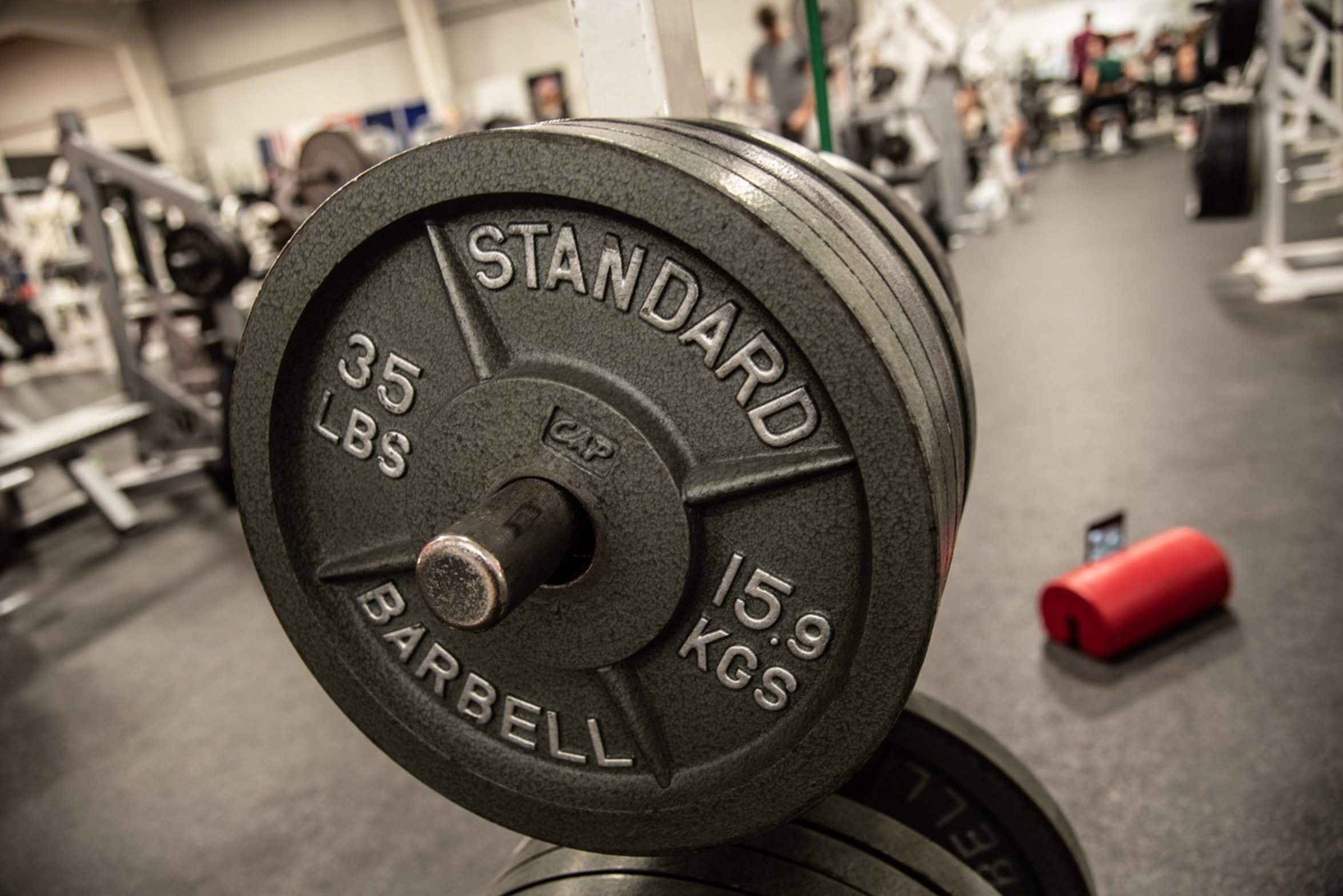
Find out by weighing them on a calibrated scale or by looking at the weight stamped on the bar by manufacturer. If it say ten but is really fifteen, you’ve added extra resistance to all your reps. But this point is obvious yet important.
Just because a bar looks like x amount of pounds doesn’t mean it are. Ask employees at the facility. Look for engraving on the sleeve.
If using bars in your home gym, weigh them all at one time and mark them down. Convenience isn’t as important than accuracy. Knowing how much that bar weighs puts you in control.
Controlling the variable make for good strength training. First, locate the number that’s stamped onto your bar. Write it down.
Before adding the plates, add it into your logbook. This simple practice eliminate guessing for your routine. Knowing exactly what you’re lifting makes you a better lifter.
The first weight you load is the bar. Count it right.
