
That’s certainly true with the exercise bike. It sit quietly at far end of living room and offers a simple way to burn calories without hassle of weightlifting or running. Problem is, most of us purchase one, ride for a few weeks and turn it into an expensive clothes rack soon after.
And why? It is not because there’s something wrong with the machine. More likely, it has nothing to do with anything but lack of realistic plan.
No need for marathon of willpower. No need for a plan that require you to overhaul every aspect of your life. Use a strategy that fit into your real life.
It is a strategy that doesn’t require you to transform yourself into professional cyclist overnight. Instead, create a habit that sticks. Consistency matter.
Intensity isn’t required. Show up (even when tired). First, determine your current level of fitness.
How To Build A Realistic Exercise Bike Plan
Set Specific Actionable Goals
What does “fit” look like to you? Why isn’t this the first step? Everyone’s idea of fitness is vague, they want to lose weight, get toned.
These aren’t actions; these are outcome. Instead, commit to an action: ride for 20 minutes three times per week. That is something you can control.
It is specific, measurable, and achievable. Hit the mark, you win. The results will come from behavior.
Once you define the action, you can track your progress. People don’t realize that you’re getting a great workout when you use resistance while biking. A lot of cyclists leaves the tension dial set to zero.
Use Resistance to Build Strength
Then they just pump their legs really fast without much effort. While this will help burn some calories, it won’t build much muscle. Make yourself feel the resistance.
Increase the resistance until you feel as if your legs is pushing against something substantial. Imagine you’re riding uphill, not steeply, just enough so that you need to take deeper breaths, but still at an even pace. That’s going to engage the right muscles (glutes and quadriceps), changing a cardio session into strength-building one as well.
The thing about interval training is that it’s efficient. Perhaps you don’t have an hour to ride every day. Maybe you can find half an hour.
Try Interval Training for Efficiency
That’s where intervals comes into play. Do something intense for 30-seconds followed by 90-seconds of easy recovery. Do this six or seven times.
Essentialy, it reflects how we move throughout our lives. It gets your heart rate up then maintains it at a slightly lower level (even during recovery). The net effect?
More calories burned in less time. Twenty minutes feels like more work different than 40-minutes of steady pedaling. Consistency beat intensity every single time.
Instead of crushing an hour-long ride once per week, it’s better to ride for 15 minutes each day. Riding will eventually become part of your lifestyle, whereas the other approach leads to injury and burnout. Find those moment throughout your day.
Prioritize Consistency Over Intensity
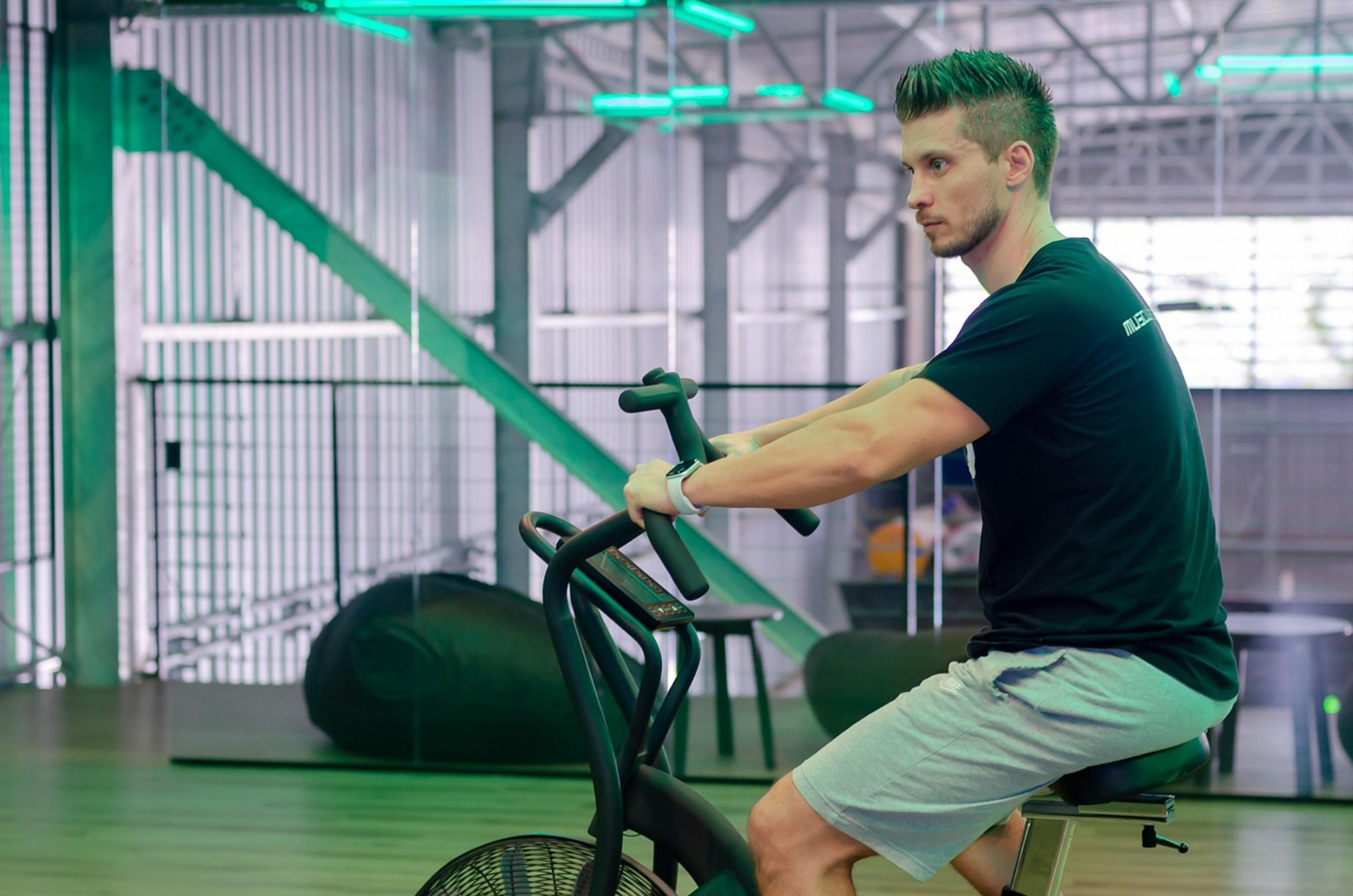
Listen to a podcast while riding on your lunch break. Watch the morning news and ride instead. Split up the workout into smaller chunks.
Two, ten-minute rides is far better than one missed hour. Your body only adapts to what you do regularly. Make it regular.
Record your numbers, but don’t become a slave to them. Most moddern bikes now display or app data: heart rate, distance, speed. Let those be your feedback, never your judgment.
Track Progress Without Obsession
Are you going further then last week? Does your heart rate drop with equal exertion? That’s progress.
Don’t let one poor day derail you. Have you missed a ride? Get on tomorrow and make up for it.
Guilt isn’t a fuel source. Progress is. The bike will wait for you.
It doesn’t give a damn what excuses you come up with. It only reacts to how hard you try. Your seat position is more important than you realize.
Adjust Seat Height for Comfort
Stop if your back hurts or your knees hurt. Level your hips with (or slightly above) your pedals at full pedal stroke. When your knee is fully extended, there should be a slight bend in your knee.
Too high… Your hips will rock. Too low, you’ll strain your knees.
Get it right and the ride is comfortabley. You can ride longer when you’re comfortable. You would of to ride long enough for plan to work.
Working out on an exercise bike doesn’t require misery. Working out on an exercise bike requires nothing more than showing up. It is nothing more than transforming a hunk of metal and plastic into your personal partner for getting healthy.
The machine’s there. The plan is there. All that remains is to find a seat and get pedaling.
One spin at a time, it’s the revolution.
