
It’s a myth that you need a gym filled with shiny machines. Most everyone begin with little more than a couple of dumbbells and an area to use them. Strength training doesn’t require a gym, all you need is iron and the willpower to use it.
Dumbbells are incredibly versatile tools capable of targeting almost any major muscle. The simplicity save both money and space. Less friction mean less temptation to cut out a session.
When the equipment is simple, you’re less inclined to sit around thinking about when and how long it’ll take to get there. You pick up weights and go. That leaves you free to concentrate on how you move instead of planning the details.
How To Train With Dumbbells At Home
The Simplicity of Dumbbell Strength Training
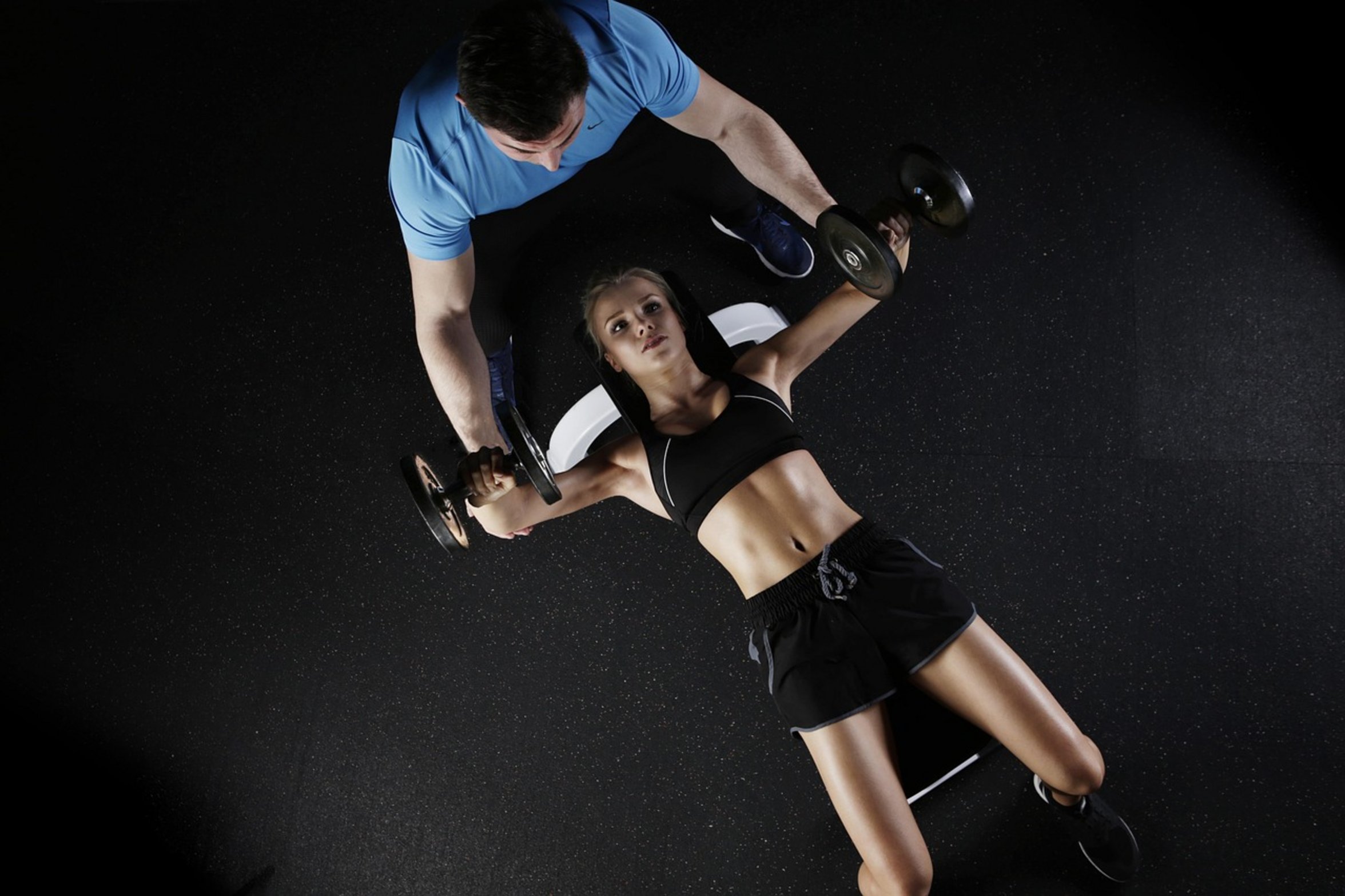
Compound movements are time-efficient. Compound movement engage various muscles in one exercise. For instance, in a goblet squat, grab a single dumbbell at your chest level than descend into a low squat.
Maintain an upright posture with your chest up and heels flat on the ground. Your glutes, quads and abs will work. You’ll test your balance as well.
Result: You’re building useful leg strength for your everyday life. This is more practical then isolated machines. When it comes to pushing motions, try to mimic how you would lift in real life.
Mastering Compound Movements Like Goblet Squats
For example, if you want to do a bench press but don’t have a bench, there’s an alternate exercise that will work your triceps and pecs while being easier on your shoulder: the floor press. Lay down on the ground with a pair of dumbbells by your chest and press them up towards the ceiling. Your shoulders can’t overextends onto the floor.
This will put less stress on your shoulder joint. In home workouts, exercises that target pulling muscle tend to be overlooked. Back is a good example.
Shoulder-Friendly Pushing Exercises
Your main tool is a dumbbell row. With a flat back, bend forward and use one arm to pull the dumbbell up until it’s near your hip. Keep the other arm straight and keep the elbow tight to your side.
The rhomboids and latissimus dorsi (lats) is targeted. They’re essential for spinal stability and posture. Most exercisers think they’re working their backs but really feel it in their arms.
Effective Pulling Exercises for Back Strength
At the top of the movement, squeeze your shoulder blades together. It’s a great way to feel the muscle working so you can gets more out of the move. Balance pushing with vertical pulling motions.
A bar is optional; use a staggered stance with a single-arm row. Hinge at the hips with one foot planted forward. Place your opposite hand on something sturdy to support your bodyweight.
You’ll be able to concentrate on your pulling arm. This targets the lats and corrects muscle imbalance. Everyone has a dominant side, one-sided work forces each side to work equally.
Correcting Imbalances with Single-Arm Rows
Posterior chain development will ensure leg health. Glutes and hamstrings is developed with the Romanian deadlift. Hinge at the hips, holding one dumbbell in each hand.
Maintain slight knee bend. Lower weights towards shins as far as you feel the stretch. Drive your hips forward to return to a standing position.
Protecting Your Lower Back with Romanian Deadlifts
Hip hinging is a fundamental pattern used for safe lifting. You don’t want to skip it, because if you do, it’ll cause lower back problems. A small investment of time now would of pay off big down the road.
Intensity isn’t everything. Consistency is key when it comes to long term gains. Don’t go to failure each workout.
Shoot for 3-4 workouts per week. Pay attention to form and controlled motion. Allow the weight to drop gradually.
Only increase speed during your ascent. Time under tension help build muscle effectiveley. Have faith in the process.
Prioritizing Consistency and Controlled Motion
Do the work, and the results will come.
