
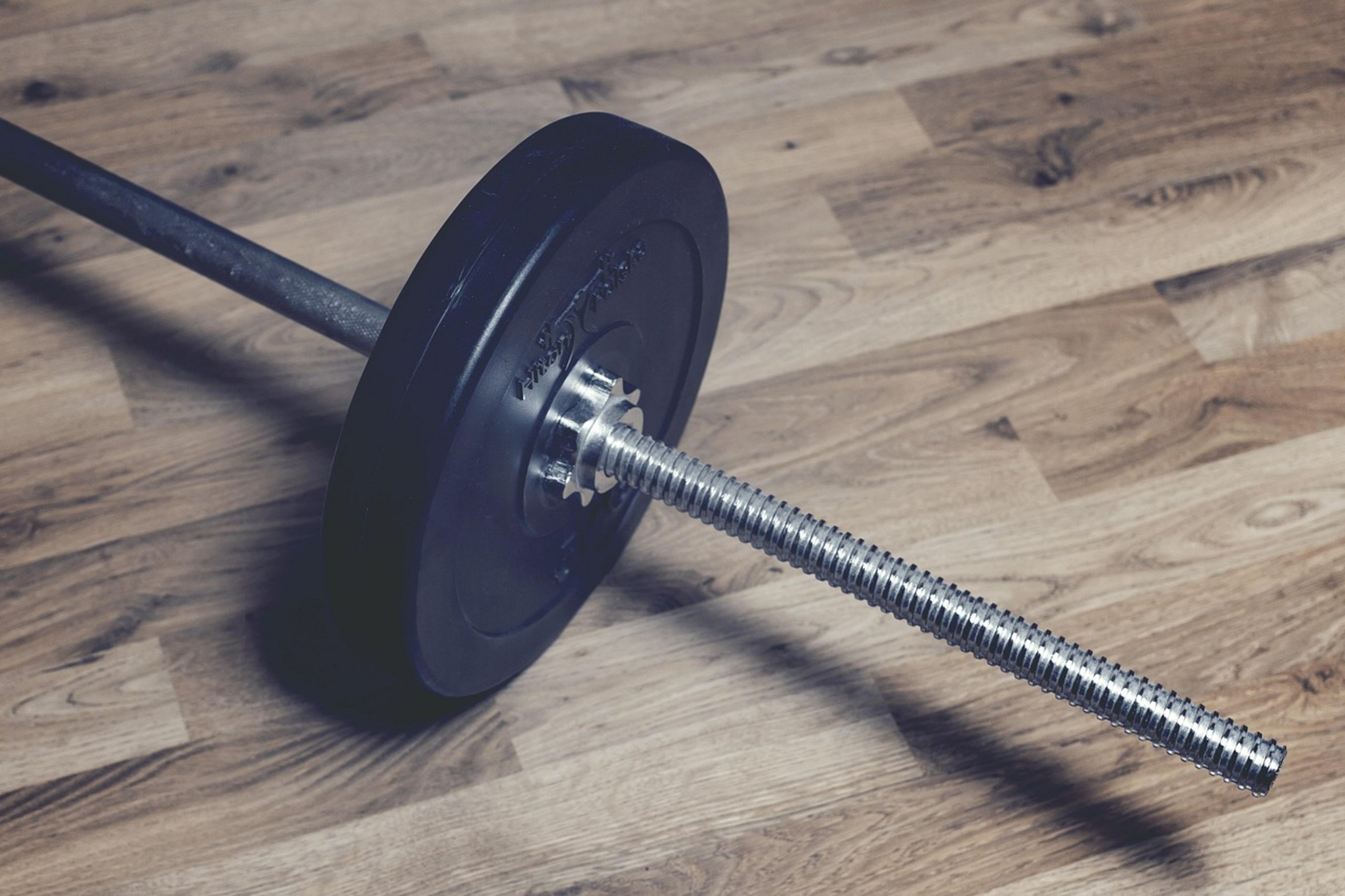
A bar comes down off the rack. You’re in gym or have your own corner at home. It’s a round bar but shaped different than a straight barbell.
Before you try to pick it up, you’d like to know what it weighs. How much does an EZ curl bar weigh? This confuse new and experienced lifter alike.
Why? The answer is in how each of these bars differs depending on where they came from. A budget home kit bar are made to support light resistance.
A bar at your local commercial gym is made for heavy resistance. Understanding this difference avoids both injury and programming error. It helps you understand how to program.
Understanding EZ Curl Bar Weight Differences
Commercial vs. Home Gym EZ Curl Bars
I know that a certain bar feel like twenty pounds. But it’s actualy thirty. That means my progressive overload calculation are off.
It can throws off my form and stall my gains. You should of care about the real numbers behind the curve. Those commercial gyms use a heavy-duty tool for their EZ curl bars.
You’ll see brands such as Rep Fitness or Rogue that produce them out of thick steel. These bad boys holds up to heavy weight and high volumes of work. They reduce wrist strain and mimic a straight barbell.
Your typical commercial EZ curl bar range from 30 to 35 pounds… Nearly that of an average Olympic bar (typically 45 lbs). Why?
It’s shorter in length; it only use material for the curve itself; and the sleeves aren’t as long. So if you’re adding any weight, take that into consideration. There is also the home gym bar.
Lots of folks will begin by purchasing small bars from online retailer and big box stores. These are available with weight plates or even a set of dumbbells. They are marketed as being easy to use, not for heavy lifting.
Entry level version of these light duty EZ curl bars will go down to ten pounds. Light-duty EZ curl bars often weigh between fifteen and twenty-five pounds. Because they are so lightweight, it’s easier for you to pick one up in tight quarters.
Weight Differences Between Bar Types
And because you’re not moving that much weight, you’ll lift less total weight then you think. Length also plays a role in the bar. Typical commercial bars measure roughly five feet while home bars may be as short as three feet.
Length and Grip Considerations

Of course, it is easier to store a shorter bar, but it restricts your grip possibilities. Bar length also affect the weight distribution. Shorter = Less Plates A shorter bar can make the weight distribution feel different as you load it.
This changes the sensation when lifting it. With a short but heavy bar, your hands becomes crowded by the weight of the plates. Your grip may feel uncomfortably.
With a long but lightweight bar, you risk flexing the bar with moderate weights. Quality materials determine weight and longevity. Denser metals is stronger.
They also contribute to the overall weight. Lower grade steel, or thinner walls, is common in cheaper bars. They’ll cut back the weight and decrease the bar’s life-span.
Steel Quality and Safety
For anyone wanting to go heavy, buy a thicker steel bar. The added weight is worth the security. Don’t expect a 20 pound bar to handle hundreds of pounds safely.
It will bend, and bending bars are dangerous. Always read up on the specs before making a purchase. Don’t guess at the weight just by looking at the bar.
What appears as a thick bar could actualy be hollow. Read the product description so you’re not surprised when picking it up for the first time. Knowing exactly what you have lets you train precisely.
You can get an accurate estimate of your one-rep max. You can monitor your progression without any guesses. Having clear information turns a generic workout into a well-designed program. Why did they make that curved bar?
Ergonomic Benefits of the Curve
It’s ergonomically designed to keep your wrist in line. It also take pressure off the joint. That’s why you see guys use it for their bicep curls and triceps extensions.
The joints matter most when lifting weights. But so does the weight. For your totals.
Tracking Progress and Logging Weight

To be consistent, always subtract the weight of the bar from the total weight of the load. It makes your logs accurate, and your expectations realistic. Work with what you’ve got.
If you’ve got a light bar at home, concentrate on control and form. When you’re strong enough, think about investing in a heavier commercial-style bar. It’s worth the upgrade if you want to lift seriously.
Don’t fear the weight. It’s only a number. Let it tell you what to do.
Regardless of whether you’re competing or lifting for fun, having an idea of what you’re using helps. Next time you reach for that curvy bar, take a minute to glance at it, measure it or check the label. A little knowledge goes a long way towards making you a stronger, smarter lifter.
