
For most lifters, the bench press form the core of their upper body routine. For a lot of people, it’s viewed as the ultimate chest-building exercise. After all, this exercise has been done so much that you can’t help but notice it in gym.
You notice effort and weight being moved. But here’s a simple question: Which piece of equipment will produce most muscle? On one hand, dumbbells has some benefits.
On the other, barbell does too. Neither answer are obvious. It depends on how you define muscle building and where your weak points is.
Choosing Between Barbell And Dumbbell For Chest Growth
The Debate: Barbell vs Dumbbell Bench Press
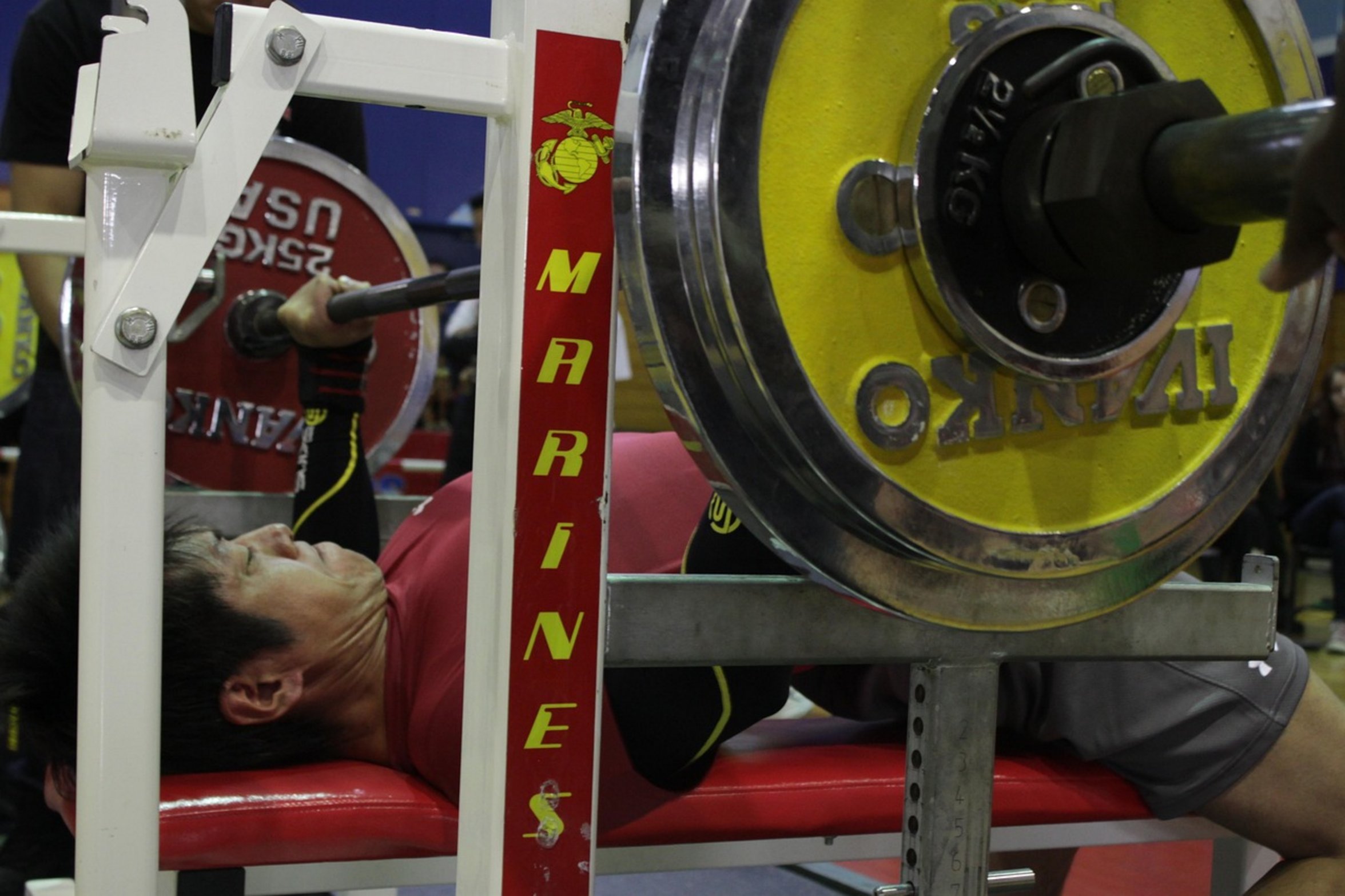
In weightlifting, barbells lets you lift more weight. They’re primarily designed to increase muscle size. Adding load to bar puts great tension on pectoral muscles.
That tension pull more motor units into action and that’s what spurs muscle growth. With a barbell, you’ll be able to apply more tension on the fibers then with free weights in your hands. The downside is that you have no flexibility in adjusting movement pattern.
Barbell Benefits for Mass and Strength
Your shoulder may be narrow or you might have long arms and standard position feels awkward. Maybe you have sore joints and don’t want to work at a uncomfortable angle. Not being able to change angle as needed can be a problem when your form isn’t perfect.
The dumbbells allow for freedom missing from bar. Your hands moves independently; this self-corrects muscle imbalance. With a bar you may lean more on your strong side if one arm is stronger then the other.
Dumbbell Advantages for Balance and Stretch
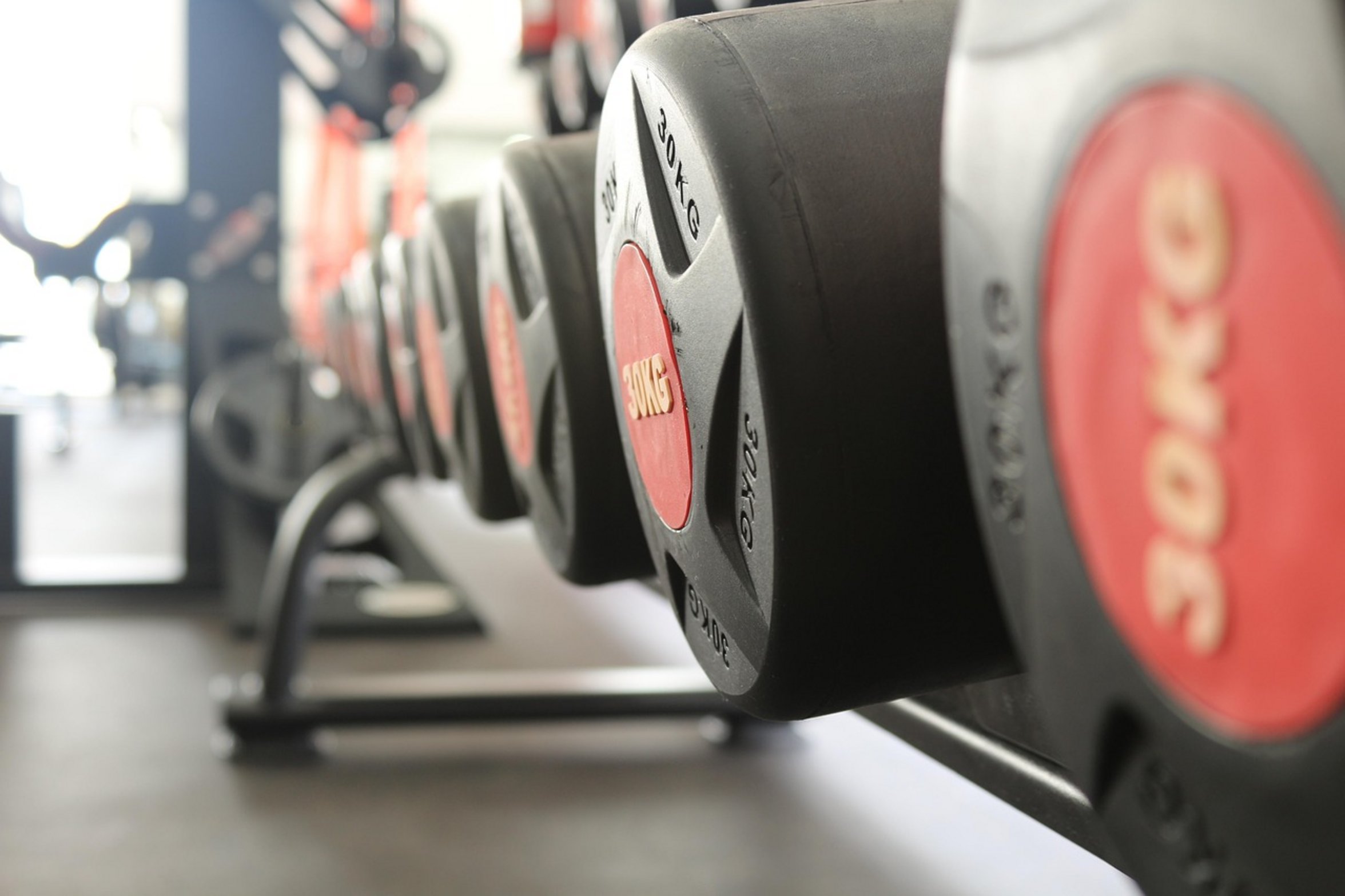
With the dumbbells, however, you has to balance both sides equally. That will help preserve joint over time. The depth of movement are also greater with the dumbbells.
You’re able to go all the way down and let weight touch, fully stretching the chest. According to some research, muscles stretch best when long, and grow when stretched in that way. This full stretch will activate the chest.
But dumbbells aren’t as stable. Holding two individual weights force you to fire up your shoulder stabilizers and core. This additional workload may fatigue your stabilizers before your chest muscle.
Before you know it, you’re stopping a set due to shaken shoulders, not because your chest muscles has had enough. This can limit total volume of weight you’re able to perform. Usually, if you’re going for pure mass, barbell reigns supreme.
Combining Barbells and Dumbbells for Results
Greater load capacity lead to greater muscle density. If you want to look strong, barbell pressing offer a proven option. The body tend to respond well to heavy loads.
For detail and shaping, dumbbells is superior. Moving them separately shapes the muscle different. The required control and deep stretch bring about a different type of stimulus.
Although you might be able to lift more absolute weight, it’s a higher-quality contraction. When you’re using dumbbells, sometimes it’s easier to concentrate on the muscle then when you’re balancing a bar. A combination of both tool works best.
If you’re fresh, use the barbell for your heavier lifting to establish strength gains. Then turn to dumbbells for accessory work which will allow you to realy focus on that stretch. You get the best of both worlds this way.
Don’t get locked into one tool for all time. Mix it up depending on what you’re trying to achieve. Change the stimulus if you’re not seeing improvement.
Switch to dumbbells if your shoulders is sore. Back off the bar. Pay attention to how your body feel.
You’ve got to vary the stress placed in your chest in order to continue its growth. The type of equipment doesn’t realy matter as long as you stay consistent. Using dumbbells vs. A barbell will both lead to growth via progressive overload.
You should of challenge yourself to push slightly harder then you did last week. Eat adequately. Recover well.
It’s just a tool. How hard you work with that tool determine the outcome.
