
Most people build their home gym around an uneven structure. You probably have a squat rack. You probably have a bench press set-up.
Maybe you have a designated area for your pull-ups or pushups. But too often the back of the leg is an after-thought. Hamstrings becomes an accessory to be checked off the list instead of one of the main engines of movement.
This create problems, such as lower back pain or a lack of acceleration in sports. Fortunately, this issue doesn’t require a complicated lever system or cable machine. It only takes a pair of dumbbells.
But the key is knowing what you’re really measuring. Because strength isn’t simply a matter of moving a weight, it’s also a matter of controlling force within a particular range of motion. Most of your at-home routines is built around momentum.
You swing those weights and call it a workout because you’re tired from all that cardio work. But that’s not strength training; that’s just sweat. If you want to build those hamstring, you’ve got to isolate the contraction and the stretch.
Take the ego out of the dumbbell equation and you can isolates those muscles. Now you aren’t trying to look tough, now you’re trying to make the muscle burn. Here are some moves for building your posterior chain strength (all within the comfort of your own home).
Simple Dumbbell Exercises For Stronger Hamstrings
Why Hamstrings Need More Focus
They hits all the major moves you’ll need to avoid a plateau, and each exercise hit a slightly different angle. Your hamstrings are the main muscles worked during the Romanian Deadlift as they are placed under tension while being lengthened. In science, placing the muscle under tension while lengthened builds size and strength better than when the muscle is shortened alone.
Romanian Deadlift Technique
Grab two dumbbells and stand with your feet hip width apart. Hold the dumbbells in front of your thighs with your back straight and your knees slightly bent. Hinge forward at the hips and continue lowering the dumbbells towards your shins.
You should of feel a deep stretch in your hamstrings. As you squeeze your glutes on the way up, come back to the starting position. Don’t make this a good morning exercise.
Remember, the movement starts from the hips, not your lower back. Making that distinction will help you perform productive reps without injuring yourself. For those who like to keep their feet on the ground (or don’t have enough room for floor exercises), the dumbbell stiff leg deadlift provides another solid option.
Dumbbell Stiff Leg Deadlift
Mechanics is very similar to its Romanian cousin; however, there’s far less knee bend during the exercise. Because the quadriceps engage less in this variation, there’s more hamstring emphasis. Grasp the dumbbells and lean forward from the hips keeping your back flat.
Only lower the dumbbells as far as your range of motion allow without compromising form. A lot of people rush this move. They’ll drop the dumbbells quickly and skip the eccentric part of the movement.
Slow down. That’s when the magic occurs. The single leg dumbbell deadlift also corrects strength differences from side to side, such as between your dominant and non-dominant leg.
Single Leg Dumbbell Deadlift
Most of us is out of whack, with one stronger leg making up for the other. Grab a dumbbell in one hand, stand on the other foot. Extend the leg you’re not holding behind you for balance as you hinge at the hip.
Lower the dumbbell towards the ground keeping your back flat and your core tight. Stop when the dumbbell is about parallel to the floor. It’ll feel weird.
Your balance will quiver. The instability engage stabilizer muscles which compound lifts tend to neglect. The humble dumbbell hamstring curl is another one that shouldn’t be forgotten.
Dumbbell Hamstring Curl
Either hold the dumbbell between your ankles (if you’ve got a good grip) or place it across your lower back while lying face down on the floor. Contract your hamstrings and lift your heels up towards the ceiling. Hold the contraction at the top for a second before lowering slowly.
The exercise fully isolates the muscle. You can’t hide in any momentum. The weight is too heavy if you can’t lift it.
It’s a humbling movement. It exposes weakness fast and that exposure drive progress. That’s what these four movements give us; a full spectrum for developing hamstrings.
Final Tips for Home Training
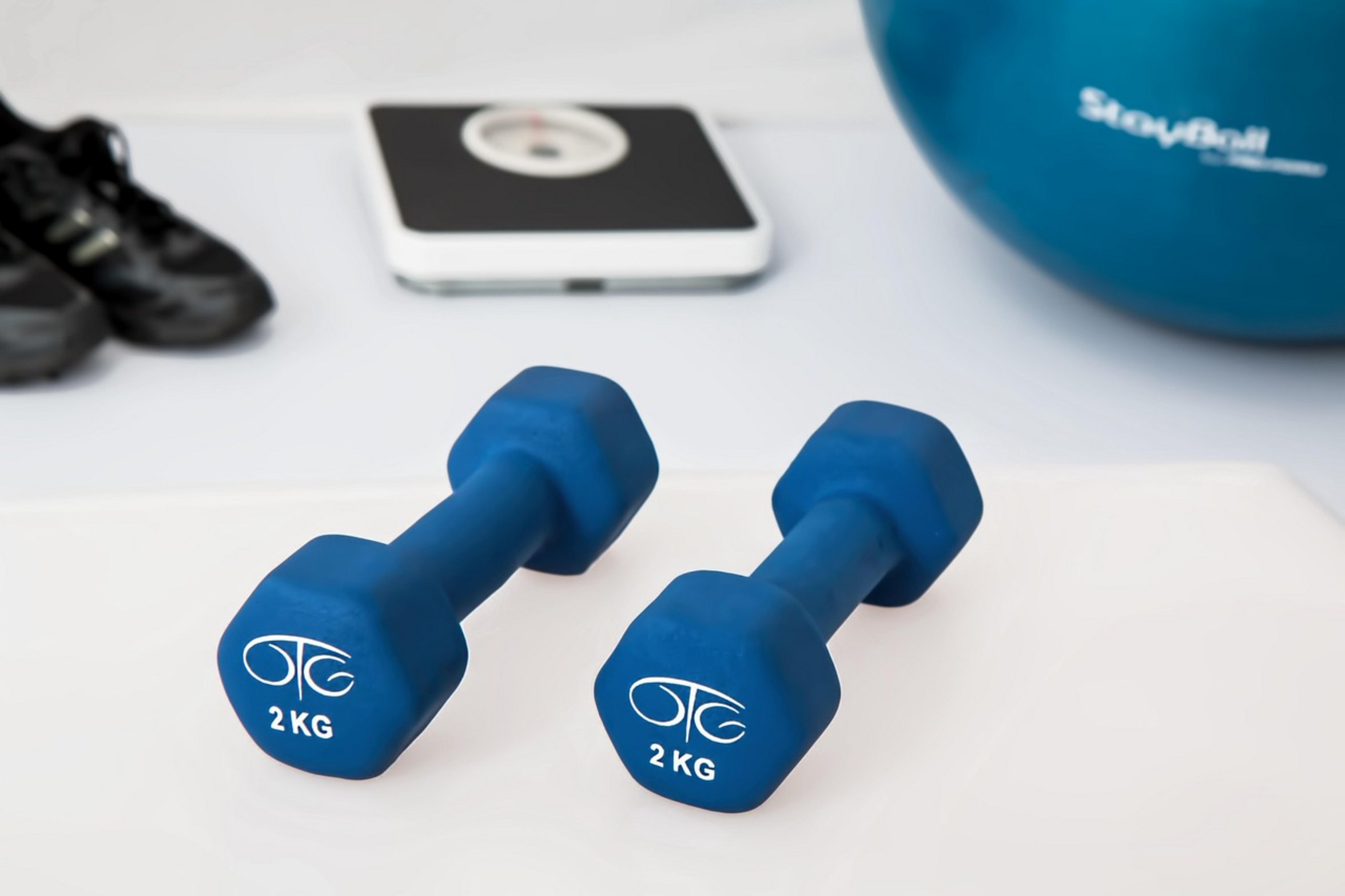
No need for a fancy gym membership. Just some control and intention. Use lighter weights to start.
Concentrate on form. Create the neural connection first before adding the load. It’ll create some much needed balance between your knees and your lower back.
You won’t forget about the back of your leg anymorer.
