
Bodybuilding culture’s iconic exercise is the bicep curl, when you want some arm size, this is the move you reach for. It’s everywhere: workout videos, mirrors, casual conversation around the gym. But while it may seem simple, it’s arguably the most poorly performed exercise on the rep rack.
For most folks, it’s a momentum game instead of a muscle tension task. Swing weights up, cheat descent, and after years of effort they wonder why their arms remains so soft. But there’s often a problem understanding the function of biceps.
Not only are they flexors, but also stabilizers. To develop them require careful control. To obtain maximum definition and density, it requires eliminating momentum and ego from your workout.
It means varying the angle at which you’re training, and eliminating some mechanical leaks that cost you valuable energy. Sure, regular dumbbell curls work the bicep at one angle, one particular range-of-motion. If your arms is at your side, you’re stretching the long biceps head; if your elbows are up (or even tucked), then it’s more about the short head.
Master Dumbbell Curl Variations and Fix Mistakes
Why Standard Curls Fall Short
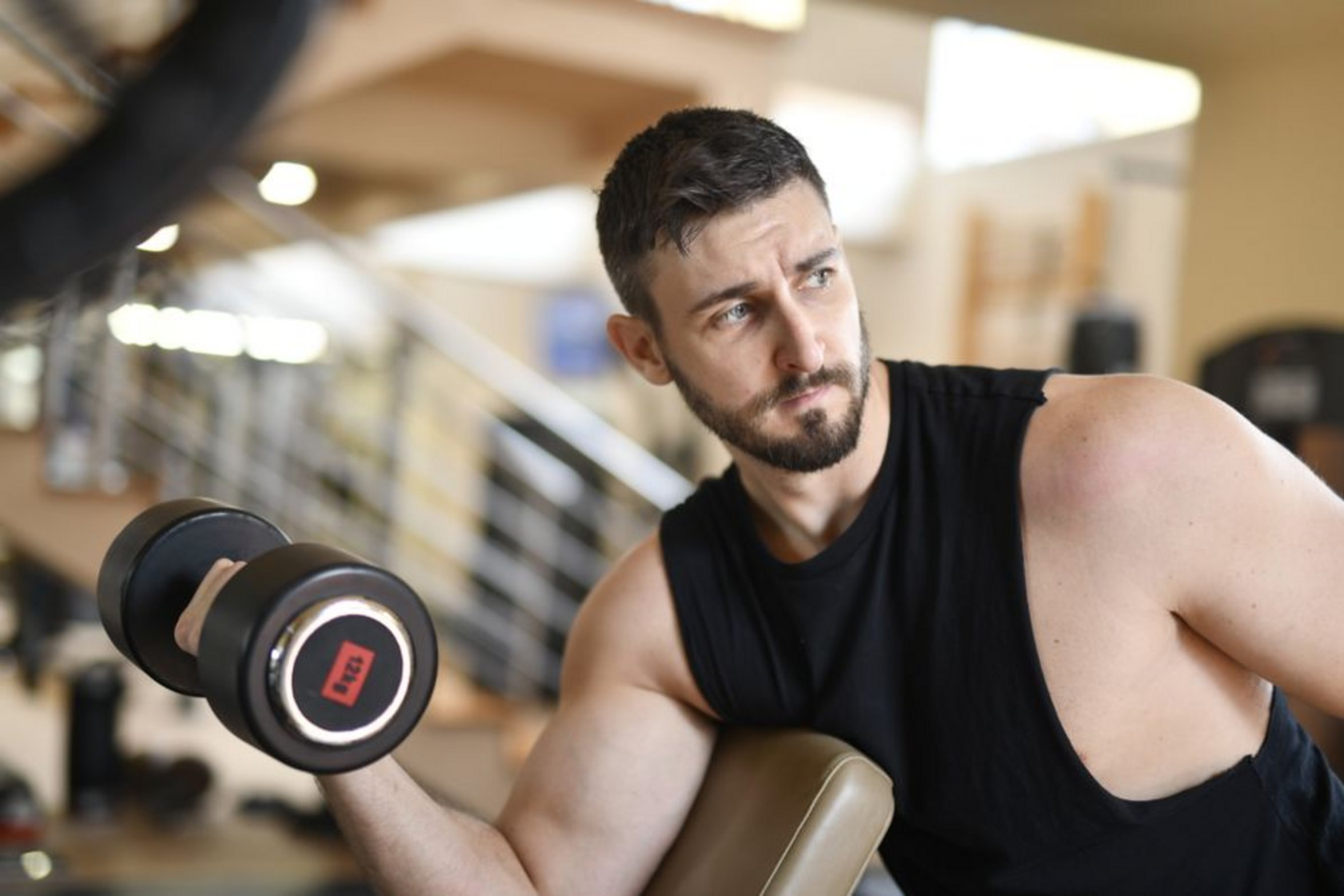
To build a full arm, you have to shift that area of peak tension. One simple variation is the hammer curl. Maintaining a neutral grip with your palms facing each other engages not just the biceps, but the brachialis beneath and the brachioradialis in forearm as well.
Hammer Curls for Arm Width
When it contract, that lower muscle will push the bicep higher to achieve that peaked effect. It also protects your wrists from the twisting force of having your hands turned like they are during regular curls. Another wrinkle is supinated curls.
Supinated Curls for Peak Tension
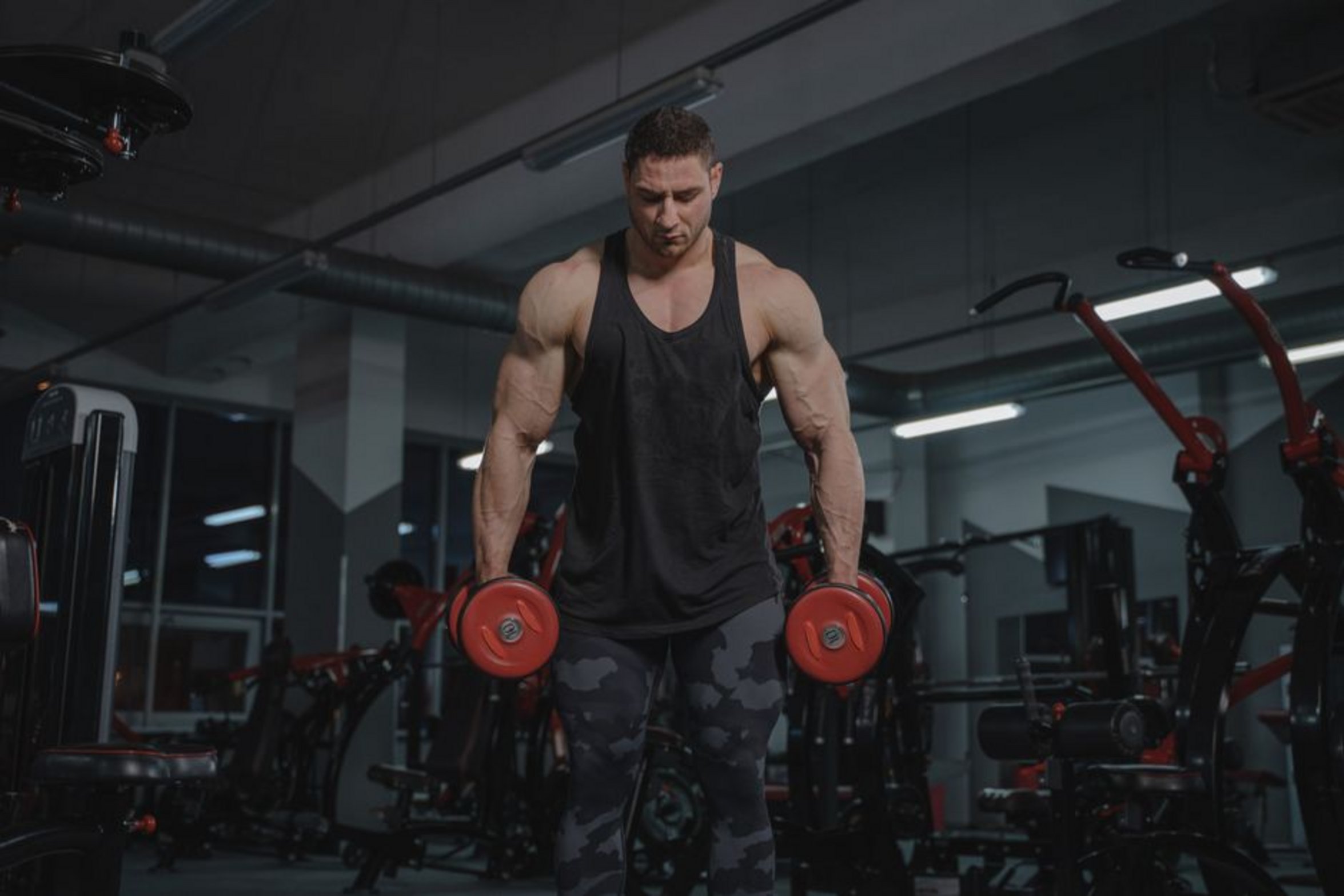
Here, you begin from a neutral grip position (palms facing each other) and use a continuous supination of the wrist as you curl upward. That means a continual stretch on the long head of biceps, which must work harder all along the arc. Your rotator cuff also has to stabilize this rotational movement, so it feels strange initially.
But if there’s any pain, know that it’s your muscles that are working, not your joints. Chances are, you’ll have to back off the weight by twenty percent or more, but quality of contraction compensates for lack of mass. The stretch principle reaches its logical extreme with incline dumbbell curls.
Incline Curls for Maximum Stretch
Your arms start out behind your torso, sitting on a bench at a forty-five degree angle. This puts long head of your biceps in its most stretched position even before you start the lift. According to muscle research, training in a lengthened position results in more muscle growth over time.
There’s only one problem: It’s hard to load up big weight here. Don’t mistake the power of the stretch reflex for an excuse to swing. Control the negative phase, or you’re simply doing cardio for your shoulders.
Preacher Curls for Isolation
To isolate a muscle, you must stop using the rest of your body. With your elbows locked into position with your upper arm supported on a preacher pad, the only thing left to do is flex your bicep. No shoulder shrug.
No hip drive. Preacher curls only target the top of your bicep, which exposes all the weakness in your mid-range. The disadvantage?
If you go heavy enough, it will stress the elbow tendons. It is not exactly a strength builder. It is more like a finisher’s movement.
It is a burn-out move, not an iron mover. With all the variations listed above, most frequent error is the arch. This causes your hips to swing and leans you backward, making you rely on momentum instead of your biceps.
Common Form Errors to Avoid
The muscle remain passive while weight goes along for the ride. Keep your hips planted and your torso stiff. A second mistake is the speed with which you lower the weight.
Lowering too fast negates tension. Slow down. Allow the muscle to guide descent.
You grow by fighting gravity, not giving into it. Lifting the heaviest dumbbell in the rack isn’t building arms. It’s learning how to control tension.
It is about how to choose the right tool for the task. Add some of this variety to your routine. Honor the mechanics.
Your biceps will respond to the stress you place on them; the weight you disregard won’t.
