
Looking at it this way, deciding whether to buy a cross trainer or rowing machine is more about function than form. A cross trainer stand up tall and delivers a vertical stride, while a rowing machine sit low to the ground and give you a full-body workout. Both claim to burn calories efficienty; the cross trainer are designed to reduce joint impact via a vertical stride while rowing offer a different way to avoid the impact of running.
But they reach those outcomes through differnt moves. Get the wrong machine, and you’ll be left wasting money on something that gather dust. It comes down to body type.
How does your body react to a workout? What type of conditioning do you want? One machine are going to develop posterior chain while emphasizing pulling power.
The other is all about lower body endurance with some focus on balance. Knowing that will align the machine with your body.
Choosing Between Cross Trainers and Rowing Machines
How Rowing Machines Work
It has a fixed handle and a sliding seat. A rowing machine involve pulling with your arms and pushing with your legs. This matches what happen in the sport of rowing. It’s all about hinging at your hips.
And it’s all about using your arms to pull on the handle. The resistance source is typicaly one of three things: magnets, air, and water. Air rowers offer more resistance then the harder you pull.
This make it a sort of self-regulating exercise. How hard you work out depend on how much power you generate. That are physically accurate.
It build both cardiovascular endurance and explosive power. Plus, it engage your core, glutes, and back muscle. Many people note increased lower back strength after regular use Elliptical machines (aka cross trainers) is another animal.
How Cross Trainers Work
As you move your arms, they pulls and push a set of handles and your feet remain on a set of pedals. It’s not a linear movement but more of a circular one. To put it simply, it’s designed by brands to mimic running without any impact.
You never take your feet off the pedals. This greatly reduce the strain on your hips and knees. In fact, physical therapists frequently prescribe cross-trainers during rehabilitation.
Because there is no impact, this decrease the bone-density stimulating effect that come from weight bearing exercises. Additionally, you’ll find some machines has moving handles and others have fixed ones. When handles move, your upper body will also being engaged in the workout.
If handles are fixed, then you’ll have to concentrate on your legs. Depending on what you choose, your workout will be spread out based off accordingly. Machines with moving handles feel like a full-body cardio workout.
Ones with fixed handles serves more as tools to exercise your legs. For homeowners, it’s typicaly space and sound that determine the outcome.
Space and Noise Considerations
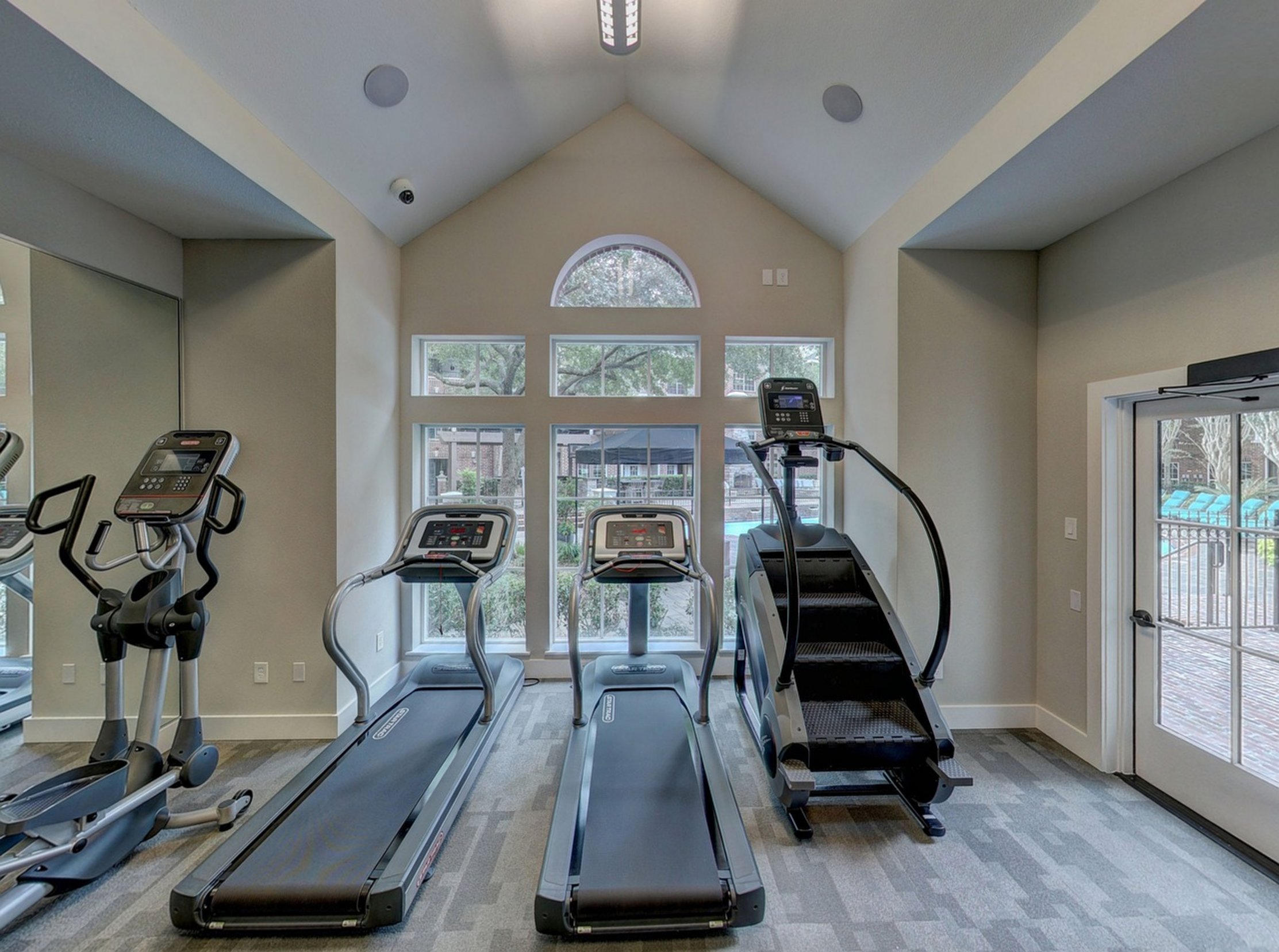
Cross trainers tend to be taller and frequently wider. Rowers is usually lower but longer. Rowers can be tucked up next to a wall or under a desk fairly easily, but cross trainers needs clearance around their moving parts.
In terms of sound, water or magnetic rowers is quiet. The air rower make a whooshing sound that may bother you in confined areas. Same goes with cross trainers.
Some are rattly-clanky cheap-o machines. Higher-end units has nice flywheel dampening and are much smoother. If you’re mindful of your neighbors, test out the decibel rating of the model you’re considering.
Maintenance and Durability
Some machine like the water rowers will also require their seals checked from time to time. Chains on some rowing machines should of oiled occasionally. Pulleys and belts on cross trainers may stretches and wear over time.
The simpler a mechanism, the longer it lasts. Concept 2 is known for its low maintenance and durability. They gets tossed around in gyms and many gym owner love them.
Because they are simple, they last a long time. Cross trainers has more things moving. There are more potential place where something wear down.
Doesn’t mean they are bad, just means you have to take care of them a bit more over time. Buy what gets you to your goal.
Choosing the Right Machine
If building rowing-specific power is the goal, then buy the rower. If avoiding bad knees is the goal (or you’re looking for something safer than running), then buy the cross trainer.
No one’s necessarily better. Just different tools for different jobs. Pick the one that suits your room and pick the one that suits your body.
Then go use it.
