
💧 Creatine Water Intake Calculator
Calculate your personalized daily water target while taking creatine based on your body weight, dose, and activity level.
| Phase | Daily Dose | Extra Water (oz) | Extra Water (ml) | Duration |
|---|---|---|---|---|
| Loading Phase | 20g/day (4x5g) | +160 oz | +4,730 ml | 5–7 days |
| Transition Phase | 10g/day | +80 oz | +2,365 ml | 3–7 days |
| Maintenance Phase | 3–5g/day | +24–40 oz | +710–1,183 ml | Ongoing |
| Off Cycle | 0g/day | +0 oz | +0 ml | Varies |
| Activity Level | Multiplier (oz/lb) | Multiplier (ml/kg) | Example (170 lbs) | Notes |
|---|---|---|---|---|
| Sedentary | 0.50 | 33 | 85 oz | Desk job, no exercise |
| Lightly Active | 0.55 | 36 | 94 oz | 1–3 workouts/week |
| Moderately Active | 0.60 | 40 | 102 oz | 3–5 workouts/week |
| Very Active | 0.67 | 44 | 114 oz | Daily intense training |
| Athlete / 2x Daily | 0.75 | 50 | 128 oz | Elite sport / 2–a–day sessions |
| Urine Color | Hydration Status | Action Needed |
|---|---|---|
| Clear / Pale Yellow | Well Hydrated ✅ | Maintain current intake |
| Light Yellow | Adequately Hydrated | On track — keep going |
| Medium Yellow | Mildly Dehydrated | Drink 8–16 oz more per hour |
| Dark Yellow / Amber | Dehydrated ⚠️ | Increase water significantly |
| Orange / Brown | Severely Dehydrated 🚨 | Seek medical advice immediately |
Staying properly hydrated is one of the most importance aspects of supplementing with creatine that people often overlook. Because creatine will draw water into your muscle cells, it is essential to drink extra water when supplementing with creatine for effective and safe result. People who take creatine often wonder how much water they should drink while supplementing with creatine. A creatine water intake calculator can help them determine this for themselvess.
Supplementing with creatine monohydrate has remained one of the most research and effective sports supplements available. Creatine help people build muscle strength, output power, and even muscle mass. However, creatine also draws fluid from the bloodstream into the muscle. This could leave people dehydrated, resulting in muscle cramps, poor performance with creatine supplementation, and placing unnecessary stress on kidney. It is essential to understand how creatine relates to water to get the best result from creatine supplementation.
Why Hydration Matters When Using Creatine
When supplementing with creatine, the science have proven that creatine will draw water into the muscles. This is one of the reasons behind creatine’s muscle-building benefits. As the muscles gain water, they appear to have more muscle mass. However, this also means that there is less fluid in the bloodstream. People who supplement with creatine often experience muscle cramps and dehydration when first starting creatine supplementation.
The general recommendation is for individuals to drink half of their body weight in ounce of water each day. For someone who weighs 170 pounds, they should drink 85 ounce of water daily. The additional amount of water individuals should drink when taking creatine is eight ounces of water for every gram of creatine supplemented. This becomes more essential for individuals who take creatine during the loading phase when they take 20 gram of creatine daily.

The activity that an individual performs daily will play a significant role in the amount of water they need to supplement with. For instance, an individual who sits at their desk will require less water than an individual who engage in endurance sports or weight training twice a day. Training in hot climates or at high altitude will require more water intake than someone who trains in a more temperate climate. Women require less water than men of the same weight. Those who follow low-carb or keto diets require more electrolytes and fluid to supplement with their creatine.
For the loading phase of creatine supplementation, which lasts for five to seven days and includes 20 grams of creatine daily, individuals need to drink extra water. However, many people choose to skip the loading phase and take between three and five gram daily to achieve the same results over a three to four week period. Regardless of how individuals take creatine, drinking enough water daily is essential.
One way to calculate the amount of water an individual should drink while supplementing with creatine is through the creatine water intake calculator embedded in this article. By entering their body weight, the amount of creatine they take daily, their activity level, and the environment in which they train, individuals can determine the amount of water they should drink daily. Most individuals will discover that their water intake has been more significantly lower than what there body requires while supplementing with creatine.
There are other benefits to adequately hydrating while supplementing with creatine. For starters, it ensures that your kidneys functions optimally. It ensures that your muscles receive the nutrients they require and enhance the effectiveness of creatine supplementation. For those looking to build muscles, proper hydration will assist in maintaining their strength and endurance in the gym.
Monitoring the amount of fluids an individual drinks can be as easy as looking at the color of their urine. If an individual’s urine is pale yellow or nearly clear, they are properly hydrated. If the color is a dark yellow or amber, they are dehydrating and need to consume more water. Their physical condition during workouts can also provide insight into their hydration levels. If an individual feels unusually fatigued, develops headache, or suffer from muscle tightness while performing their workouts, they might be dehydrated.
For those supplementing with creatine, drinking water with each dose of creatine supplement. An additional 16 to 20 ounces of water should be consumed approximately thirty minutes before training to help initiate the creatine’s benefits. Staying hydrated during training is also important, and another 16 to 24 ounces of water should be consumed after training to help rehydrate and initiate the recovery phase for the muscles after exercise. Consuming fluids throughout the day will ensure that the individual dont have to visit the restroom too often.
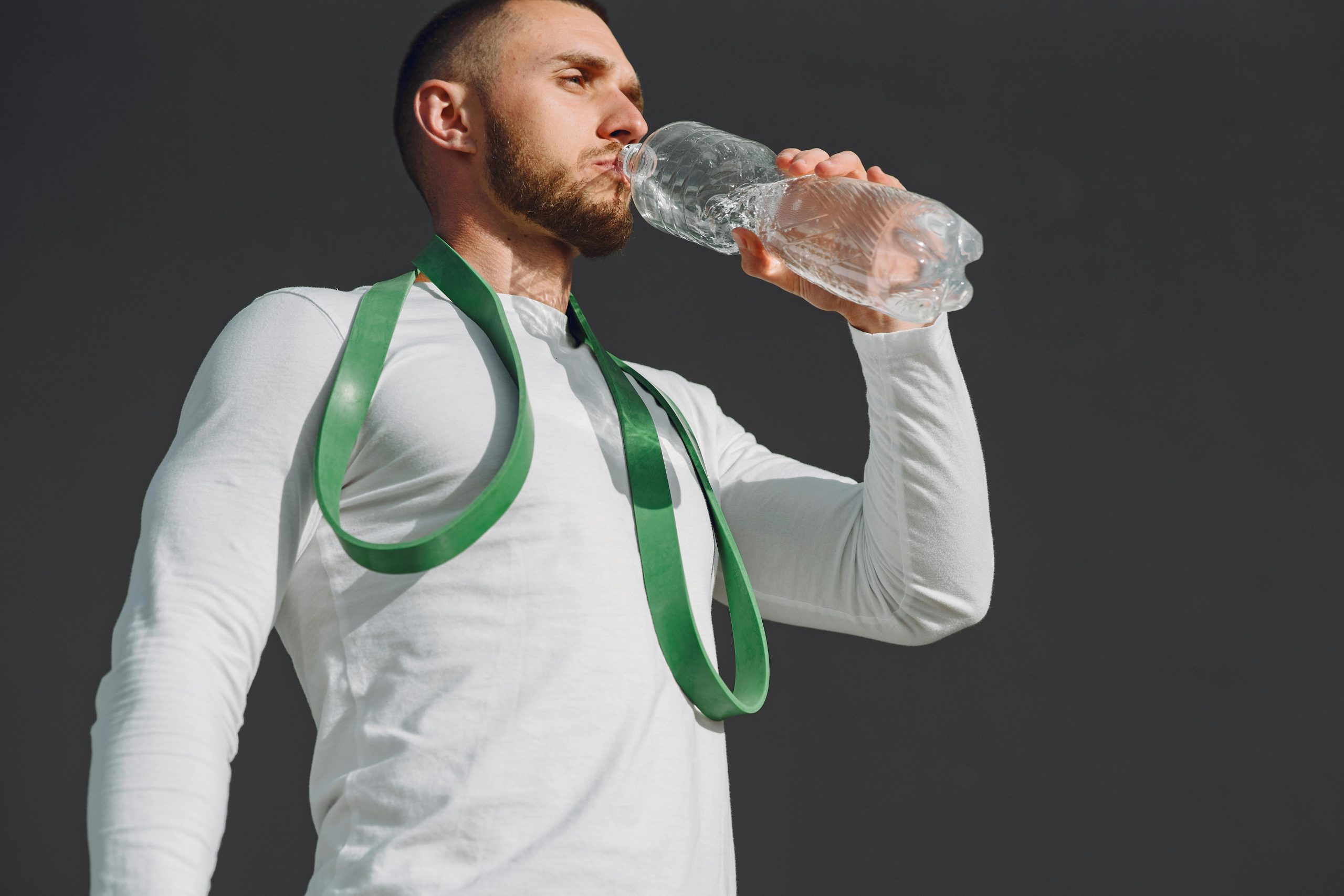
Although individuals should drink more water when supplementing with creatine, they should also be mindful of the electrolytes in their body. Because creatine increases the fluids that an individual consumes, it is important to ensure that there is an adequate amount of electrolytes to supplement with the fluids. This is important to prevent any imbalance in the fluids in the body. This is especially important for individuals who train in extreme heat or follow diet like the keto diet.
The amount of water individuals should supplement with creatine will vary from person to person. What might work perfectly for a 200-pound powerlifter might be too much for a 130-pound recreational lifter. Other health considerations will play a significant role in the amount of water individuals need to optimally supplement with creatine. However, consistent hydration and supplementation with creatine will yield the best result. As a result, individuals can gain more strength, recover from workouts faster, and experience few side effects from creatine supplementation.
Supplementing with creatine should be part of an individual’s complete approach to improving their strength and muscle mass. Along with creatine supplementation, individuals should be performing exercises to build muscle and drinking enough protein to support the muscle building. Most individuals will see a noticeable improvement in their strength within a few week of supplementing with creatine.
The relationship between creatine and water does not have to be complicated. By understanding the basics of creatine and the benefits of water, individuals can use the creatine water intake calculator embedded in this article to determine the amount of water they should consume daily to support their creatine supplementation. With these benefits of properly supplementing their creatine with water, individuals will be able to enjoy all the performance benefits that the supplement has to offer while also protecting their health.
