
You have a vision: your own home gym. After watching YouTube videos of ideal form and gleaming machines, you start. You purchase some weight, you transport them home, but it’s not the same.
Carpet rips, or concrete crack when you drop a kettlebell or do a burpee. The thumping noise from your workout make your neighbors complain. The floor get its own exercise.
Guide to Selecting Durable Home Gym Flooring
Why Flooring Matters in Your Home Gym
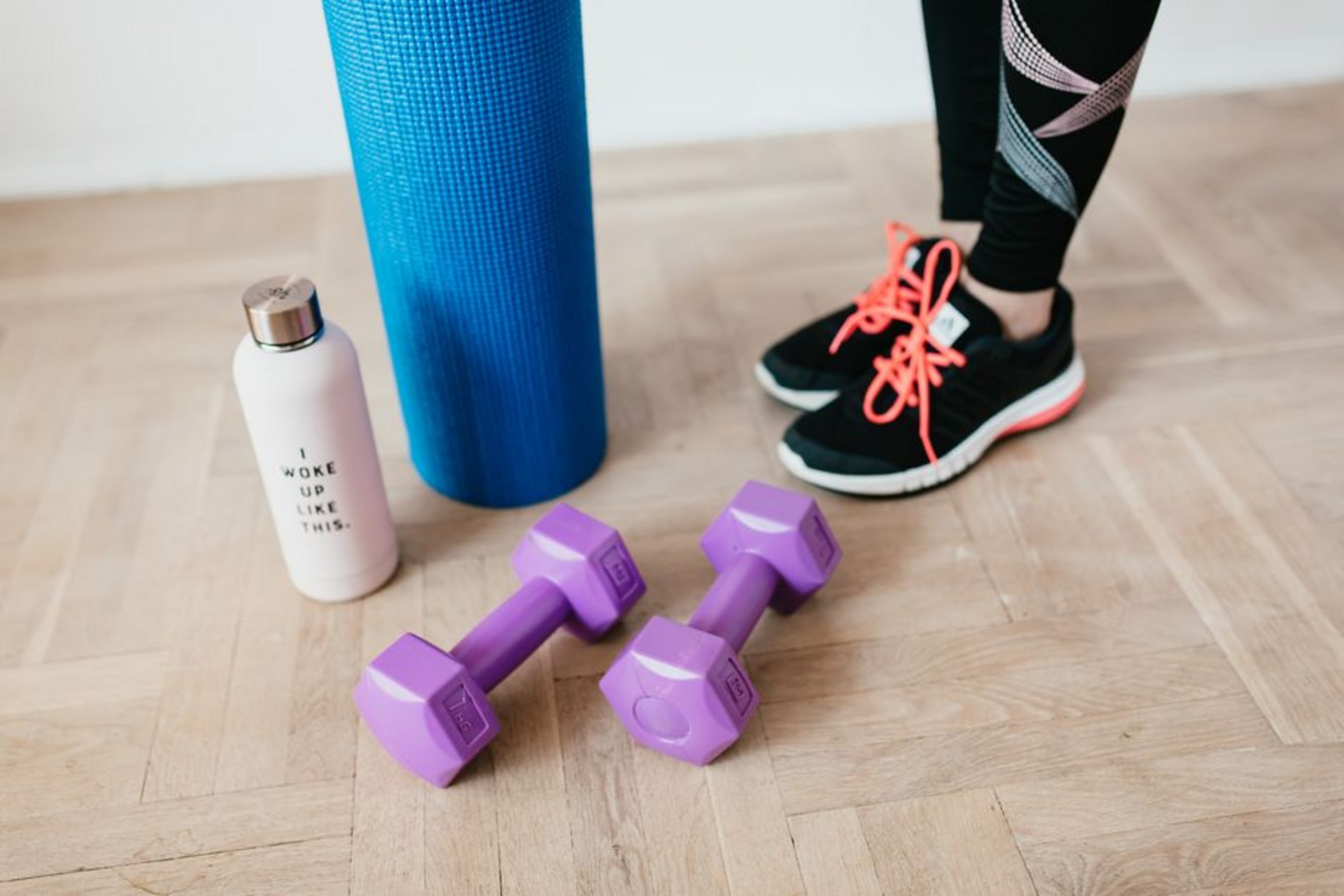
People look at all the gear (the treadmill), the weights, etc. They don’t see the base. Wrong move. The floor is what protects your joints (and your equipment).
The floor are what lets you use the rest of your home. Squeaking floors = wasted money in repairs. Getting it right transform a cluttered corner into a dedicated performance space.
Choosing the Right Density and Thickness
Right move = an area of their own Density is how much weight will be going onto the floor. Will it withstand thing being dropped on it from shoulder height? Are you lifting heavy?
In that case, you want something with enough give to absorb the force while still maintaining its strength. That’s where rubber comes into play. Rogue Fitness sell thick rubber tiles.
It feels solid when you walk on it and it lasts. This isn’t stuff that tear up easy. The material is dense.
Shock get absorbed instead of passed to the subfloor. For a casual set-up, you don’t necessarily has to spend big bucks on commercial mats. But you should of have enough thickness to prevent shock from reaching your subfloor.
But how thick should it be? The thickness you need realy depends on your activity and what kind of equipment you’re using. A quarter-inch tile work for light free weights and cardio machines, providing cushioning without feeling unstable.
Add a half-inch or more when you start dropping plates or using heavy Olympic bars. The additional thickness will act as a bit of a shock absorber: protecting both your back and the structure of your home. Also, vibration travel up your legs and into your knees more with thinner material.
That means if you go to thin, it’ll feel like you’re working out on bare wood because the vibration travels up your legs and into your knees. Some of these factors depends on material makeup. For durability, solid rubber last longest, although it’s also the most luxurius option.
Comparing Rubber Types and Materials
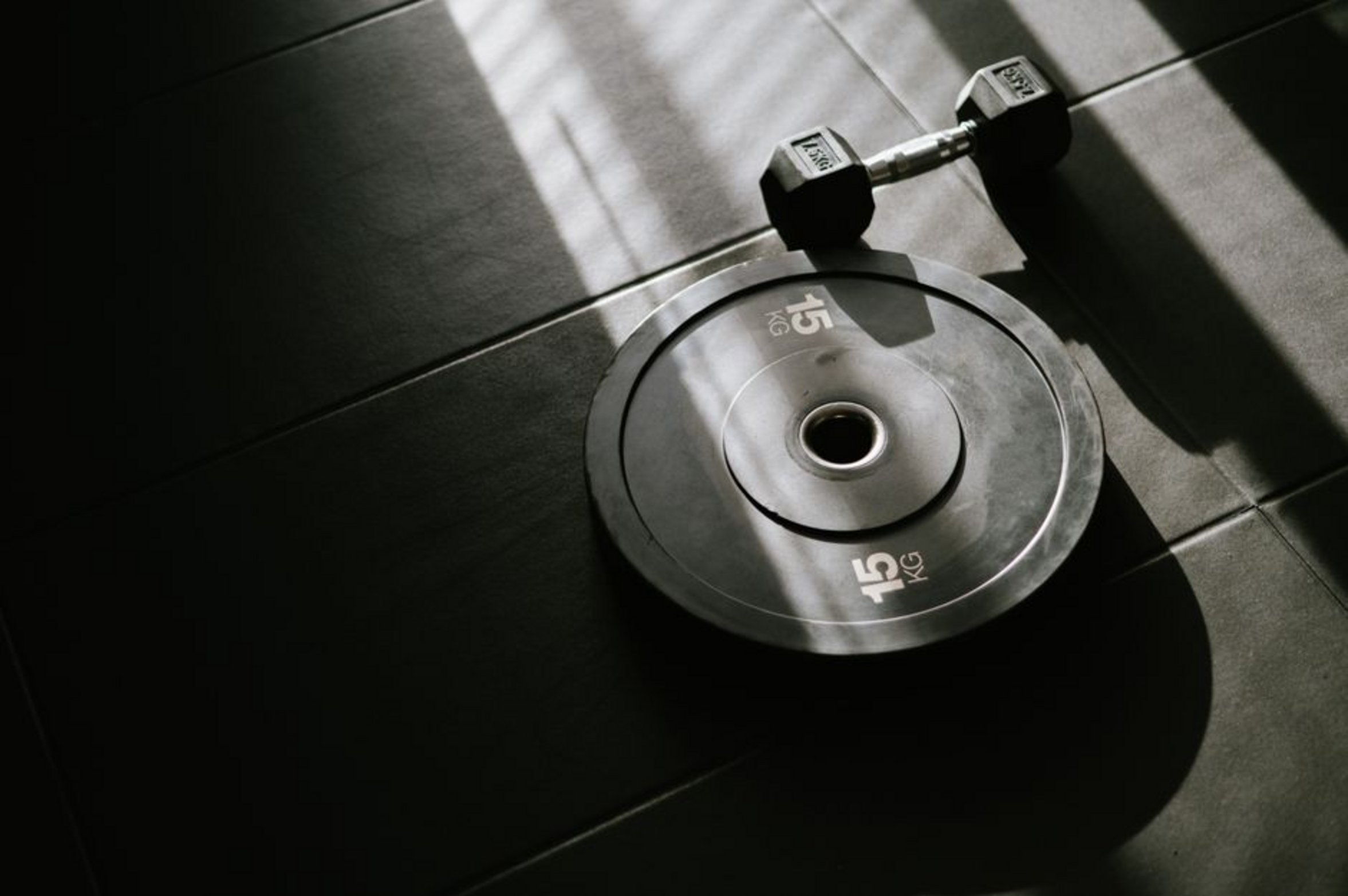
If you can’t afford that, go recycled rubber. It is actualy just as durable and much cheaper. Trade-off: A little stinky due to the material, but it’ll fade within a couple weeks if you have some ventilation.
Within a couple weeks, though, it’ll go away if you have some ventilation. Stay away from thin EVA foam. Also stay away from any cheap vinyl stuff.
Tear city! Over time, they compacts. Then you’ve got an uneven surface that bounce around like crazy.
It looks great at first, but it doesn’t hold up to normal use. One benefit is convenience. The tiles are convenient because they are easy to snap together and pull out.
Interlocking Tiles: Pros and Cons
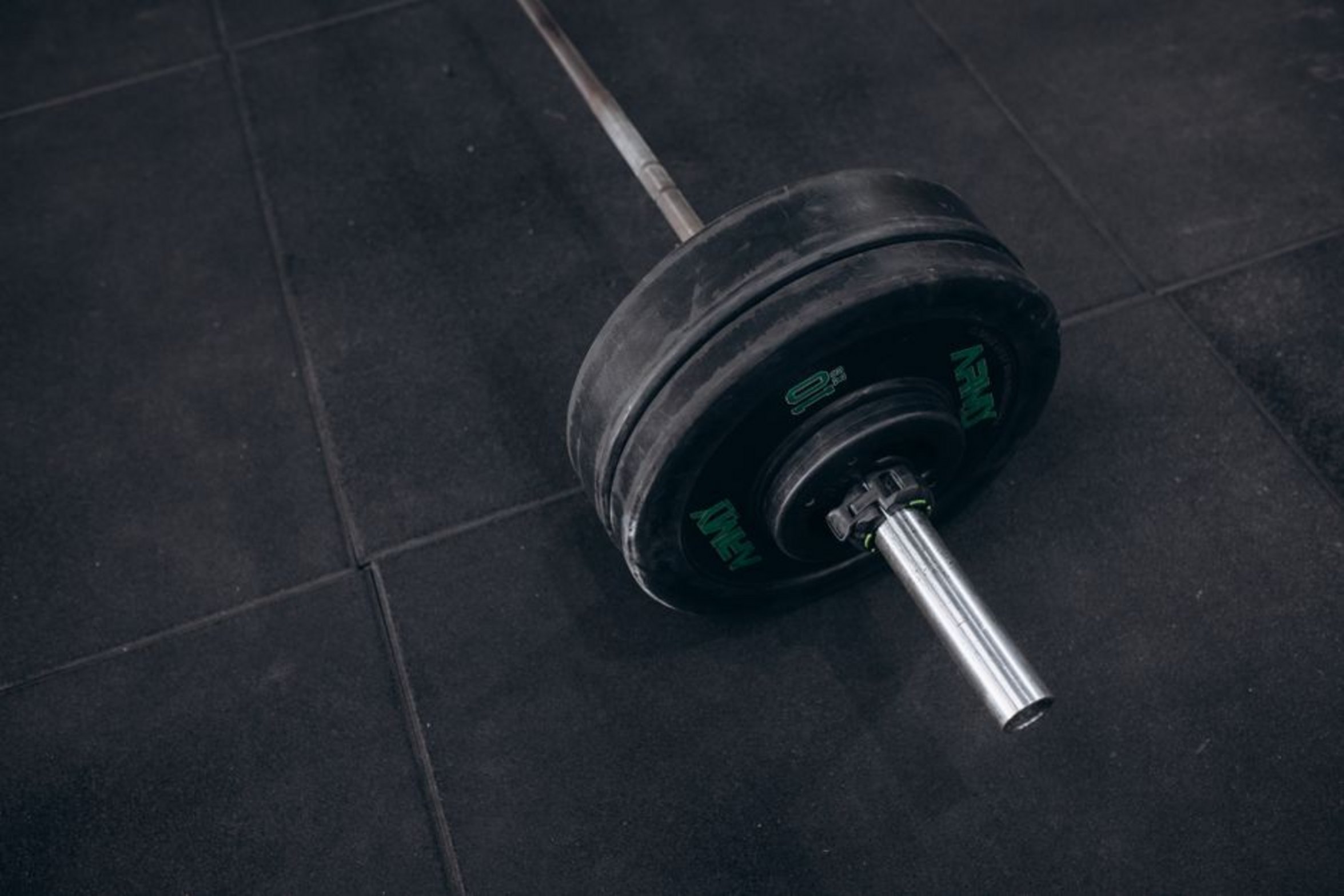
Want a different layout? Pull them up and go. Need access to plumbing?
Pull them up. It’s an advantage for renters. Want to move?
Move the tiles! A con is the seams. Dirt accumulate under there.
To keep the surface clean, you need to sweep regularly. Some tile brands snap together so well that they feel solid. For example, ProSource Designs.
Other brands have lines that shows and can trap the sole of your shoes. Depending on how careful you are about cleaning, select accordingly. Rollouts provide a seamless look Rollouts eliminate the tripping hazard of seams.
Rollout Mats: Installation and Maintenance
For any workout involving fluid movements… Such as circuit training, HIIT, and yoga, this is perfect. When you buy a roll of gym matting from something like Garage Gym Reviews, they is quick to cover big spaces.
It looks professional. But here’s the catch: how do you install it? To fit it into your room you’ll need to cut the edges perfectly.
Otherwise, any mismatched edge will curl up, creating another tripping hazard. Once you lay the roll down, you can’t really move it around either. It becomes a permanent fixture.
Cleaning and Protecting Your Gym Floor
And then there’s maintenance. All that sweat will do it damage eventually. So clean up when you’re done.
Yes, even with rubber. Use a mild soap and water solution. Stay away from harsh chemical cleaners; they’ll eat through your material.
Do you have kids and/or pets? You may wish to choose something more forgiving of scratches. Darker colors hides imperfections more easy.
Lighter ones look cleaner but will expose all the scuff. Choose what best suits your life. How a floor makes all the difference when training.
You don’t have to worry about messing up your house. You can push harder than worrying about the noise. Spend money on that floor.
Wait on the rest of it.
