
So which exercise bike is right for you? You want something that works with your budget, workout style and available space. There are lots on offer in marketplace but just take one that fits your lifestyle and day-to-day routine.
Get one that’s right for you or it’ll gather dust. Get one that’s right for you and it’ll be a fixture in your fitness routine. To begin with, know that belt drive and direct drive system are different.
Key Factors for Choosing an Exercise Bike
Choose Your Drive System
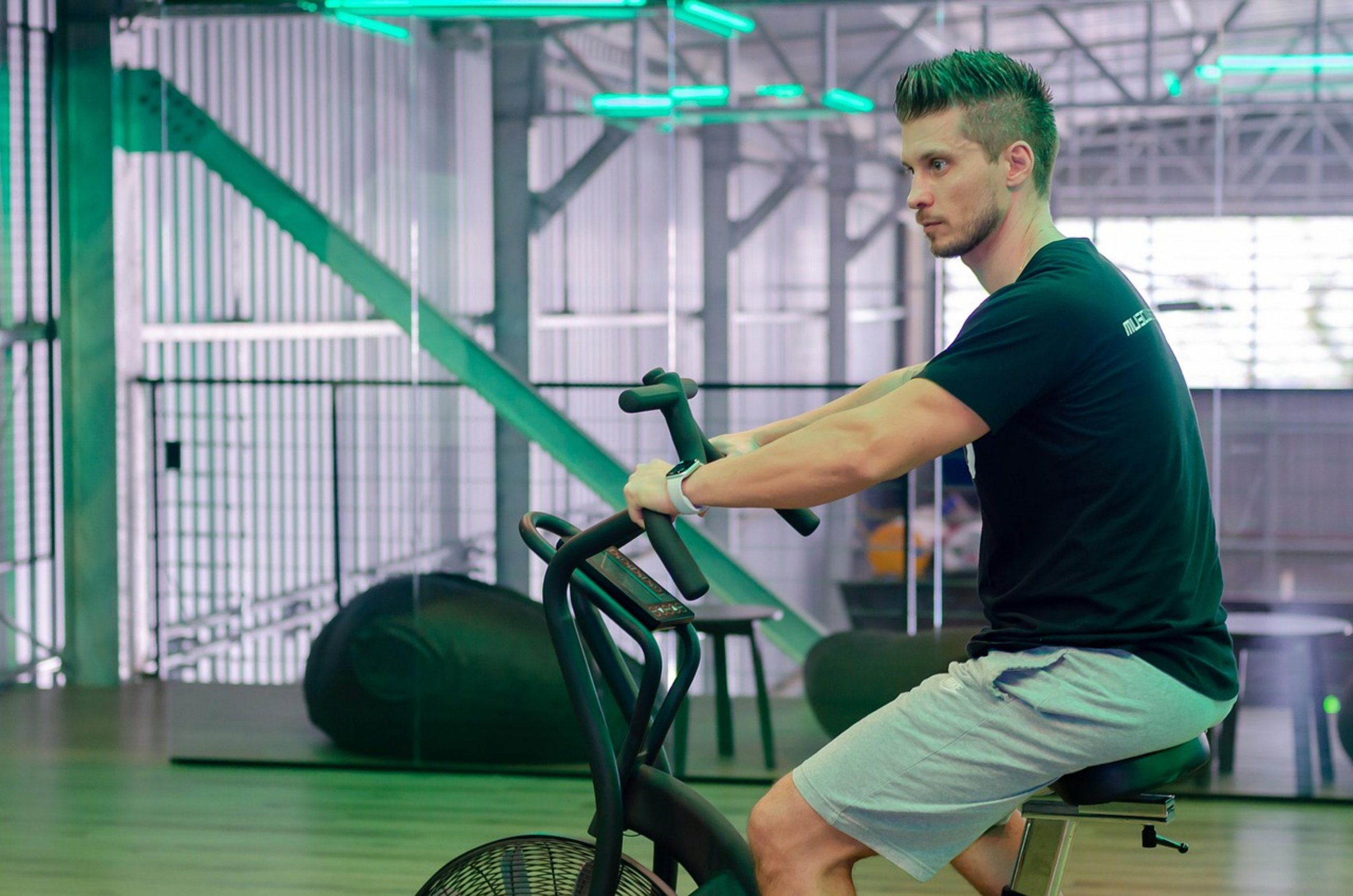
Not only does this impact the noise level but also the feel of ride itself. Built for high-intensity spinning, direct drive bikes connects your pedals directly to the flywheel. On the other hand, belt drives uses a rubber belt to connect your pedals to the flywheel, creating a quieter and smoother ride.
Compare Resistance Types
If there are any family member or neighbors around, you’ll want a quiet bike. Secondly, consider the resistance mechanism. The most common one is magnetic resistance, which employ magnets to generate drag.
This has several advantages: it’s quiet; it’s adjustable (with a dial); it lasts longer then friction resistance. Friction resistance involve a pad pressing into the wheel. While magnetic resistance are more durable (and therefore long-lasting), friction resistance tend to be noisy.
Prioritize Frame Stability
Consider how stable frame is too, you want to feel secure when pushing hard on a bike so be sure it isn’t flimsy. The frame should of weigh more than twice as much as you do. Sturdier = more vibration absorption.
While a lighter bike can be easier to transport, you don’t want to compromise your safety for a lighter load; you need something sturdy to stand on.
Decide on Connectivity Features
Next are the connectivity features. The smart bike are equipped with a screen and subscription service with guided classes.
Great for those who want the structure, but subscriptions aren’t free. For the do-it-yourselfers who likes freedom and flexibility, and don’t mind trading some convenience… Traditional bikes can be purchased at a lower price and paired with a free app.
Check Fit and Adjustability
Next, look at how well it fits you by checking handlebar and seat adjustments. Your body has a unique set of requirement. The more adjustable features it have on the handlebars and seat, the better.
Failing that, it won’t fit you properly and you’ll find yourself sore in your back and knees. Look also at its range of motion, enough so that your legs can nearly straighten out.
Plan for Storage and Space
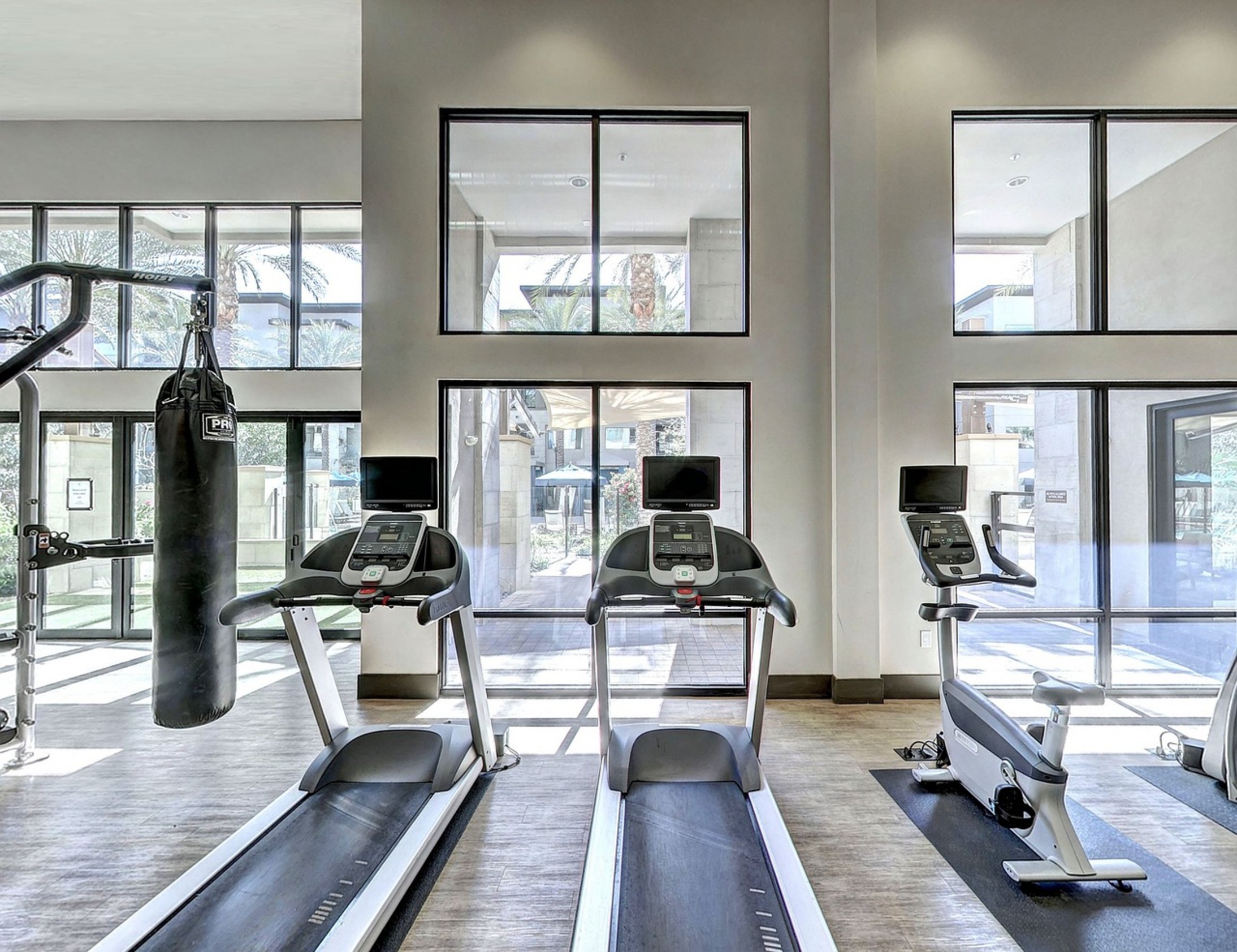
Think about long term usage, such as storage and footprint.
Some bike fold to be stored away, some are just a pain because they’re heavy and bulky. Consider how you’ll get the bike around and where it will live. Do that math before you buy, because a heavy bike won’t make you ride it as often.
In the end though, it’s about getting a bike that suit your lifestyle. It should be one that doesn’t cost too much and isn’t difficult to adjust, move, or pay for. Reflect on what you do and determine whether you desire something simple or a bike with a screen.
Don’t get the most expensive bike, get the best bike. Get the one you’ll ride while busy or tired.
