
The key to building a thick back isn’t as much about lifting heavy; it’s contracting in the right geometry. Most people go straight for “the width,” but size through thickness is what give a physique its structural depth, which helps it appear 3D. It’s what separates a carved-looking physique from one that look flat. This task falls to two main tool: the machine row and the cable row.
Both draw weight towards you, but each require something different of your body. This explains why some people prefers one over the other. It also explains how and where each tool creates tension.
Most importantly, it explain which muscle fibers it uses. Typically, it’s a matter of range-of-motion vs. Stability. On one end of the spectrum, you’re locked into position and able to concentrate solely on pulling motion.
On the other end, there’s slight body movement possible; either an asset or a liability. There’s no right answer; they’re just two different tool designed to achieve the same result. To develop a back that appears large regardless of its angle, you must get familiar with the mechanics of each.
How To Build Back Thickness With Rows
The Importance of Back Thickness
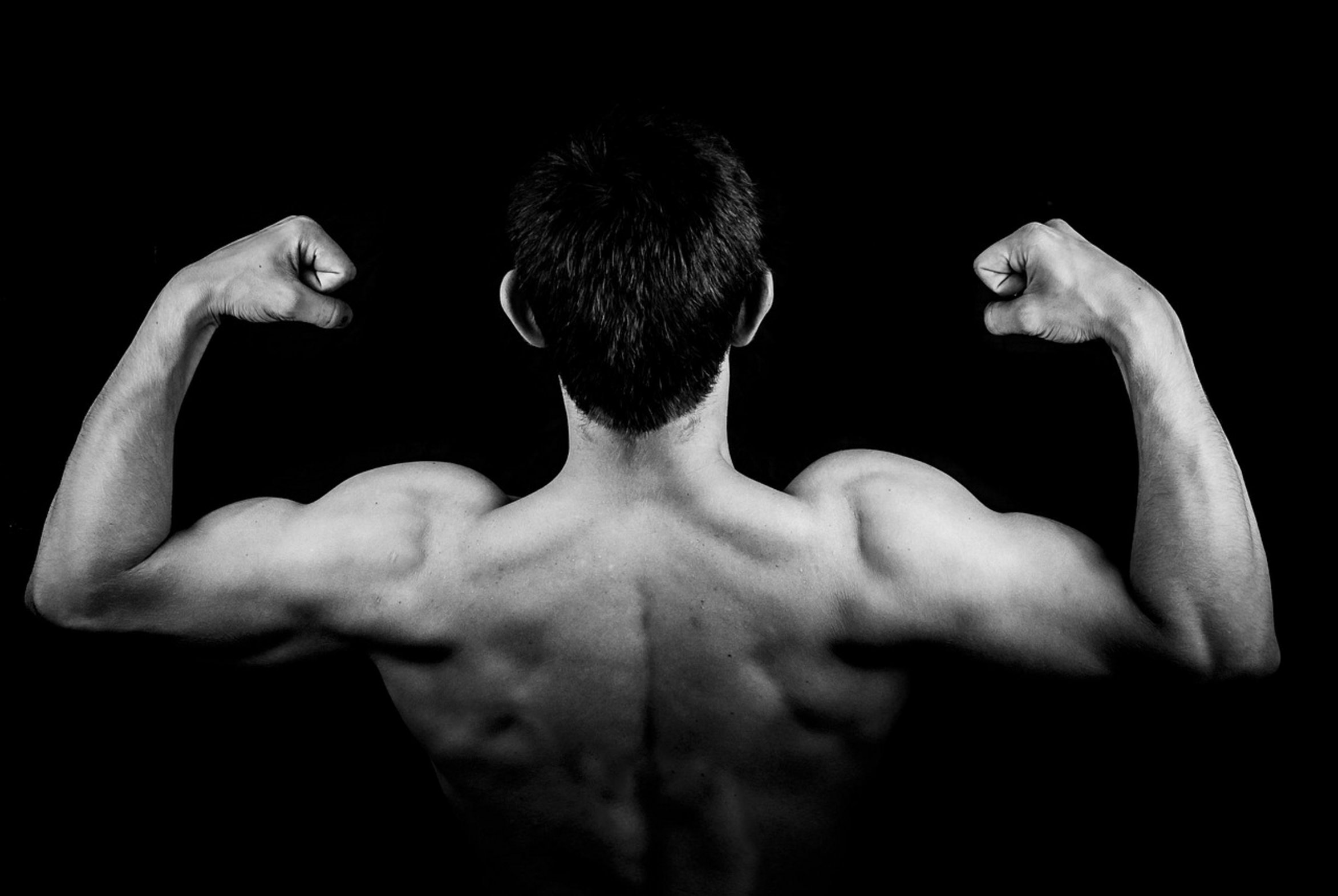
How do you target the rhomboids and mid-traps? How do you overload lats while avoiding peak contraction? The cable row is also different because of it’s ability to manage tension.
Cable Row Tension and Mechanics
With free weights, resistance curve is determined by gravity. Unlike free weights where gravity dictates the curve of resistance, the cable provides consistent tension throughout entire range of motion. With the cable, however, there’s constant tension on muscle throughout the full range of motion.
That means that the muscle stay loaded all the way down to the end of movement, when it’s jammed up tight against your body. That’s where thickness comes from. To make mid-back muscles thicker, they need to feel the sustained squeeze.
You’re fighting tension as soon as you begin the move and through to very end. No dead zone; weight doesn’t simply dangle there waiting for you to begin the eccentric phase again. But your core has to be stable for this cable row.
Common Cable Row Mistakes
Typically, you’re sitting down with feet on padded plates while your upper body is free to move. This lets you lean back slightly in the movement. This engages your lower back and hamstrings, allowing you to lift a bit more weight.
Cheating comes easy here. Rather than using your back to pull the weight back, you could let it swing back using momentum. To avoid that, simply keep your hips square and chest up.
Lean back too much and you’ll transform the exercise into something of a hybrid between a deadlift. That is not what you want. You want tension to be in your scapulae, not your spinal erectors.
Adjusting Cable Row Grips
With the seated cable row, you can switch up hand position as well. Want to work lats more? Use a wider bar.
Looking to hit your inner back with a V-handle? This is an enormous advantage when it comes to breaking through plateaus. By alternating between these two grips (or whichever ones suit your needs) week after week, you’re able to hit the back from a variety of different angles.
The muscle has no choice but to adapt to new stimulus. This is key if you want long-term growth. If you consistently perform same exercise with the same grip, your body will become efficient at that single movement.
Progress will come to a screeching halt. Variety keep the muscle fibers adapting. Then you have the machine row (i.e., Hammer Strength plate-loaded row) that offers unmatched stability on the opposite end.
Benefits of Machine Rows
Your arms are pinned in place and your chest is compressed against a pad. There’s no chance of swinging your body or relying on momentum. It requires you to totally isolate back muscles.
It is perfect when you are looking to load up. With your body stabilized, you can push with maximum effort without concern for lower back strain or losing your balance. The only thing it lets you do is concentrate on the traps and rhomboids tightening.
There is no place for force to go but in, so you can feel every inch of the motion. Machines are also limited by their pathway. Your arms travels in a pre-determined direction.
Some folks’ anatomy matches this perfectly. Others will find it awkward and painful. With the cable row, your arms can take the most natural route possible.
Machine vs Cable Row Comparison
Want your shoulders to ride down a bit to clear your head? Cable’s got ya covered. Can’t do that on the machine.
This can be a benefit for those who struggle with form, but it can be a hindrance for those with peculiar shoulder anatomy. Listen to your joints. If something doesn’t feel right, it probly has something to do with the fixed pathway.
Combining Both Exercises for Growth

In conclusion, why would you need to settle for either? Instead, alternate between the two. Use the machine row if you’d like to overload your muscles with a heavy load in a safe manner.
Use the cable row if you’d like to achieve maximum contraction and mind-muscle connection. They’re both necessary tools. They work well together.
One offers the steady tension required for details; the other offers the stability required for strength. When you incorporate both into your routine, you’ll develop your back completely, from deep traps to outer lats. The details are where it gets thick.
There is a heavy load on the machine row. There is a squeeze at the end of cable row. You must pull with intent and show up consistently.
You don’t have to pick a side. Simply know what each tool provides. When you conquer both, your back won’t just look bigger.
It’ll feel solid, dense, and capable. That’s what real progress looks like.
