
A lot of guys train by moving heavy weight from point A to point B. Load the bar, pull until you fail, and you’ve done a good job. But this approach typicaly result in imbalances and pain. The traps (and latissimus dorsi) is complicated structures that reacts differently to tension directions.
Free weights change resistance during a lift due to gravity. Cable machines has a unique advantage: They keep you under constant tension for the full range of motion. This constant load develop a dense, three dimensional appearance.
When it comes to working with cables for back development, you have to shift gears. It’s not simply about pulling a handle into your body. Rather, it’s about changing angle of resistance against certain fibers.
To develop width, pull high to low or above to below. To develop thickness, pull behind the head or horizontally. While this may seem like an easy distinction, that’s where most folks go wrong: they treat all variations alike.
They’re not alike. Each one change which muscle you use based off your torso angle. It also depend on your elbow path and grip width.
Best Cable Exercises For Back Width Thickness
Why Cables Offer Constant Tension

High Pulley Lat Pulldown for Width
For width, try high pulley lat pulldown. It’s one of those exercises that’s key to developing v-taper. Use a V-handle or straight bar, set the pulley high and keep your torso slightly leaned back.
Don’t lean back too far and sacrifice your lower back. Drive your elbows down and back. Not just down, but also back.
Imagine your elbows as engines and your hands as hooks. That will isolates your lats better than pulling with your arms or bending your wrists. If you’re feeling it in your biceps, then you have a death grip on the bar.
Seated Cable Row for Thickness
Or maybe your scapulae aren’t retracting. The seated cable row can’t get any thicker than this. A neutral grip handle will protects your shoulders.
Your elbows should be tight against sides. You’ll hit lower traps and the rhomboids with this exercise. Bring the handle down to bottom of your ribcage.
Don’t bring it up to your chest. At full contraction, squeeze your shoulder blades together. Hold that for one second.
If you don’t hold it, you’re just moving weight. Many people rush this part. Don’t do that.
The stretch as you come out of the move are equally critical. Allow the weight to pull your shoulders back before starting next rep.
Reverse Grip Cable Row Benefits
For thickness, the other exercise is reverse grip cable row.
Change your hand position and have palms facing you (reverse grip). With this variation, you are able to get a deeper stretch in your lats. You also engage biceps more.
If your back isn’t as strong, it allow the biceps to help bring up weight. Less stress on the wrists different than a pronated grip. Use a lighter weight then you would if going with a neutral grip.
Concentrate on controlling the lowering phase. Go slow on lowering the weight. That builds muscle fibers on the way down that you wouldn’t of been able to hit just using the concentric phase.
Incline Cable Row for Rear Delts
Dumbbell rows work well enough, but they don’t match this angle as well as cables do. Place an adjustable bench on a forty-five degree incline. Lie face down.
Grab a rope attachment and pull it towards your hips. This takes away any momentum. It works rear delts and upper back.
It encourages strict form because you can’t cheat with your hips and legs to bring weight upwards. Because there’s no rest throughout the motion, your muscles is constantly loaded even during top of move. This is when true muscle growth occur.
Training Tips for Back Growth
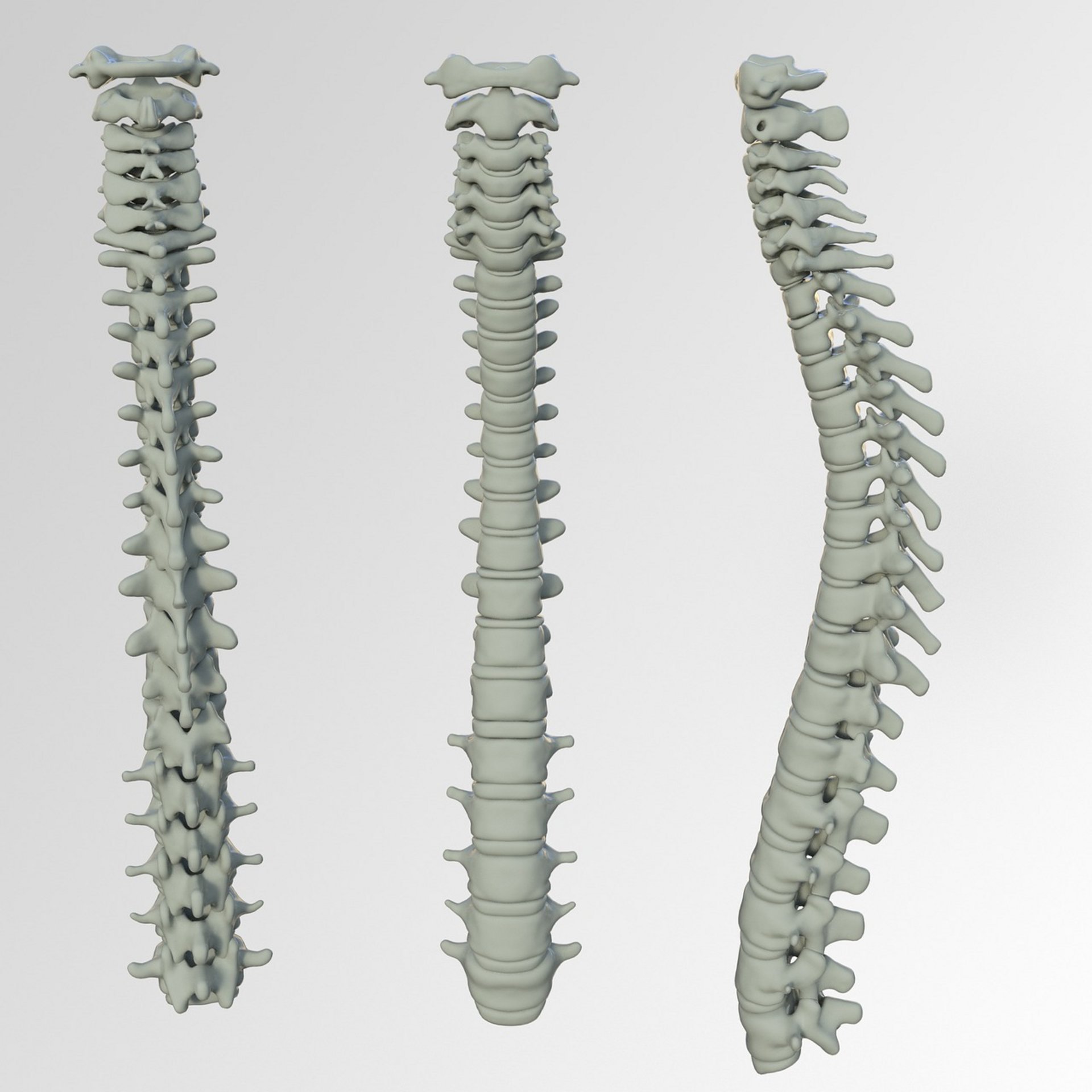
These are exercises that should be mixed in strategically. Not all everyday. Remember your back is large, but still need rest.
Keep form over weight. Training bad form by going heavy does not train good form. It invite an injury.
Perfecting form while going light can build what you desire. Imagine the muscle contracting. Feel yourself stretching against the resistance.
Be aware of the tension. If you respect the tension, your back will become thicker and wider. Don’t view this as moving weight around with a machine.
View the cable as a machine for building anatomy. This is how to develop a back. Use intentional tension and controlled repetitions.
