
So there you stand in the home gym aisle. You’ve got a plan. You have a modest amount of space.
You also have a limit on how much money you’re willing to spend. There before your eyes sits rows of round kettlebells (and cast-iron dumbbells), each making a claim to help you get stronger. But each asks something more of you: your patience and your body.
Use the wrong one and what was supposed to be a way to improve your health may instead turn into a burden. This isn’t just a question of weight but of exercise form. It all comes down to what “progress” means for you.
Kettlebells Versus Dumbbells Home Gym Guide
The Core Difference: Flow vs Precision
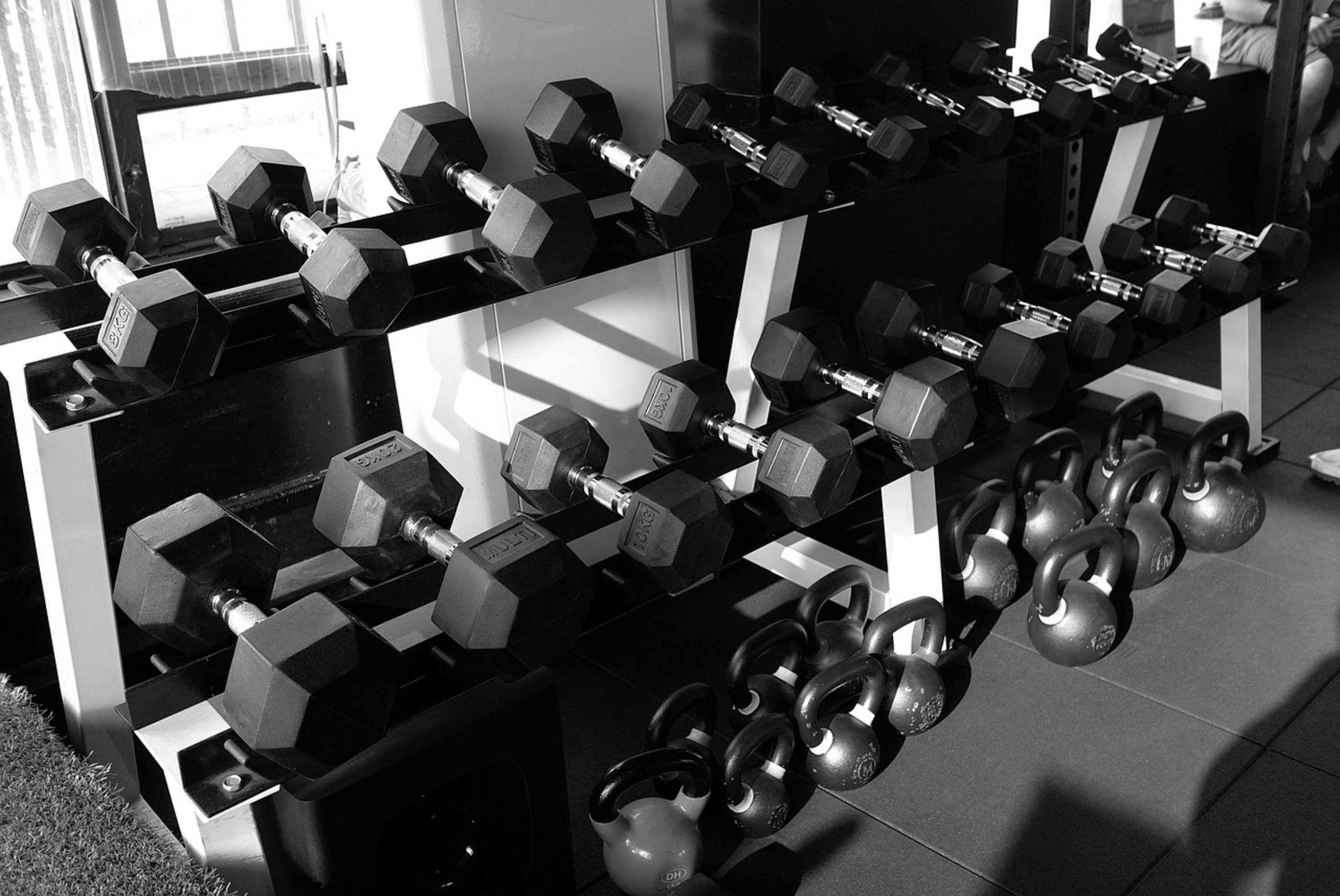
Kettlebell training force you to coordinate your whole body throughout space. It gives you flow. Dumbbell training provide you with precision.
You can isolate individual muscles with great accuracy. The former teaches your body how to move; the latter builds your machine. If you understand the difference, you’ll know not only when to purchase equipment but also how to train without ignoring your own requirements.
Dumbbells for Isolation and Stability
Consider first how a weight feels in your hands. With a dumbbell, the weight is symmetrical, with a plate on each side of center handle. You can pick up an equal amount of weights per arm simultaneously and they’re ideal for balanced lifts.
For isolated exercises to develop certain muscles (e.g., shoulders, bicep) dumbbells is a no brainer. Because the center of gravity remain constant, you have that predictability to lift heavy weights safely. It’s also safer for a beginner who needs to learn basics of their form instead of struggling against the unevenness of an unbalanced weight.
Kettlebells for Functional Strength
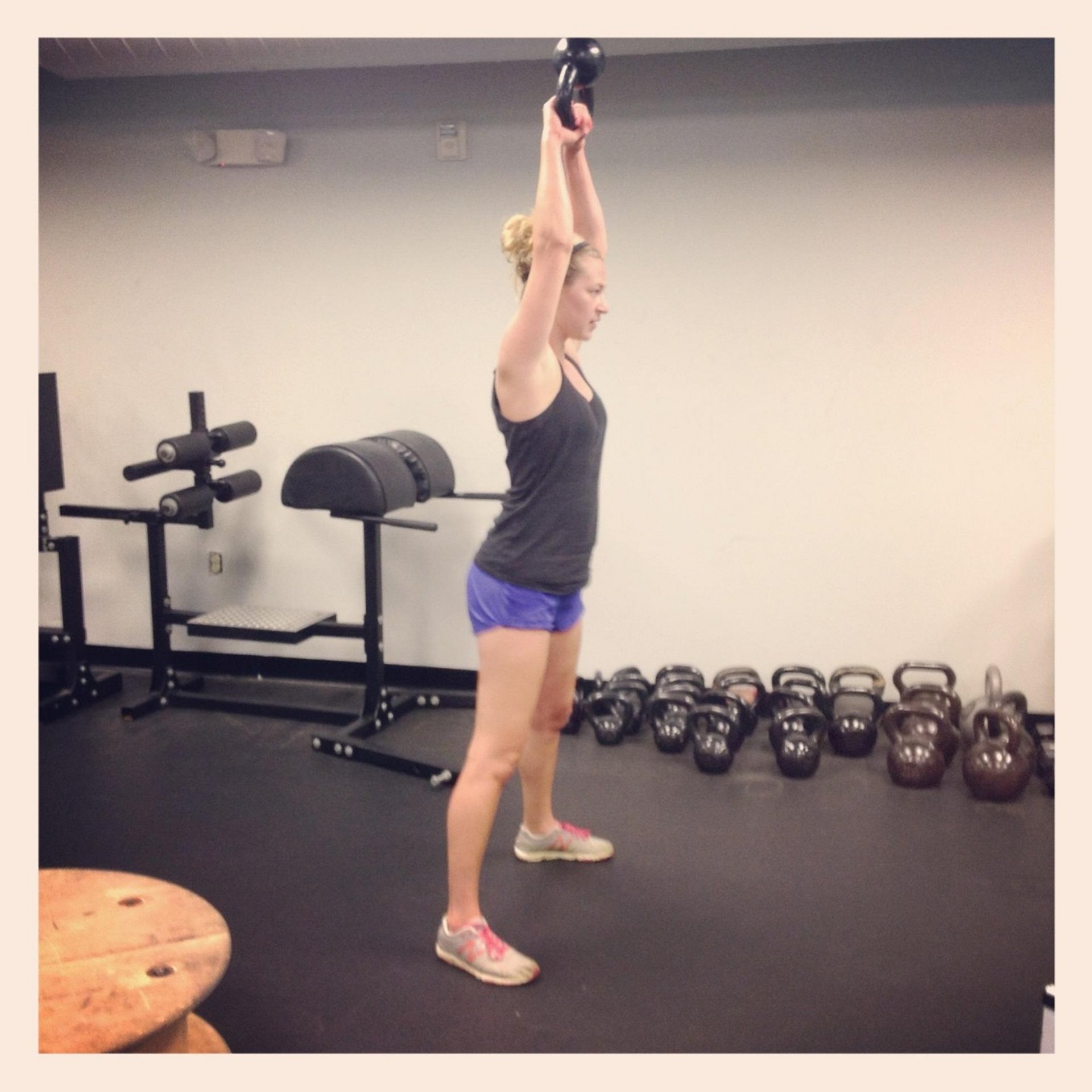
One thing kettlebells don’t do: they don’t keep the center of gravity consistent like dumbbells do. But kettlebells change your center of gravity from your hand to somewhere else. There’s an off-set mass beyond the handle (the horn), which makes them unstable and forces your body to constantly adjust to maintain stability.
It develops stabilizer muscle dumbbells tend to skip. You can’t perform a kettlebell swing with a dumbbell. It just doesn’t work well for that kind of movement.
Ballistic moves like swings, snatches and cleans requires the off-set weight to build momentum. And they teach you to use your hips as a hinge. This builds functional strength.
It also more closely mirrors how we move and lift things in the real world than static holds.
Space and Progression Efficiency
Think about how much room you have now (and will have in the future). An adjustable pair of dumbbells can replace an entire rack of weight.
An adjustable pair of dumbbells can be stored neatly and take up far less space. Dialing up or down by five pounds is simple with this system. That’s nice because that’s how you make linear progress over time.
Every week, increase the load slightly. With kettlebells, the extra weight makes a bigger difference per pound so you’ll likely want multiple bells to find the proper resistance. For example, going from 15 pounds to 20 pounds is a big jump.
You may have to purchase multiple bell just to get into the correct resistance sweet spot. This is not only more expensive upfront but it is also visually bulky. Dumbbells are more efficient if you’re short on space.
Targeted Muscle Burn vs Metabolic Conditioning
Consider what kind of tired you’re looking for. Often times when we think dumbbells, we’re thinking local. You’ll feel a burn in your arms and tightness in your chest.
That targeted muscle group are on fire. And that’s awesome if size is the objective.
When we consider kettlebells, we’re talking about the whole body.
You’ll get winded; your heart will race. Whole-body fatigue occur, and not only does it promote strength but endurance as well. Metabolic conditioning is where all those CrossFit boxes gets their kettlebells.
They burn calories post-workout. For those seeking cardiovascular fitness and fat loss, perhaps the bell is more effective tool. It does two jobs with one tool.
Choosing Based on Personal Preference
The ultimate decision, however, is based off your current movement habits. Are you a lifter? Then dumbbells will be comfortabley to you.
It translates immediately. Maybe you’re a dancer or martial artist. In that case, kettlebells might connect with you more.
The dynamic flows and rotational forces feel comfortly to you. And this isn’t one-size-fits-all. Both can help you get stronger, and both when done properly keep you from getting hurt.
The point is, do what you like. Do what you’ll continue doing. What do you really want to do in the morning?
Grab the kettlebell if you want to progress through a series of swings and presses. Grab the dumbbells if you want to just get on the floor and press weight above your head. Or do it all, as many functional gyms offer both.
Your home gym should too. The argument gets blown out of proportion. Choose the tool that leaves you itching to go: that’s the best piece of equipment.
