
You don’t need a garage (or a second mortgage) to create a home gym. When most folks envision “building” one, they picture a shiny steel room with lots of digital displays. But that is typicaly followed by buyer’s remorse and a serious case of the guilt trips each time you walk by your unused machine.
It doesn’t have to be complicated at all. With very little money, you can build a versatile gym capable of targeting all major muscle group, while still being relatively compact. This isn’t about looks; this is about building something functional; something you’ll actualy want to work out in.
It is not some showroom piece destined for visitors who will never lift a weight. Avoid the #1 beginner’s mistake, which is chasing versatility instead of mastering the basics. It can be tempting to purchase a fancy cable system or a multi station machine that will do it all.
But these tend to be the machines that does little well. Not only do they tend to take up too much space but they also fail to mimic movement patterns necessary to build real strength. Stick with the simple stuff.
Use bodyweight tools and free weights. These thing force you to stabilize yourself and use your core. It’s this engagement that leads to real fitness.
What you want are tool that challenge your coordination, not simply your muscles. This applies to any sort of home workout space, but I’ll use my living room as an example. Your floor is the bottom line here.
Essential Equipment for Building a Home Gym
Start with Flooring for Safety
A drop on concrete (like your basement) or tile (like your living room) will mess up your joints and wreck your nice equipment. You want some sort of shock absorbing layer between your equipment and the floor. This is where interlocking rubber flooring tiles comes into play.
They’re standard for a reason. High density rubber (brands like Rogue or Rubber-Cal) will provide a protective layer while absorbing impact from your weight. Don’t get the thick, heavy duty gym mats meant for commercial weight rooms.
Those are super overkill. The lighter duty rubber or foam tiles is significantly cheaper and more than enough for the occasional dropped dumbbell. Protecting your floor helps protect your investment.
Choose a Stable Squat Rack
The meat of any effective home gym is the next item: the squat rack. With the addition of a bar, this piece of equipment enable you to do pull ups, bench presses, overhead presses, and squats. When choosing a squat rack, you’re trading off stability for footprint.
A power rack is solid, but bulky. A half rack saves space and looks nicer at home but make sure it’s stable for what you want to do. Find one with good uprights and a decent weight capacity.
Popular budget friendly options include the Titan T3 or the Rep Fitness Rack which strike a good balance between price and durability. Avoid cutting corners on the rack itself. After all, it supports your heaviest lifts so stability trumps bells and whistles.
Select Quality Barbell and Plates
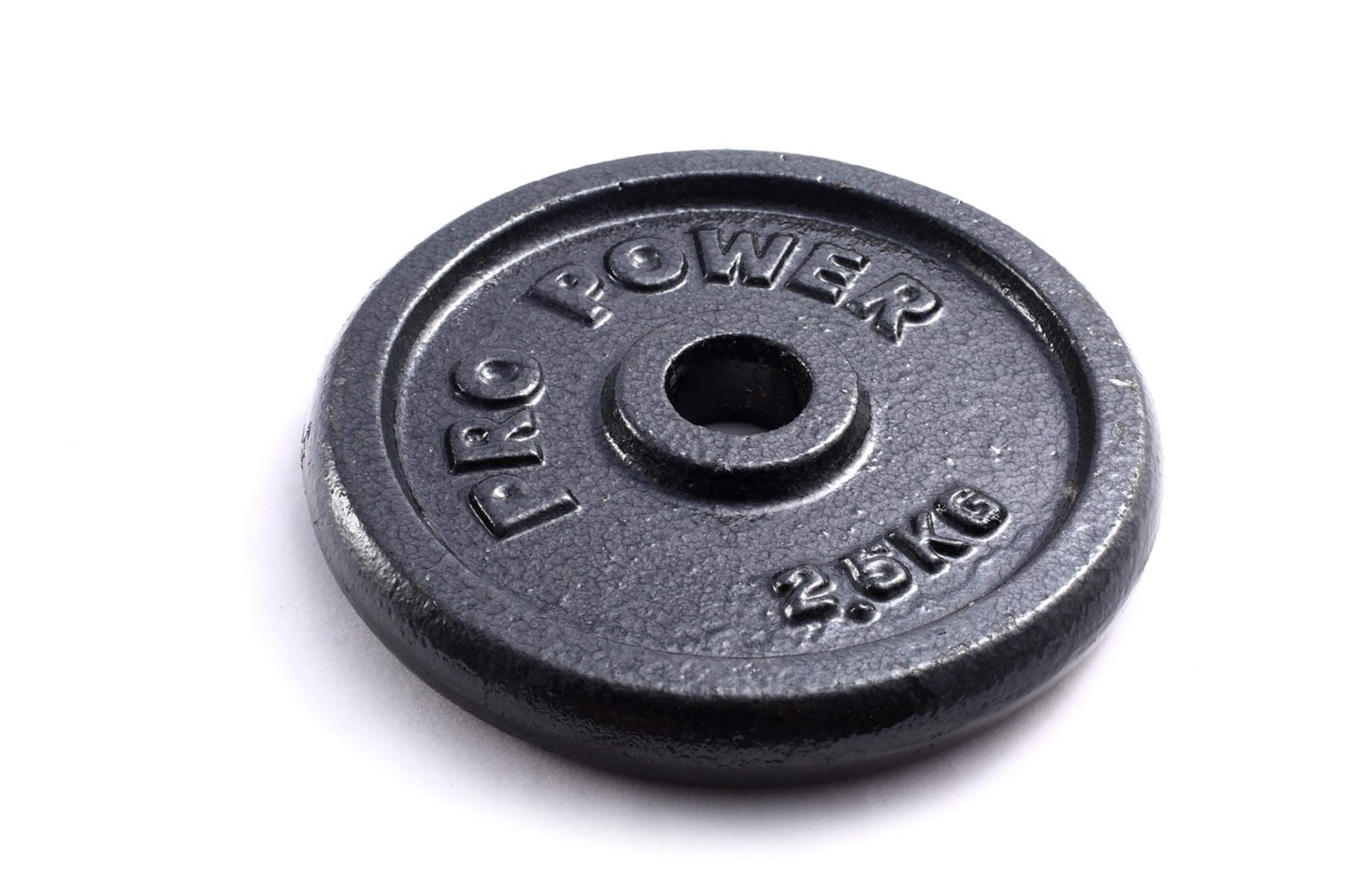
Rack: Now that you’ve got the rack, what about a barbell and plates? Invest in a decent Olympic barbell, they’ll last forever. Seek one with solid collar tension and a good knurling pattern.
The Rogue Ohio Bar sets the standard, but there are tons of inexpensive bars that will do everything you want at home. As far as plates go, begin with a pair of urethane or neoprene covered plates (quieter/don’t scratch the floor). If you want bumpers, get ‘em, but be prepared to pay.
Most non-Olympic weightlifters can get by fine with a combination of iron plates. Make sure you get ones with matching holes for your bar. Mixing barbells from different companies isn’t an issue here; compatibility matters.
Invest in a Durable Bench
The last key piece is a good bench. While most would assume any level surface will suffice, a purpose built bench provide support and flexibility. Adjusting the angle allow you to work your back, shoulders and various points on your chest.
Seek out a bench with durable construction and cushioned padding. Check out the Iron Genesis or Body-Solid benches which provides great construction at a lower cost than high end pro gear. Stay away from cheap benches with thin metal frame that flex and shake during use.
When pushing max effort, you’ll appreciate having something that doesn’t budge. Also keep comfort in mind. If possible, try out the cushion.
With this configuration, however, you have just about everything you could possibly need for your strength training. With these five pieces, you’ll be able to press, pull, push, leg-press, squat and bench. If you want some variety, pick up a pair of dumbbells down the road.
But don’t begin here. Begin with simplicity: the bar, plates, rack, bench and floor. Keeping things as simple as possible (while still keeping prices low) help minimize clutter while increasing effectiveness.
The simpler the equipment is to get to, the more likely you are to use it. Consistency beats complexity every time.
