
When you purchase a treadmill, you think you’re going to run on it. Then life happens and your routine shift. You envision yourself training for marathon or chasing personal bests, only to find out your morning are getting shorter and your knees is growing louder.
Suddenly, what was once an exercise tool turn into clothes rack, an extremely costly one loaded with guilt and dust. Walking is different. It’s forgiving.
It doesn’t require a two-hour recovery period. And when you finally find treadmill designed for walking, you use it differently. Instead of fighting the machine, you embrace it.
Key Features to Look for in Walking Treadmills
Why Walking Treadmills Are Different
There are far too many running machines out there that aren’t appropriate for casual walker. These machines is clunky, noisy, and too speedy to power walk comfortabley. If your intention is consistency and health, then you don’t want something pushing 20 mph.
You want a machine built specificaly for walking, something stable, cushy, and designed to accommodate more relaxed cadence. A quality walking machine isn’t about speed; it’s about comfort and durabilty. The initial red flags: excessive speed and motor power.
Motor Power and Torque Requirements
Machines runs by touting horsepower, and yes, three horsepower look great on paper. A sprinter’s ability to get the belt spinning really fast matter just as much. But what about a walker?
What you want is called torque, the force required to move the belt with your foot. A low, beefy motor won’t stutter under weight of a brisk walk. Aim for at least two and a half horsepower, and look for a continuous duty motor.
It’ll keep the machine cool and quiet and seem like a small amount, but it’s more than enough for walking.
Choosing the Right Belt Length
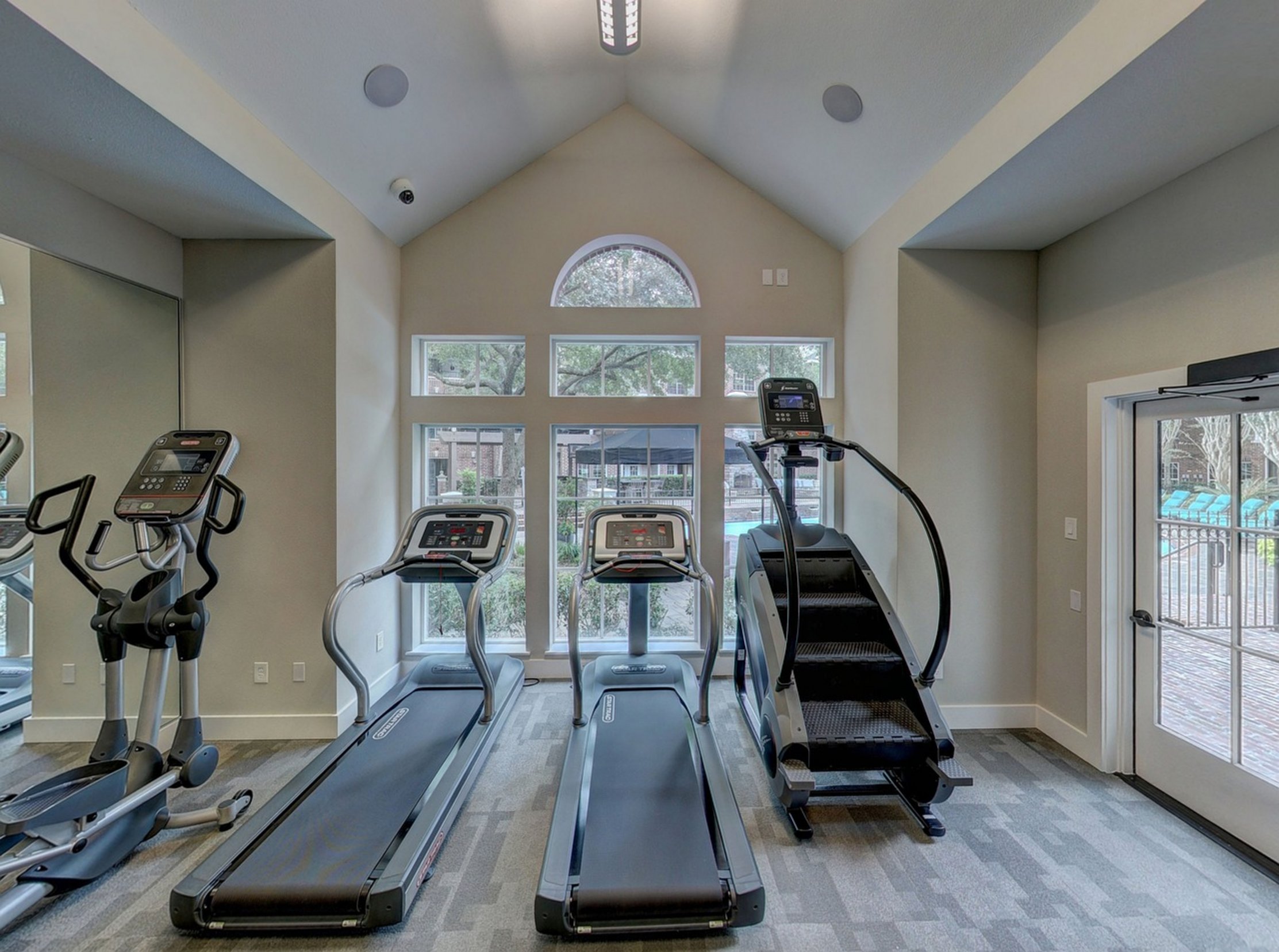
Most people buy way too much deck length (a very expensive error). Marketing materials urges you to get the big one with a fifty-five inch belt length to allow for long strides.
However, runners has longer strides then walkers, and walkers can walk just fine on a forty-two-inch belt. With such a short stride, you don’t need to take shorter steps; your body takes natural gait, and you are comfortablely moving at a normal pace. Longer length require more space, which means a bigger footprint in your living room.
It’s also heavier. Making it harder to move. You’ll appreciate how convenient a compact treadmill is for storing in closet or under a bed.
Who cares about a few more inches of rubber you’re not going to use?
Importance of Cushioning Technology
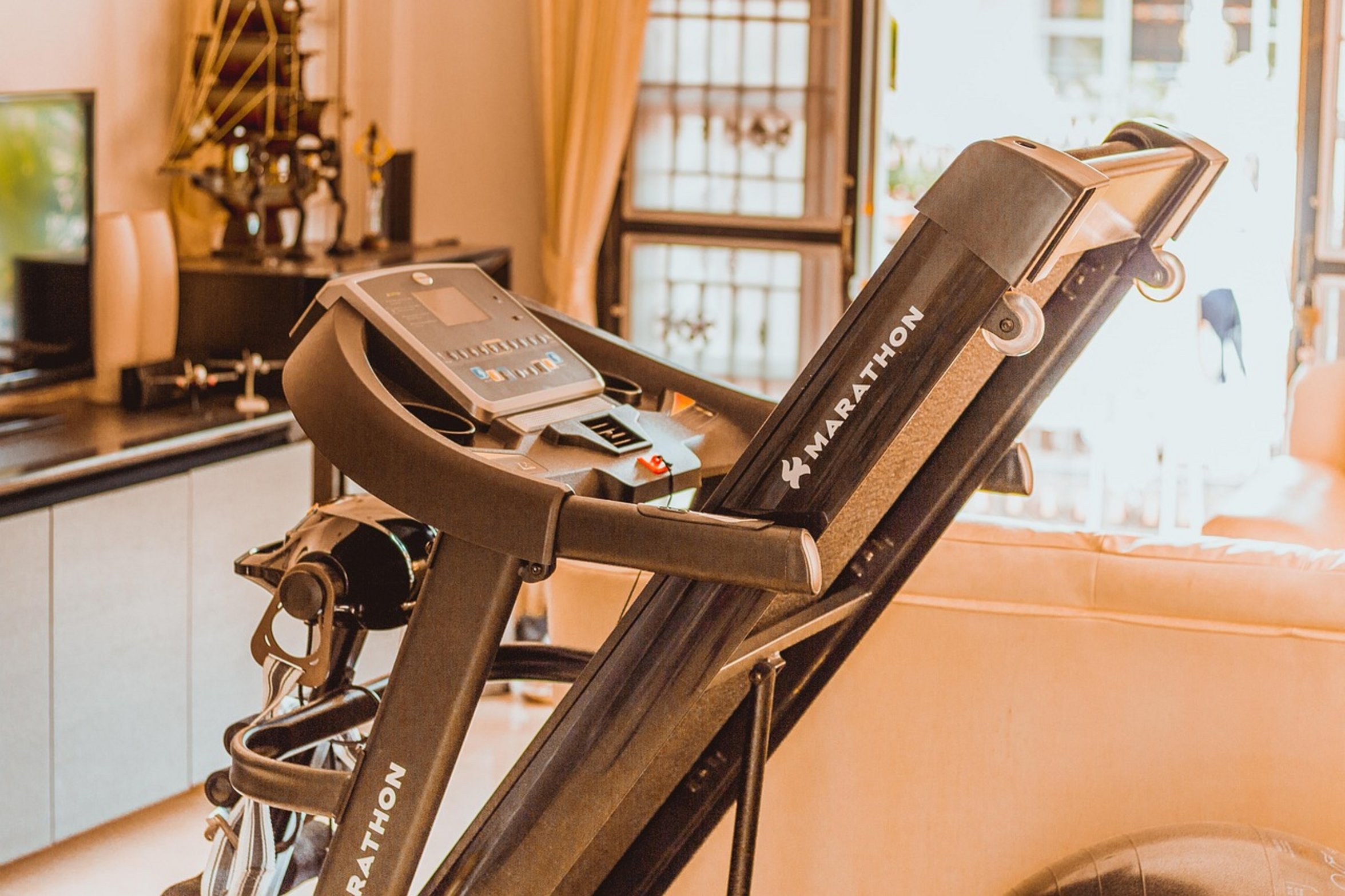
People often overlook cushioning technology. While there isn’t as much impact from walking as there is from running (though it do add up over time), good cushioning will absorbs the shock of movement and help protect joints.
The other thing about walking is that while it generate less impact, it’s still repetitive and those step add up over the years. A cushy deck feels solid but not concrete hard and has a little give under foot, which is what you’re after. Brands such as Sole Fitness and NordicTrack design walking machines with an adjustable cushioning system.
This let you dial it back if you prefer a firmer feeling deck or add cushion if you need more. Not only does this make the machine last longer but also allow it to adjust as you do.
Benefits of Incline Features
The incline adds intensity without adding speed.
You can walk on flat ground, which works fine; however, it’s easy to plateau. Throw in a two or three percent grade to engage your hamstrings and glutes deeper. You will also work with the same kind of terrain that you would find outdoors.
This will raise your heart rate without making you think you’re sprinting on mill. Most new walking treadmills has an option for either motorized incline or manual incline. The motorized inclines are nice if you want to do some intervals, but they often is less reliable as there are more motors that can go out.
Manual inclines tend to be more reliable, but both work great. Just make sure you have the option to change up your workouts.
Simplicity of Console Design
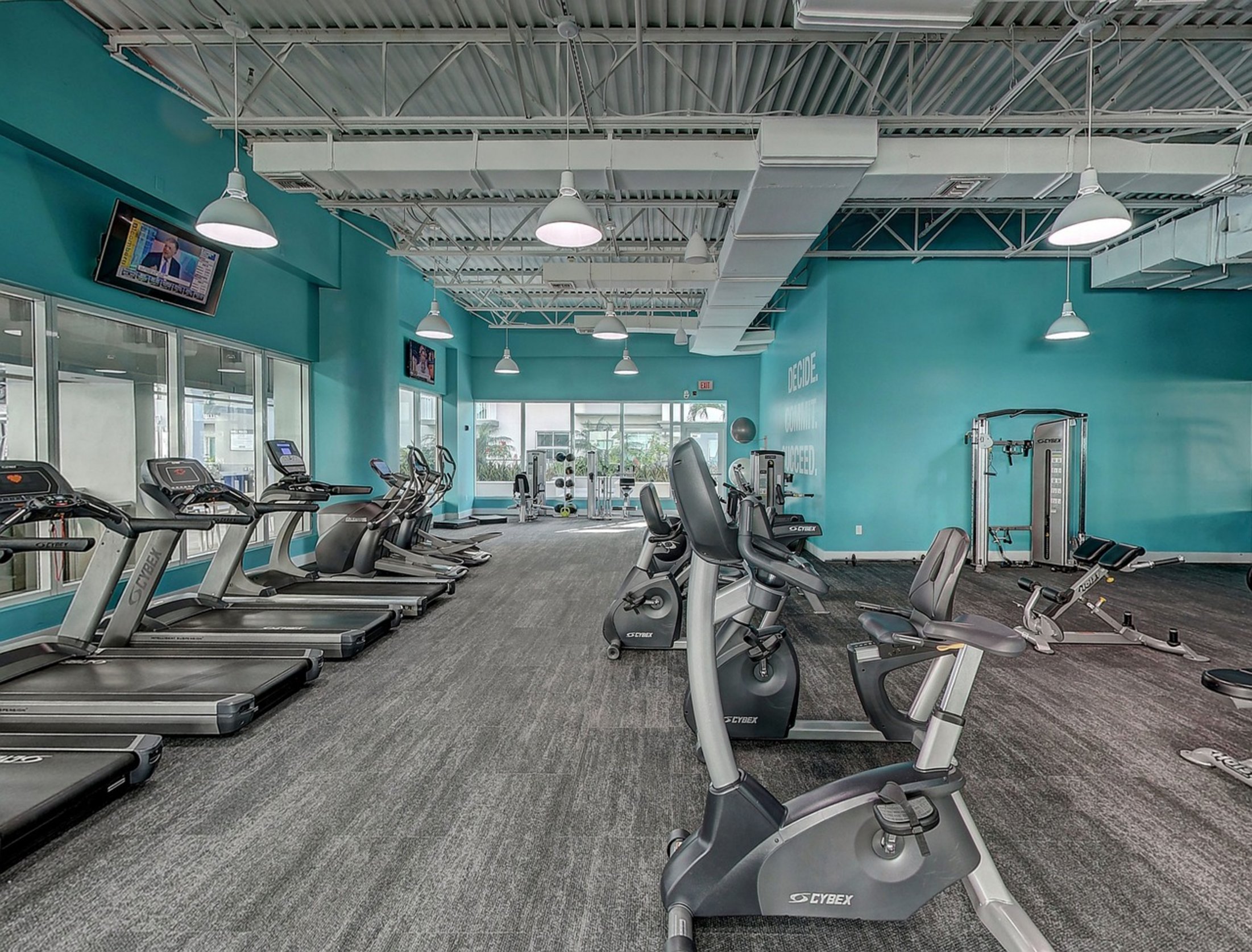
Finally, there’s the console.
You don’t need a giant touchscreen spitting out classes for you to stream, but you want something clear. The bigger the button, the better, while small touch icons won’t cut it. A clean display with distance, speed and time is all you need.
Complicated interfaces create points of friction. If it take you three menus just to bump up your speed, you’re far less likely to be using this thing. Simpler is better and the more hands-off the machine, the more often you’ll use it…
Daily. The perfect treadmill is about the rejection of things you don’t want. It’s about simplicity, functionality, and being comfortable.
And if you take away all the sprinting bells and whistles, it leaves us with something obvious: You’re buying a machine suited for your lifestyle rather than a machine trying to alter it. You should of looked for one that fits better.
