
Homeowners don’t like it when they drop a clean bar on their garage floor. They hear it. They feel it rumbling down through their foundation.
It will crack concrete. It will also wreck a nice, pricey Olympic barbell. You love lifting heavy weight.
Your equipment matter. So do your neighbors. Keeping everyone happy mean keeping things intact.
Choosing The Best Flooring For Heavy Lifting
Why Garage Flooring Matters

The floor between you and all that potential damage matters more than the rack itself. When buying rubber mats, most of us just do what everyone else does: we pick up whatever is cheapest from a big box store and cross our fingers hoping for the best. If you begin to lift with any amount of effort (i.e., anywhere close to your one rep max), you’ll see why this doesn’t work naturaly.
You want something that’s going to hold its shape under pressure. It should resists wear and absorb impact. The proper material will not only save your home, but also your investment.
Benefits of High Density Rubber
If you’re serious about lifting, go with high density rubber. Rogue Fitness sells third-degree floor mats… They won’t budge if you drop a weight onto them.
They don’t get permanently compressed by heavy weights either; they’re solid. When you press or squat, this make a difference. If the floor shift, so will your form.
You want to keep your spine in line and your feet planted. Cheap foam lets small slip occur which isn’t good when you’re trying to build strength. Mat thickness matter.
Choosing the Right Mat Thickness
At minimum, you want two inches of mat if you’re doing heavy lifting. A thin mat may be cheaper in the short term, but a slamming plate will prove it’s not thick enough. With thinner rubber, force transfers straight to your subfloor.
Thick rubber serves as a buffer to absorb energy and protect your joints. That’s part of the reason why many garage gyms uses four-inch rubber tiles. More thickness mean it is more durable and provides better joint protection when performing lifts like snatches and cleans.
The downsides are that thicker rolls is difficult to transport and take up space. Interlocking foam tiles (available in several colors) are popular for areas like light bodyweight work/cardio zones. They suck for barbell work.
Why Foam Tiles Fail for Heavy Lifting
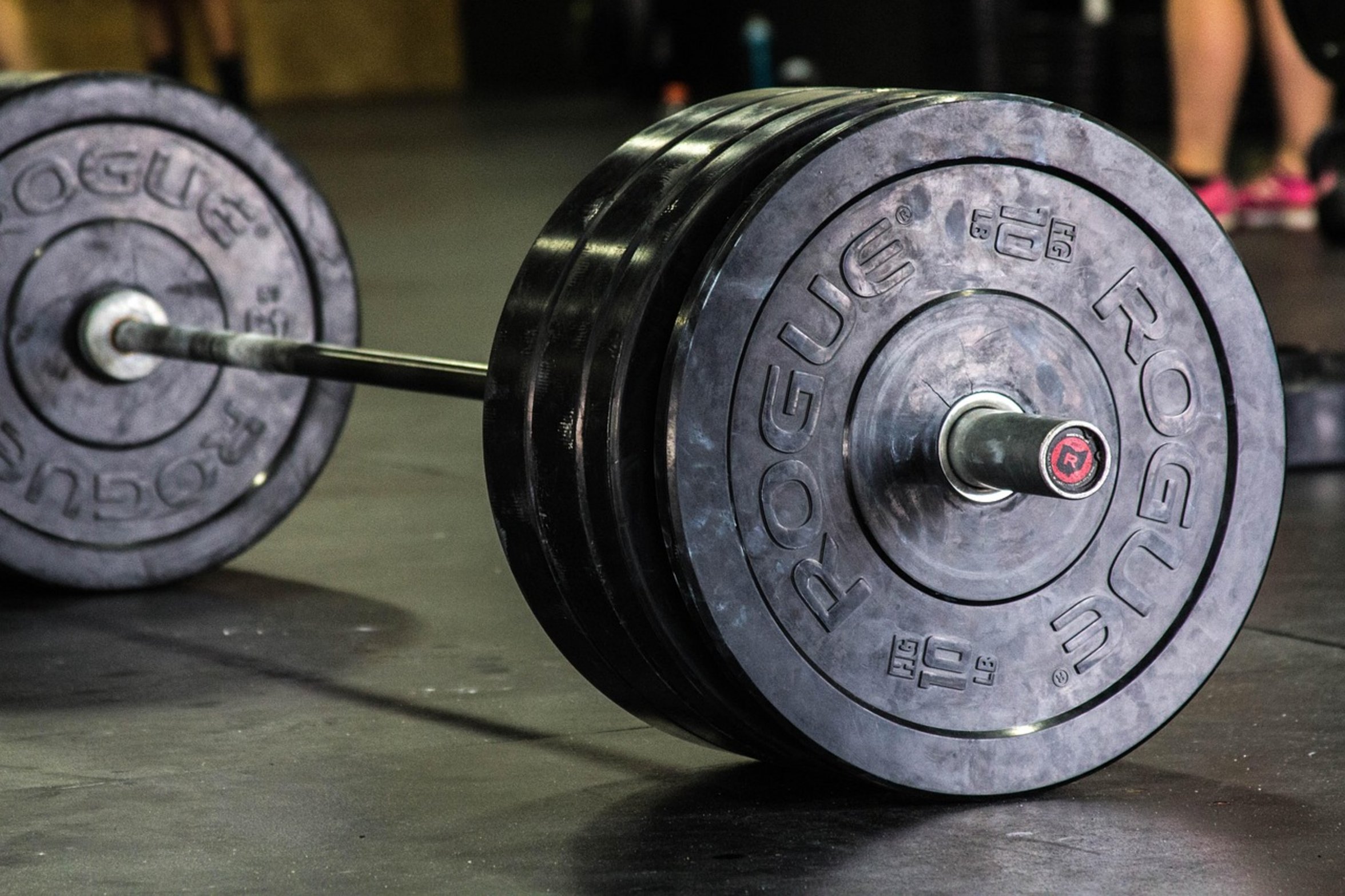
Your feet sinks into them. The foam compress far too much. You lose leverage.
If you drop a barbell on foam, you’ll have a permanent indent; and it could even cut through the material. Don’t put foam down when the iron hit the ground. Reserve that for the stretch area/yoga corner.
That’s where it has its place. But don’t mistake it for heavy-duty flooring. The surface finish of the rubber matters.
The Importance of Textured Surfaces
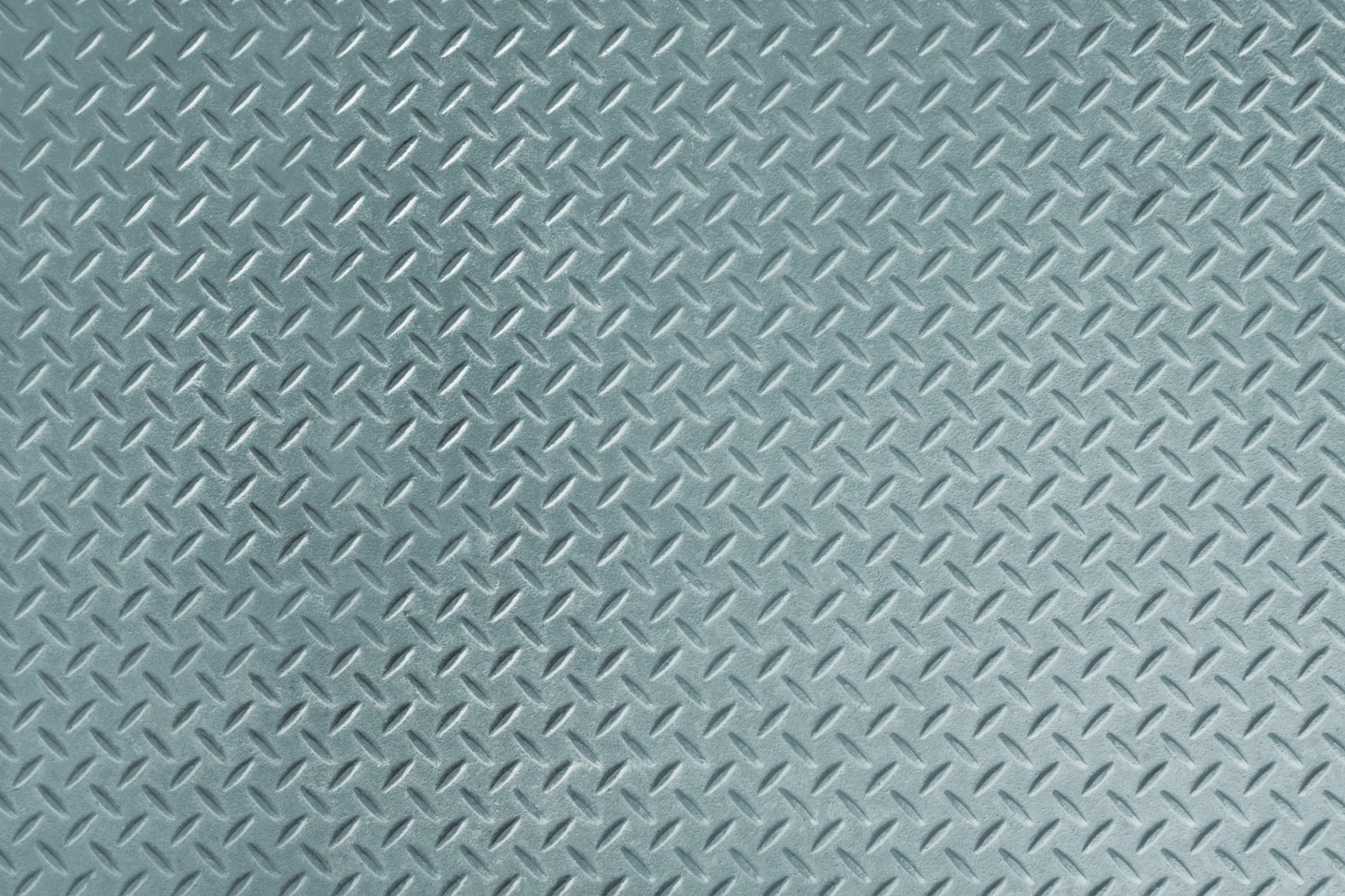
A smooth surface might sound nice until you get sweaty and it gets slick. The better option is textured to give you something to grab ahold of. That way your feet stays in place throughout the dynamic moves.
Seek out the ones that have a patterned top layer. That way you’ll still have the soft feel underfoot while adding some traction through texture. It’s little details like this that makes all the difference in confidence.
Trust your footing and you’ll lift harder. Don’t worry about slipping and focus more on the weight. The other consideration is upkeep and cleaning.
Maintenance and Cleaning Tips
Rubber floors accumulate dead skin cells, dust, etc., and they also turn chalky. Sweep them often. Mild soap and a quick mop are fine, but stay away from harsh chemicals which will break down the rubber.
The better quality mats; like those by Rep Fitness or Titan Fitness (is made to hold up). They don’t crack, tear, etc. Budget mats falls apart eventually and leave crumbs everywhere. Those crumbs end up in your shoes, and having a gym that feels dirty realy sucks.
A nice floor will remain cleaner for longer. For best performance always install the mats properly. Rubber is going to expand and contract with temperature fluctuations so you want to leave an expansion gap all around the edges.
Proper Installation Techniques
Otherwise, the mats can buckles. Lock them down after they are laid out flat on the floor for a day. Why?
It let them settle into place and keeps them from building ridges as they lock into one another. Those ridges catches your feet and become a trip hazard. You only get one chance to do it right and it really does pay off in both appearance and safety.
So take your time installing them. The floor of your gym is where it all happens. It is the one that holds up to your sweat and holds your efforts in check.
Forget about cost and think about quality, go thick and dense. Respect your home and yourself by protecting your joints and your bars. Lift with intent on a good base and let them feel it, just as your neighbors will.
You should of chose thicker rubber if you want it to last. It is more better than foam.
