
The thought of buying a exercise bike for your house is difficult task. It’s a significant investment, in space, in upkeep, and most importantly, in your own usage. Chances are you purchased one as a way to get out of going to the gym.
You envision yourself sipping some hot joe while riding through a storm. In reality? That thing sits there collecting dust in the corner.
That thing sits there collecting dust in garage. Matching your bike with how you live is what generally tells the difference between success and failure. This isn’t always the lowest price available.
This is about understanding who you are as a rider. If you’re looking for realism, maybe a trainer that has variable resistance like road bike will work best for you? Maybe you really want a silent grinding feel from a magnetic flywheel?
Maybe you don’t care about any of that, but want something heavy duty enough so you can sit on it watching TV? Figuring out now would of save you money, and also your own motivation later.
How To Choose The Right Home Exercise Bike
Upright Bikes for Recreation
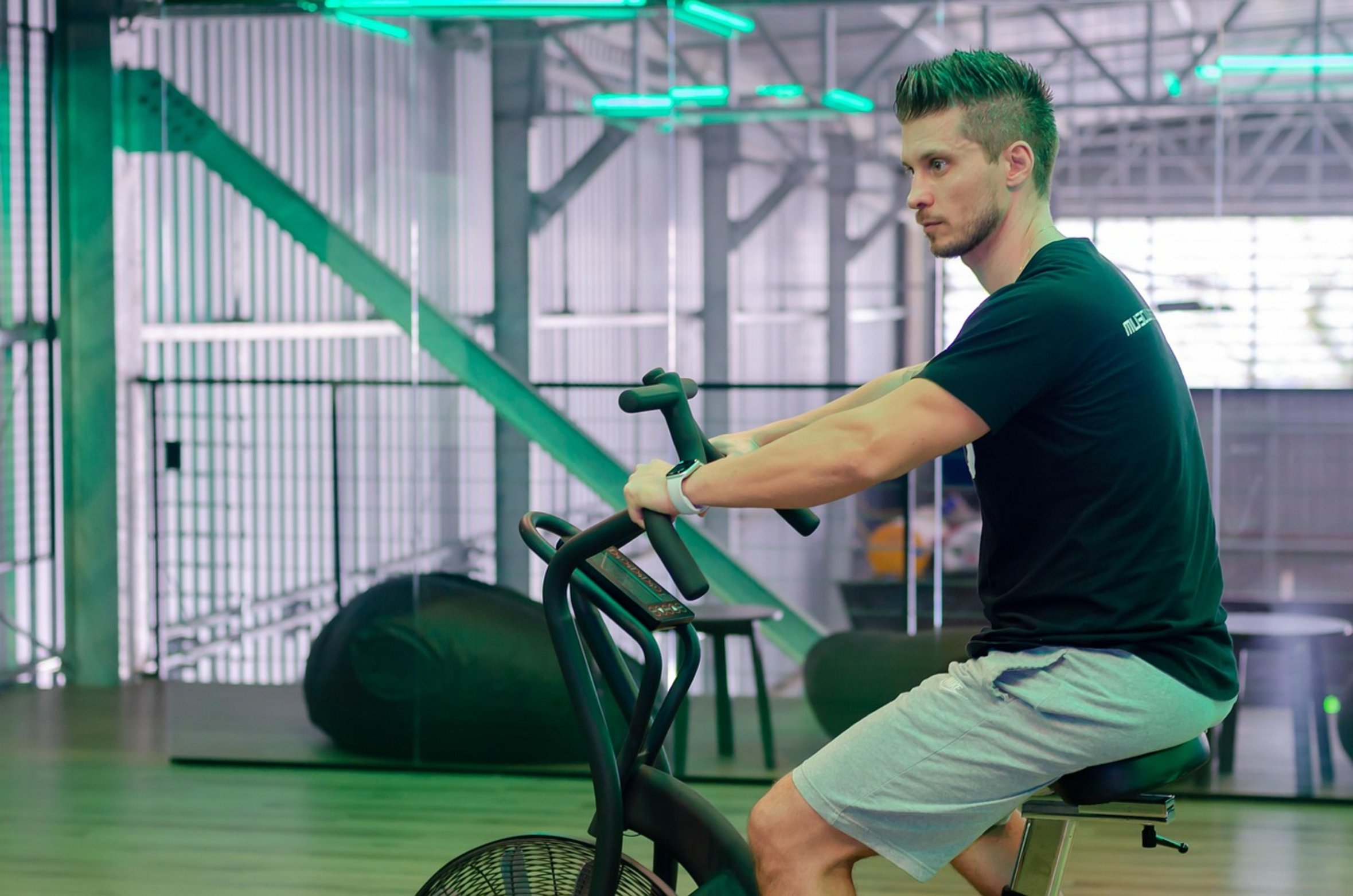
For recreational cyclists, upright bikes is the easiest place to start.
These resemble a normal bike minus front wheel. The obvious choice in this category is the Peloton Bike. A mix of software and steel, it’s designed to keep people coming back to the class, even if they has to pay for the service.
Classes are lively; the screen is crisp. But over time the subscription gets expensive. For those who want to use their own streaming apps (Apple Fitness+ or Zwift, for example), there’s no need for the proprietary system.
Schwinn 270 is a good compromise, providing dependable use but without the monthly bill. It’s just a bike, which does one thing (but it do that thing very well).
Spin Bikes for High Intensity
If you want intensity, indoor cycling spin bikes are your thing.
They’re designed to be aggressive, heavy-duty machines. The Echelon EX-5 Connect fits right into that camp. It’s got a big old dial of magnetic resistance so you can make fast adjustments on the fly for interval work.
When you stand on the pedals for a sprint or jump out of the saddle for a climb, seat height adjusts smoothly, and that makes a difference. And its flywheel is hefty, providing a sense of real momentum. Expect to work for it.
This isn’t a passively sedentary experience.
Recumbent Bikes for Comfort
Comfort becomes the primary factor when considering recumbent bikes. With this machine, you have a back-supporting bucket seat.
A favorite among these bike is the Exerpeutic EF-400. Your legs go in front of you instead of beneath you. This greatly decreases pressure on both your knees and lower back.
This makes them a great option for those with injuries or seniors. Downsides? Space.
Because they’re designed differently, recumbent bikes requires more floor space and are wider. You’ll give up that aggressive riding stance, but you’ll get something lasting out of it.
Smart Bike Connectivity Features
While connectivity makes the bike smarter, it also complicates things.
Today’s bikes has lots of fancy sensors built-in via Bluetooth ANT+. That means automatic tracking of things like cadence and speed on your smartphone/tablet. For instance, the NordicTrack Commercial S22i have an interactive screen, which even lets you adjust incline and decline.
And I’ll say, it automates well. When you go uphill, the screen leans forwards to mimic hills. However, advanced electronics are complicated.
If your $1,000 bike require a working touchscreen to function, then a cracked screen can make the entire bike worthless. In the end, simple tends to be more reliable.
Magnetic vs Friction Resistance
The ride feels different depending on the resistance type.
It is smooth and quiet. The smoothest resistance come from magnetic. A magnet applies force to the flywheel creating drag.
Feels like nothing. It is noisy and needs maintenance. Friction pads presses against the wheel.
Friction pads wear out and must be replaced occasionally. Magnetic systems lasts longer and need less upkeep. Choose magnetic if you don’t want to maintain it or live in an apartment with paper-thin walls.
Your neighbors will thank you if you choose magnetic. It is cheaper up front but demands attention. They don’t make ’em like they used to
Home Gym Space Planning
People underestimate how important footprint is.
Purchase bikes with care. Measure your room first. Some are narrow, some long.
The Horizon Fitness Cycle 2 fits into a small hallway easily (even folded back slightly to tuck out of sight). For a larger spinning bike, set aside a corner for it. Squeezing this thing into a tight spot will result in tripping all day long.
You’ll get frustrated and abandon it. Let the machine breathe.
Assembly and Maintenance Tips
Building out the bike is also part of the experience.
They come in big boxes and most are made of lots of little pieces. The directions aren’t always clear. Having someone else to help is invaluable.
Don’t overtighten any bolts at first. Let it ride and adjust accordingly. There is nothing worse than a wobbly handlebar or seat that will ruin it right off the bat.
Go slow on setup. This will set the tone for your cycling routine. It is the truth.
Honesty matters when choosing an exercise bike. How much do you have in your budget? How much room do you have?
Are you disciplined enough to make this thing work? Don’t purchase a high-end smart bike if you’re only going to ride it 20 minutes per week. Don’t purchase a cheap friction bike if you want a silent environment.
Purchase the bike that fits into your lifestyle, not the one you wish you had. And then use it.
